Astral projections: out of body and return — step-by-step practice
What is astral projection and why is the return needed in it
Astral projections out of body and return is one of those practices that some speak of with reverence, others with irony, and still others simply fall silent, because they once found themselves in a strange state on the edge of sleep and did not know what to do with it. We are not going to pretend that this is obvious. Let's figure it out calmly and in order.
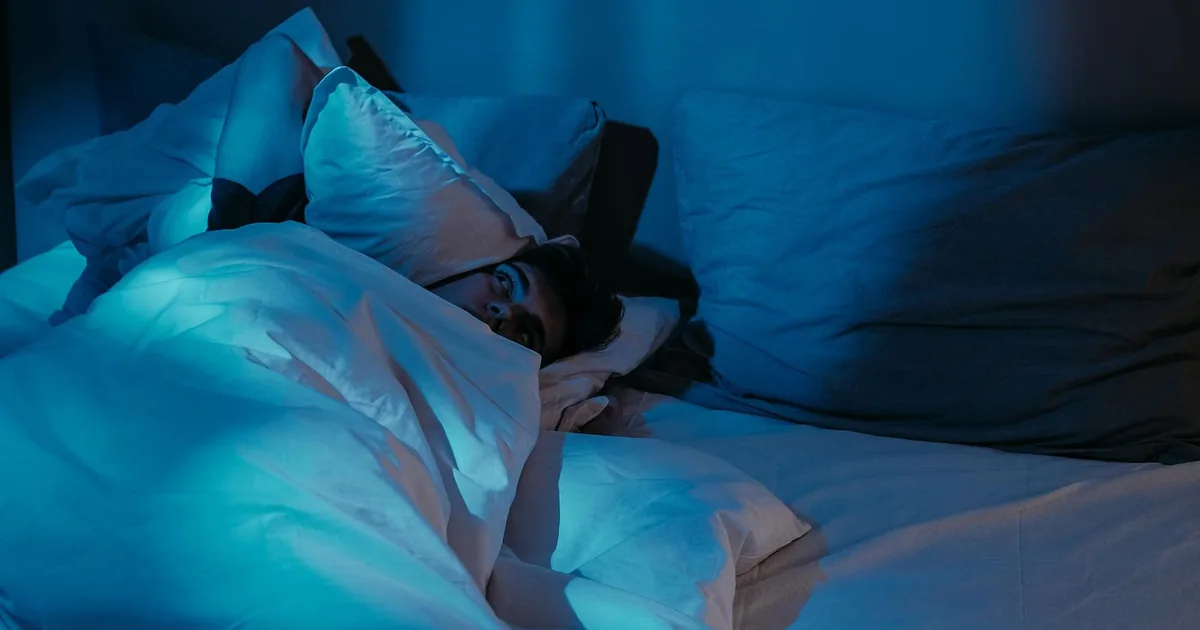
In the esoteric tradition, it is believed that the physical body is not the whole system. Besides it, there exists an astral body: a subtle energetic structure that can temporarily move away from the physical shell. When this happens consciously, we speak of astral projection. But here is what is important: the return is no less significant a part of the practice than the exit itself. Leaving is easy. Returning is a skill that needs to be trained.
Many beginners, learning about astral projections out of body and return, start their practice from a blank slate: they lie down, try to "fly out," and after half an hour get up in disappointment. The problem is not a lack of ability. The problem is that astral exit practice preparation is a whole set of actions, not one magical movement. Without preparation of the body and attention, an attempt to leave the body is like trying to run a marathon without a warm-up.
In this article we will break everything down: what astral projections practice for beginners is, how to do an out of body exit safely, what stages of exit exist, and most importantly — how to return to the body after the astral. No scaremongering, no grandiosity, with concrete steps.
Myths about astral projection: what is true and what is fiction
Before moving on to practice, it is worth sorting out what gets in the way. And what usually gets in the way are myths. There are many of them, and each one drains energy and confidence from the practitioner. Let's look at the most common ones — and break them apart.
| Common myth | Why it is not so | How it actually is |
|---|---|---|
| "You cannot return from the body" | This is fear, not fact. The return happens automatically with intention | The return is a skill. Intention + relaxation = returning to the body |
| "Astral projection is dangerous for the psyche" | There is no evidence of harm during conscious practice | Danger only comes when attempting to practice under stress, fatigue, or without understanding |
| "Leaving the body is only for the chosen ones" | This is not a gift but a skill that is trained | Like meditation: everyone has the ability, everyone has a different learning speed |
| "After leaving the body you can lose connection with reality" | There is not a single verified case of losing connection | The body always knows where it is. The return happens by intention |
As you can see, out of body safe practice is not empty words. When you understand exactly what is happening, fear recedes. And without fear, practice goes much easier. This is the general principle of esotericism: mindfulness is the main tool, not magic.
Preparation for astral exit: physical body and attention
So, you have decided to try. The first thing to understand: astral exit practice preparation is not a formality but the foundation. Without it, an attempt to leave the body on the edge of sleep will be like trying to catch a fish with your bare hands — you might get lucky, but probably not.
Preparation includes three levels:
- Physical body. 2-3 hours before practice — a light dinner, no caffeine. The body should be relaxed but not sleepy. The ideal state: tiredness after the day, but not exhaustion.
- Attention. This is the main tool. Attention is what holds you in the body. To leave, you need to release the grip of attention. For this — meditation practice. If you have never meditated, start with 10 minutes a day a week before the attempt.
- Energetic state. Before practice — cleansing the space. Open a window, air the room, remove unnecessary objects. Energy should flow freely.
Here it is important to understand: astral projections stages of exit are not a linear process but rather a wave. You can pass through several stages in a minute, or you can get stuck on one for ten minutes. This is normal. Don't rush.
Another important point: astral projections out of body stages are described differently in different traditions. In Western esotericism, four main stages are usually distinguished, in Eastern — seven. We will follow the Western model because it is simpler and clearer for beginners.
| Stage | What happens | What the practitioner feels | What to do |
|---|---|---|---|
| 1. Relaxation | The physical body transitions into a state of rest | Heaviness in the limbs, warmth, tingling | Do not resist, breathe evenly |
| 2. Vibrations | The energetic body begins to "peel away" | A hum in the body, vibrations, a feeling of lightness | Stay calm, observe |
| 3. Separation | The astral body separates from the physical | A feeling of "floating," seeing the body from the outside | Focus on intention |
| 4. Free movement | Complete freedom of movement in the astral | Vividness of perception, a feeling of reality | Act consciously, do not give in to emotions |
Step-by-step technique for exiting to the astral on the edge of sleep
Now — specifics. Exit to the astral step-by-step technique is what you are looking for. We will describe a method that works for most beginners: out of body technique on the edge of sleep. This is the most accessible method, because it requires neither special equipment nor long meditation.
Step 1: Position and relaxation. Lie on your back, arms along your body, palms up. Close your eyes. Begin to slowly relax each part of your body — from your toes to the crown of your head. This is called progressive muscle relaxation. Spend 10-15 minutes on this. Do not skip any part of the body.
Step 2: Transition to the edge of sleep. When the body is relaxed, begin to observe your breathing. Do not control it — just notice it. After 5-10 minutes you will feel the body beginning to "go to sleep." This is that very edge of sleep that all practitioners talk about. It is here that astral projection exit and return occurs: if you hold your attention, you will remain conscious while the body goes to sleep.
Step 3: Recognizing vibrations. When the body begins to fall asleep, you may feel vibrations — a hum, tingling, a feeling that the body is "shaking." This is normal. This is not a symptom of illness but a sign that the energetic body is beginning to move away. How to return to the body after the astral — we will cover later, but for now — do not be afraid of the vibrations. Just observe them.
Step 4: Separation. When the vibrations intensify, try to mentally "push" yourself out of the body. Some practitioners use an image: imagine you are lying in a coffin and trying to get up. Others imagine that the body is a cocoon you need to break out of. Choose the image that resonates with you.
Step 5: Mindfulness in the astral. After separation — do not panic. The first thing to do is mindfulness. Ask yourself: "Am I conscious? Do I know what is happening?" If the answer is yes — you are in the astral. If not — you are most likely simply having a dream. Astral out of body and mindfulness are two pillars without which the practice is meaningless.
How to return to the body after the astral: return technique
Now — the most important thing for many beginners: how to return to the body after the astral. It is not scary. It is not painful. It is not "lost forever." The return is a skill, and it is trained just like the exit.
First, the return happens automatically if you intend to return. Just think: "I want to return to the body." This sounds too simple, but that is exactly how it works. The body is your home. It always knows where you are and is always waiting for you.
Second, if the automatic return did not work (which happens rarely), there is a concrete return technique:
- Intention. Mentally say: "I am returning to the body." Say this with confidence, not with panic.
- Return image. Visualize your body. Imagine how you are "pulled" into it. Some practitioners use the image of a beacon: the body is a beacon that draws you back.
- Movement. Some practitioners return by making a "jump" into the body. Others by "flowing" into it. Choose what works for you.
Here is a table that will help compare two approaches to the return:
| Approach | When to use | How it works | Result |
|---|---|---|---|
| Automatic return | When you are confident in your intention | The body draws you by intention | Gentle awakening, a feeling of lightness |
| Manual return | When the automatic one did not work | Concrete technique: intention + image + movement | Controlled return, a feeling of control |
And one more important point: astral projection exit and return are not one-time events. Every time you return, you strengthen the connection with your body. It is like training muscles: the more you practice, the easier the return.
Astral projections: complete guide for beginners
If you are just starting out, you need a complete guide, not scattered tips. Let's put everything together into a single working plan.
Week 1: Foundations. Start with meditation. 10 minutes a day. The goal is to learn to hold attention without tension. This is the foundation on which astral projection step by step is built. Without meditation, leaving the body will be random rather than controlled.
Week 2: Observing states. Start noticing what happens to the body before sleep. What sensations appear? When does the body begin to "go to sleep"? This is out of body while awake practice — not in the sense of "awake with open eyes," but in the sense of "consciously, with an understanding of what is happening."
Week 3: First attempt. Follow all the preparation rules. Lie down. Relax. Observe. When vibrations appear — do not resist. When the body begins to "go to sleep" — hold your attention. How to do an out of body exit — we already described step by step above, so here just a reminder: don't rush.
Week 4: Consolidation. After the first attempt — don't stop. Practice every 2-3 days. Write everything down in a journal: what you felt, what you saw, when separation occurred. Astral projections out of body video — if you want to visualize the process, watch recordings of practitioners, but do not replace your own experience with them.
An important nuance: astral projections complete guide is not only technique but also an understanding of why you are doing this. If the goal is "to see what's out there," you will get a random experience. If the goal is mindfulness, self-knowledge, expanding perception — you will get a tool that works.
Here it is appropriate to recall that esotericism is not only about leaving the body. There are many other tools of self-knowledge. For example, dream interpretation helps you understand what your subconscious is trying to tell you, while the astrology section shows how celestial influences manifest in character. Astral projection is one of the tools, but not the only one.
Common beginner mistakes when leaving the body
Even with the correct technique, beginners make mistakes that hinder practice. Let's look at the most common ones — and understand how to avoid them.
Mistake 1: Attempting on a heavy day. If you are tired, tense, or ill — do not practice. Astral projections out of body stages require energy and attention. On a heavy day the body is already overloaded, and an attempt to leave it will only increase fatigue. Practice on calm days when you have resources.
Mistake 2: Panic during vibrations. This is the most common mistake. The beginner feels vibrations, thinks "something is wrong," and the return happens before separation. Vibrations are normal. This is not a symptom of illness but a sign that the energetic body is beginning to move away. How to return to the body after the astral — we already covered this, but for now — just observe the vibrations without panicking.
Mistake 3: Expecting a specific result. Many beginners expect astral projection to be like in the movies: vivid, clear, with "traveling through the universe." In reality, the first experiences are often dim, unclear, with a feeling that "something happened, but it's not clear what." This is normal. Astral projections out of body stages are a process, not an event.
Mistake 4: Ignoring the return. Some beginners get so caught up in the exit that they forget about the return. This is a mistake. Out of body and return to the body are two interconnected processes. If you do not train the return, you risk experiencing unpleasant sensations upon waking: heaviness, disorientation, anxiety.
Here is a table that will help compare mistakes and correct approaches:
| Mistake | What happens | Correct approach |
|---|---|---|
| Practicing on a heavy day | Fatigue intensifies, practice does not work | Practice on calm days when you have resources |
| Panic during vibrations | The return happens before separation | Observe the vibrations without fear |
| Expecting a specific result | Disappointment, abandoning the practice | Accept any experience, even if it is unclear |
| Ignoring the return | Heaviness, disorientation upon waking | Train the return just as much as the exit |
Another important mistake that few people talk about: astral out of body and mindfulness are not the same thing. You can leave the body and be unconscious — then it is simply a dream. You can stay in the body and be conscious — then it is meditation. The practice only makes sense when you are conscious. If after the exit you cannot answer the question "Am I conscious?" — you are not in the astral, but in a dream.
Safety and limitations: what you must not do in the astral
Even if out of body safe practice is safe with a conscious approach, there are rules worth following. Not because "it is forbidden," but because they help preserve clarity and avoid unnecessary problems.
Rule 1: Do not panic. Panic is the main enemy of mindfulness. If you feel something strange — do not panic. Ask yourself: "Am I conscious?" If yes — continue observing. If no — allow yourself to fall asleep. Panic leads to the return and loss of experience.
Rule 2: Do not give in to emotions. In the astral, emotions intensify. Fear — becomes terror. Joy — becomes euphoria. If you do not control your emotions, they will pull you away from mindfulness. Train emotional resilience in advance: in everyday life, notice your emotions and do not automatically give in to them.
Rule 3: Do not seek contact with entities. In the astral you may encounter entities — images that may look like people, animals, or something undefined. We will not scare you: most of them are harmless. But if you are a beginner, do not seek contact. Just observe. Astral projections out of body stages are not about "meeting aliens," but about mindfulness and self-knowledge.
Rule 4: Do not practice under stress. If you are worried, anxious, or in a crisis — do not practice. Stress distorts perception and can lead to unpleasant sensations. Out of body while awake practice requires calmness and clarity.
Here is a table that will help you understand when to practice and when not to:
| State | Can you practice? | Why |
|---|---|---|
| Calm, mild tiredness | Yes | Ideal state for practice |
| Severe fatigue, exhaustion | No | The body has no resources for practice |
| Stress, anxiety, crisis | No | Stress distorts perception |
| Illness | No | The body is busy with recovery |
| Mild tiredness after the day | Yes | The body is ready for the transition |
And one last safety rule: astral projections out of body video — if you are watching recordings of other practitioners, remember that someone else's experience is not your experience. Video helps visualize but does not replace your own practice. It is better to spend 20 minutes on meditation than 20 minutes watching someone else's recordings.
How mindfulness enhances astral projection
We have already mentioned mindfulness several times, but let's go into more detail. Astral out of body and mindfulness are not just two words in one sentence. They are two pillars without which the practice is meaningless.
Mindfulness in the context of astral projection is the ability to recognize what is happening. Not "feel," but specifically recognize. When you are in the astral, you may feel lightness, vividness, strangeness. But if you do not recognize what is happening — you are not conscious. It is like the difference between a dream and a lucid dream: in a dream you take everything at face value, while in a lucid dream you know that you are sleeping.
How to train mindfulness? Here are concrete exercises:
- Reality check. 3-5 times a day, stop and ask yourself: "Am I conscious? What am I doing right now?" This exercise comes from lucid dreaming practice, but it works for astral projection as well.
- Breath observation. Every day — 10 minutes of observing the breath. Do not control it — just notice it. This trains attention, which is the foundation of mindfulness.
- Practice journal. Write down everything: what you felt, what you saw, when separation occurred. The journal is a tool of self-knowledge, not just notes.
An important nuance: astral projections out of body stages are not a linear process but rather a wave. You can pass through several stages in a minute, or you can get stuck on one for ten minutes. This is normal. Don't rush.
And one more point: astral projections out of body stages are not a linear process but rather a wave. You can pass through several stages in a minute, or you can get stuck on one for ten minutes. This is normal. Don't rush.
Here it is appropriate to recall that esotericism is not only about leaving the body. There are many other tools of self-knowledge. For example, in other practices on the EXETERIC blog we examine meditations, rituals, and energetic exercises that help develop mindfulness. Astral projection is one of the tools, but not the only one.
Mindfulness is not a state that switches on with a button. It is a skill that is trained. And the more you train it, the easier out of body and return to the body will be for you. Because the return is also mindfulness: you know that you are returning, rather than simply "waking up."
What to do after leaving the body: integrating the experience
After returning to the body — do not rush to get up. Give yourself 5-10 minutes to lie still. This time is for integration. What does this mean? It means that the body and consciousness "read" the experience and "write" it into memory. If you get up immediately — the experience may "evaporate," and you will forget what happened.
Here is what to do after the return:
- Lie still for another 5-10 minutes. Do not get up. Allow the body to "read" the experience.
- Write it down. Take your journal (it should be next to the bed) and write down everything you remember. Even if you only remember "something happened, but it's not clear what" — write that down.
- Analyze it. A day or two later, reread the entry. You may recall details you forgot right after the return.
Integration is not a formality. It is part of astral projections out of body and return: without integration, the experience does not become part of you. It is like with a book: you read it — and forgot, or you read it — and thought about it. The difference lies in mindfulness.
An important point: astral projections out of body and return are not one-time events. Every time you return, you strengthen the connection with your body. It is like training muscles: the more you practice, the easier the return.
And finally: astral projections out of body and return are not one-time events. Every time you return, you strengthen the connection with your body. It is like training muscles: the more you practice, the easier the return.

Astral projection is not a journey, but a mirror
If you have read this far, then something about astral projections has caught your interest. And that is normal. Leaving the body is one of those practices that provokes both curiosity and anxiety at the same time. We tried to speak about it calmly, without scaremongering and without grandiosity, because that is exactly how one should approach it: as a tool, not as a miracle.
Astral projection is not a ticket to another reality and not a way to "escape from problems." It is a way to see how your perception is structured when it is not tied to physical sensations. When the body recedes, attention remains. And what you do with that attention — observe, panic, give in to emotions, or maintain clarity — says more about you than any self-help book.
In this sense, esotericism is not a panacea and not a religion. It is a set of self-knowledge practices that work if you approach them with respect and without expecting magic. EXETERIC practice is built precisely on this approach: without scaremongering, without promises of "you will change your life overnight," with an emphasis on mindfulness and consistency. We believe that esotericism becomes useful only when a person stops fearing the incomprehensible and starts calmly figuring it out.
We do not claim that astral projection is the only path. There are many other ways to deepen mindfulness: meditation, working with the shadow sides of the personality, dream analysis, astrological self-knowledge. If you are interested in where to start — take a look at other practices on the EXETERIC blog: there we examine rituals, energetic exercises, and attention techniques that complement astral work. And if you want to understand how celestial influences manifest in your character — the astrology section of EXETERIC will show your zodiac sign from the perspective not of a horoscope for tomorrow, but of deep self-knowledge.
And finally — the most important thing. Do not fear the incomprehensible. Fear is a normal reaction to something beyond the familiar. But fear does not figure things out, it only intensifies. Things get figured out — calmly, step by step, with a journal at hand and attention to sensations. Try the practice consciously: prepare your body, hold your attention, do not panic during vibrations, and do not rush the return. If something goes wrong — the body always knows where it is, and is always waiting for you to come back.
Esotericism is not about escaping from reality. It is about returning to it with open eyes. And astral projection is one of the paths that helps you do this. The main thing is to walk calmly, with respect for yourself and for the process. Everything else will come with experience.
Frequently Asked Questions
Can you stay outside the body forever after astral projection?
No, this is impossible. The physical body always remains connected to the astral through an energetic link, and the return happens automatically as soon as you intend to return. The fear of "not returning" is a common myth that hinders practice but has no real basis. The body is your home, and it always knows where you are. Even if you lose consciousness in the astral, sleep or waking will return you to the body without any consequences.
How long does the first successful astral projection take?
It varies from person to person: some achieve their first conscious separation within a week of regular practice, while others need several months. The speed depends on two factors: the level of meditative preparation and the ability to hold attention on the edge of sleep. If you have never meditated, start with 10 minutes a day a week before the attempt — this will significantly increase your chances. Do not compare yourself to others: astral projection is a skill, and everyone has a different learning speed.
What to do if panic starts during an out of body exit?
The first and most important thing — do not keep panicking. Stop and ask yourself: "Am I conscious?" If yes, simply observe what is happening without trying to control it. If the panic is building, use the return technique: mentally say "I am returning to the body" with confidence, visualize your body as a beacon that draws you back, and allow the return to happen. Panic is the main enemy of mindfulness, and it leads to an early return and loss of experience, but never to dangerous consequences.
Can you practice astral projection with epilepsy or mental disorders?
No. With epilepsy, schizophrenia, severe anxiety disorders, and other psychoneurological conditions, astral projection is contraindicated. Vibrations and states on the edge of sleep can trigger a seizure or worsen symptoms, and losing control over perception can deteriorate your condition. If you have chronic illnesses or are taking psychotropic medication, be sure to consult a doctor before starting the practice. Safety is the foundation, and without it no esoteric practice makes sense.