Dark Archetypes: How the Seven Demons of Sin Reflect Our Shadows
Demons of Sin: Not Enemies, but Mirrors of Our Soul
In the esoteric tradition, demons are not necessarily malevolent beings from the underworld who hunt for souls. They are archetypal energies that live within each of us. When we speak of the demons of the seven deadly sins, we are speaking of those inner forces that, when they spiral out of control, destroy our lives. But if we look at them from another angle — they are powerful teachers that show us where we have lost our balance.
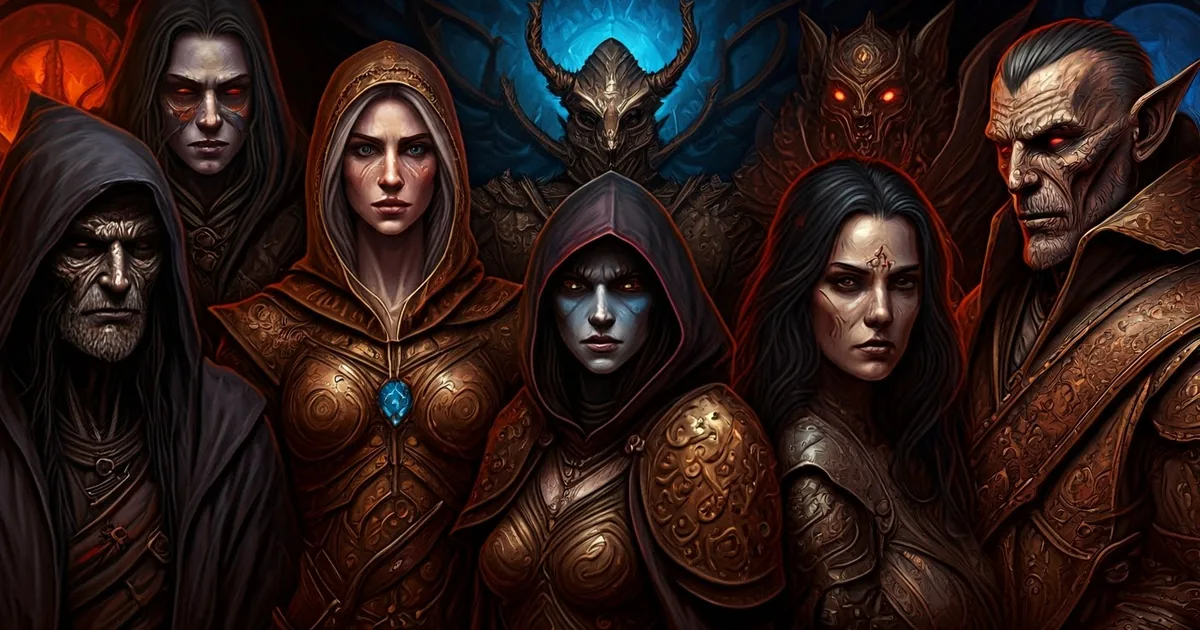
In meditative and magical practices, people often work with archetypes: to become whole, one must meet each of one's shadows. The demons of sin are not foreign entities, but our own suppressed impulses: pride, envy, anger, despair, greed, lust, gluttony, sloth. They manifest in everyday life: when we devalue others to feel more significant; when we envy others' success; when we get angry over trifles; when we procrastinate instead of doing important things.
In Christian demonology, each sin is paired with a specific demon, but in esotericism we can view them as symbolic keys. For example, Lucifer embodies pride — not just a fallen angel, but the energy of self-assertion that, without awareness, turns into arrogance. Asmodeus — lust, not only sexual, but also the passion for possession and dominance. Belphegor — sloth, which may actually be apathy resulting from a loss of meaning.
Understanding these archetypes helps us not to fight ourselves, but to transform our energy. Instead of suppressing the "demons," we can acknowledge their existence and channel their power into a creative direction. This is conscious shadow work — one of the key practices in esotericism and psychology.
Lucifer and Pride: How to Turn Ambition into Confidence
Lucifer, whose name means "light-bringer," is the most contradictory of the demons. In tradition, he is a symbol of pride, of rebellion against the divine order. But let us look deeper: pride is a distorted need for self-respect. When a person does not feel their own worth, they begin to compensate through superiority over others. Instead of building an inner foundation, they devalue those around them.
Example: imagine a person who constantly criticizes colleagues, highlighting their mistakes. In reality, they are afraid that their own shortcomings will become visible. Pride here is a defense mechanism. In esotericism, this is called "ego inflation" — when the ego inflates to hide inner emptiness.
How to work with this archetype? Start noticing moments when you feel superiority or contempt toward others. Ask yourself: "What am I trying to prove? What insecurity lies behind this?" The practice of humility does not mean self-abasement — it is the recognition of one's equal worth with others. Heart meditation helps connect with true self-worth that does not depend on external achievements.
| Symbol / Image | Traditional Meaning | Manifestation in Life | What to Do |
|---|---|---|---|
| Lucifer | Pride, rebellion | Arrogance, devaluation, desire to be better than everyone | Practice gratitude, acknowledge others' merits, self-analysis without self-flagellation |
When you catch yourself having a prideful thought, pause and think: "Is this my ego speaking or my soul?" Gradually, you will learn to distinguish healthy confidence from toxic pride. Lucifer within each of us is not evil, but a challenge: can we carry light without blinding others?
Asmodeus and Lust: The Energy of Passion as the Engine of Life
Asmodeus is the demon of lust, but in a broad sense, this is not only sexual desire. It is passion for life, creativity, possession. When lust spirals out of control, it becomes obsession: a person cannot be satisfied, there is never enough — in food, sex, shopping, power. But suppressing this energy leads to apathy and depression.
In esotericism, lust is connected to the root chakra and the sacral center — it is the energy of life force. The problem is not the energy itself, but how we use it. If we chase pleasures like a drug, we lose connection with true satisfaction. Asmodeus tempts us with the promise of eternal pleasure, but behind this lies a fear of emptiness.
Practice: instead of suppressing desires, become aware of them. When you feel a strong attraction to something, ask yourself: "What do I actually want? What lies behind this desire?" Often behind sexual attraction lies a need for intimacy and acceptance, behind the desire to buy — a need for novelty and self-realization.
Working with the energy of lust includes physical practices: dance, sports, creativity. Channel this powerful force into creation. Instead of obsession with an idea — create something real. Asmodeus can become your ally in unlocking creative potential if you do not let him control you.
Belphegor and Sloth: When Inaction Is a Signal of Lost Meaning
Belphegor is the demon of sloth, but sloth in demonology is not simply an unwillingness to work. It is despondency, apathy, loss of interest in life. In the modern world, sloth often takes the form of procrastination: we put off important tasks, get stuck in social media, seek distractions. In reality, this is a defense against the fear of failure or a feeling of meaninglessness.
Example: a person dreams of changing jobs but takes no steps for years. Behind this may lie the fear that they will not cope, that their dream is unrealistic. Sloth becomes a way to avoid confronting these fears.
In esotericism, sloth is associated with energy blocks, when the flow of energy stagnates. This can be a consequence of unprocessed emotions or a lack of connection with the inner self. To awaken energy, one must start small: physical activity, walks, simple actions. But the main thing is to restore meaning. Ask yourself: "What is truly important to me? What am I willing to get up for in the morning?"
Belphegor is not an enemy — he points to the fact that we have lost connection with our soul. When you feel lazy, do not scold yourself, but investigate: what are you avoiding? What need are you not fulfilling? Perhaps you need more rest, not endless work. Conscious laziness is the ability to listen to your body and psyche, rather than following others' demands.
Leviathan and Envy: Turning Comparison into Inspiration
Leviathan is the demon of envy, although in some traditions he is associated with pride. Envy is a feeling that corrodes from within: we look at others' successes and feel deficient. But envy is a powerful indicator of our true desires. If you envy someone, it means there is an unfulfilled dream within you.
Instead of tormenting yourself with comparison, use envy as a compass. What exactly evokes envy? Money, relationships, freedom? That is your vector of development. For example, if you envy travelers, perhaps you lack adventure and novelty. Start planning your own trip, even a small one.
In esotericism, envy is considered a "dark" emotion, but in reality it is energy that points to the gap between reality and the desired. Practice: when you feel envy, write down on paper what exactly you envy, and then reframe it into a goal. Instead of "he is so successful" — "I want to achieve the same level of professionalism." This way you channel the energy into constructive action.
Working with Leviathan is working with self-esteem. Envy is born from a feeling of lack, but in truth, everything necessary for happiness is already within us. Practices of gratitude and abundance meditation help shift focus from what is missing to what is present.
Satan and Anger: How to Use Fire for Transformation
Satan in demonology is often associated with anger and opposition. Anger is an energy that can be destructive if suppressed or unleashed without control. But in esotericism, anger is a force that helps establish boundaries and protect oneself. The problem is not anger itself, but what we do with it.
When we get angry, we lose connection with reason and act impulsively. This destroys relationships and health. However, suppressed anger turns into depression or psychosomatic illness. The task is to learn to express anger ecologically.
Practice: before reacting, pause and take a deep breath. Then ask yourself: "What exactly hurt me? What need of mine is unmet?" Often anger is a reaction to the violation of our boundaries. Learn to speak about your feelings in words, without accusations: "I get angry when you are late because I feel my time is not valued."
In energy practices, anger is connected to fire. You can use this fire for purification: write on paper everything that makes you angry, then burn it. This is a symbolic ritual of letting go. Physical exercise is also helpful — running, boxing — to release tension. Over time, you will learn to use anger as fuel for change, rather than as a destructive force.
Mammon and Greed: Rethinking Wealth as Energy
Mammon is the demon of greed and material wealth. In the modern world, greed is not only hoarding, but also a constant striving for more: more money, more things, more status. But behind this lies a fear of lack, a feeling that we are not good enough if we do not have much.
In esotericism, money and abundance are energy. Greed blocks the flow of this energy because we cling to what we have and fear giving. But to receive, one must be open to giving. This does not mean giving everything away, but it is important to practice generosity: sharing time, knowledge, support.
Practice: start small — give away what you do not need, donate to charity. Notice how your inner state changes. It is also useful to keep a gratitude journal for what you already have. This shifts focus from lack to abundance.
Mammon points to our connection with the material world. It is important to find balance: neither falling into asceticism nor worshipping money. Money is a tool for achieving goals and helping others. When we see it as energy rather than a goal, greed dissolves.
Beelzebub and Gluttony: Working with Addictions and Pleasures
Beelzebub is the demon of gluttony, but this is not only about food. It is any addiction: alcohol, drugs, gambling, TV series, social media. Gluttony is an attempt to fill an inner void with something external. We seek pleasure to drown out pain or boredom.
In esotericism, gluttony is connected to the lower chakras and the inability to feel satisfaction. This happens when we lose connection with ourselves and try to find it through external stimuli. But such satisfaction is always temporary, and after it comes an even greater emptiness.
Practice: conscious consumption. Before eating or doing something, ask yourself: "Do I really want this, or is it just a habit?" Try the practice of "one thing at a time": when you eat, focus on the taste without being distracted by your phone. This helps restore pleasure in simple things.
If you notice an addiction in yourself, do not reproach yourself, but explore what need it fulfills. Perhaps you lack love, peace, or recognition. Working with Beelzebub is working with inner emptiness. Meditations on filling, creativity, and communication with loved ones help fill it in healthy ways.
How to Work with the Demons of Sin: Table of Correspondences and Practices
Each of the seven demons can be matched not only with a sin, but also with its positive expression. This helps transform the energy. Below is a table with the key demons, their archetypal meaning, and practices for harmonization.
| Demon | Sin | Shadow Side | Transformation |
|---|---|---|---|
| Lucifer | Pride | Arrogance, egocentrism | Humility, self-worth |
| Asmodeus | Lust | Obsession, dependence on pleasure | Passion for life, creativity |
| Belphegor | Sloth | Apathy, procrastination | Inspiration, action |
| Leviathan | Envy | Comparison, discontent | Inspiration, goal-setting |
| Satan | Anger | Rage, destruction | Boundary-setting, strength |
| Mammon | Greed | Fear of lack, hoarding | Generosity, abundance |
| Beelzebub | Gluttony | Addictions, overindulgence | Mindfulness, moderation |
Working with demons is not summoning evil spirits, but delving into one's inner worlds. Each of us carries all seven sins to varying degrees. By acknowledging them, we become more whole. Instead of fighting ourselves, we can use these energies as fuel for growth. Practice mindfulness, meditation, keep a journal of your shadow manifestations. This way you will turn your "demons" into allies on the path of self-discovery.
The "Shadow Inventory" Practice: A Step-by-Step Guide
One of the effective ways to work with the demons of sin is the "Shadow Inventory" practice. It helps identify which archetypes are currently active in your life and transform them. This practice requires no special preparation, only honesty with yourself.
Step 1. Choose a quiet time and place. Sit comfortably, close your eyes, take several deep breaths.
Step 2. Recall the past week. Write down situations in which you manifested one of the seven sins: pride, lust, sloth, envy, anger, greed, gluttony. These can be real actions or even thoughts. For example, you envied a colleague, or were too lazy to do an important task, or overate at dinner.
Step 3. For each situation, determine which demon (archetype) manifested. Use the table above as a hint. For example, if you got angry in traffic — that is Satan; if you could not tear yourself away from a TV series — Beelzebub.
Step 4. Ask yourself: "What need stood behind this behavior? What was I trying to get or avoid?" For example, behind sloth may lie a fear of failure, behind greed — a feeling of insecurity.
Step 5. For each case, come up with an alternative behavior that satisfies the same need positively. If you overate out of boredom, you could instead go for a walk or call a friend. If you envied someone's success, set yourself a goal to develop in that area.
Step 6. Complete the practice with a ritual of release: write down all identified shadow manifestations on paper and burn the sheet, imagining that you are letting go of old patterns. Then thank yourself for your honesty.
This practice can be repeated weekly. Over time, you will begin to notice your "demons" in the moment and be able to choose a conscious reaction. Remember that the goal is not to become "sinless," but to live in harmony with all your energies.
The Path to Wholeness: Not Struggle, but Awareness
When we speak of the demons of the seven deadly sins, it is important to remember that this is not a verdict or a reason for fear. In esotericism, these archetypes are not evil entities, but reflections of our inner energies seeking an outlet. They manifest in everyday life: in our ambitions, passions, laziness, envy. But if we learn to notice and understand them, they become keys to self-knowledge. Instead of fighting ourselves, we can gently transform these energies, channeling them into a creative direction. This is conscious shadow work — one of the main practices in esotericism.
On this path, it is important not to remain alone. Explore your inner worlds with the help of EXETERIC practices, which will help you understand your shadow sides more deeply. And if you want to look at your personality from another angle, check out the astrology section — perhaps your zodiac sign will hint at which archetypes are especially active in your life. Each of us is unique, and how we work with these energies depends on our personal path.
Do not fear the unknown — instead, calmly investigate it. Try the practice of mindfulness with respect for yourself and your feelings. Remember that demons are not enemies, but mirrors showing where we have lost our balance. And when we restore that balance, we become more whole. If you want to continue exploring, read articles on magic and self-discovery in our blog. May your path be bright and conscious.
Frequently Asked Questions
What are the demons of the seven deadly sins in esotericism?
In esotericism, the demons of the seven deadly sins are not evil beings, but archetypal energies that live within each of us. They symbolize our shadow sides: pride, lust, sloth, envy, anger, greed, and gluttony. These energies can spiral out of control and destroy life, but if they are brought into awareness, they become teachers that help us become more whole. Working with them is not a struggle, but a transformation, where a negative manifestation turns into a positive quality.
How can I tell which demon of sin is active in me?
To understand which archetype is active, pay attention to your emotions and behavior. For example, if you often criticize others and feel superiority — this may be pride (Lucifer). If you envy others' success — this is envy (Leviathan). If you procrastinate and feel apathy — this is sloth (Belphegor). It is helpful to keep a journal and record situations where you manifest these sins. Over time, you will notice patterns and be able to determine which energies require attention.
What practices help transform the energy of demons?
Practices of mindfulness, meditation, and shadow work are effective. For example, the "Shadow Inventory" is a step-by-step exercise where you analyze your manifestations of sins and find positive alternatives. Physical practices such as dance or sports are also useful for releasing the energy of anger or lust. It is important not to suppress emotions, but to express them ecologically: talking about feelings, writing letters, using creativity. Meditations on gratitude and abundance help with greed and envy.
Can one get rid of the demons of sin forever?
In esotericism, it is believed that these energies are part of our nature, and it is impossible — and unnecessary — to completely get rid of them. The task is not to destroy them, but to learn to coexist with them harmoniously. When we become aware of our shadow sides, they stop controlling us. Instead of trying to become "sinless," we strive for balance, where each energy is used in a positive way. This is a lifelong path, but with practice you become increasingly whole.