Spirits of nature: elementals and their role in esotericism
Who Are the Spirits of Nature: From Folklore to Esotericism
When we hear the phrase "spirits of nature," our imagination paints either cute gnomes from cartoons or formidable elemental entities from horror films. In reality, behind this term lies an entire layer of esoteric knowledge that has existed for thousands of years. Elementals — as spirits of nature are commonly called in the Western tradition — are not just fairy-tale characters but quite concrete energetic entities associated with the four elements: earth, water, fire, and air.

In esotericism, it is believed that elementals are spirits that inhabit the natural world and are responsible for its manifestations. They do not have a physical body, but they can be felt, seen with inner vision, or sensed through their presence. Paracelsus, the famous alchemist and physician of the Renaissance, systematized knowledge about them, dividing them into gnomes, undines, salamanders, and sylphs. Each group of spirits is responsible for its own element, and understanding their nature helps us better interact with the world around us and with ourselves.
But it is important to set the record straight right away: spirits of nature are not "cute helpers" who grant wishes at the snap of a finger. They are independent entities with their own character, and working with them requires respect and caution. In this article, we will examine who elementals are, what types exist, how they manifest in our lives, and how to safely establish contact with them if you feel the need to do so.
The Four Elements and Their Guardians: Gnomes, Undines, Salamanders, Sylphs
To understand the topic, let us begin with the classics. In Western esotericism, it is customary to distinguish four main types of elementals corresponding to the four elements. Each of them possesses unique characteristics and influences different spheres of our lives.
Gnomes — Spirits of Earth
Gnomes are the elementals of earth. They are slow, grounded, and connected to the material world, wealth, and stability. Contrary to the common image, gnomes are not necessarily small and bearded — in esotericism, they are represented as dense energetic clumps that are felt as heaviness, warmth, the smell of earth and moss. Gnomes are responsible for plant growth, physical health, and material well-being. If your life lacks stability, perhaps it is worth paying attention to your connection with the earth: walks in the forest, working in the garden, contact with stones.
Gnomes are quite conservative and do not like fuss. To establish a connection with them, you need to be patient and show respect for nature and the material world. Practice: take a stone in your hands, close your eyes, and try to feel its energy — warmth, heaviness, vibrations. This is a simple way to establish contact with the spirits of earth.
Undines — Spirits of Water
Undines are the elementals of water. They are connected to emotions, feelings, and intuition. Water is fluidity, changeability, depth. Undines are often described as beautiful maidens living in streams and lakes, but in esotericism they are more like cool, moist streams of energy that can be felt near bodies of water. Undines help us become aware of our feelings, cleanse ourselves emotionally, and develop empathy. If you feel emotional stagnation, communion with water — whether swimming, meditating by a river, or simply a cup of water — can help.
Undines are capricious, like water itself. They respond to sincere emotions but cannot tolerate falseness. Practice: fill a glass with water, place it before you, breathe calmly, and then drink it, imagining how the water cleanses you from within. This is a simple ritual for establishing a connection with water spirits.
Salamanders — Spirits of Fire
Salamanders are the elementals of fire. They are energetic, passionate, and transformative. Fire is will, action, power, purification. Salamanders are often depicted as lizards living in flames, but in reality they are powerful energetic vortices that are felt as heat, sharpness, impulsiveness. Salamanders are responsible for inner fire, motivation, and creative power. If you lack energy or feel that life has become bland, communion with fire — lighting a candle, watching a bonfire, visualization practices — can awaken your passion.
But one must be careful with salamanders: their energy can be destructive if not controlled. Practice: light a candle, look at the flame, imagining how it burns away your fears and doubts. But do not overdo it — fire demands respect.
Sylphs — Spirits of Air
Sylphs are the elementals of air. They are swift, light, and intellectual. Air is thoughts, communication, knowledge, inspiration. Sylphs are often imagined as winged beings, but on an energetic level they are mobile, almost weightless currents that can be felt as a breath of wind, a tickle, sudden clarity. Sylphs are responsible for mental activity, ideas, and the exchange of information. If you feel stagnation in your thoughts, air out the room, go outside on a windy day, read books — and the sylphs will come to your aid.
Sylphs are the fastest and most changeable spirits; they cannot tolerate rigidity and dogma. Practice: find a place where the wind blows, close your eyes, and turn your face to it. Feel how the air penetrates you, cleansing your thoughts. This will establish a connection with the air spirits.
How Spirits of Nature Manifest in Our Lives: Signs and Synchronicities
Spirits of nature do not always appear to us in an explicit form. More often, they communicate with us through signs and synchronicities. It is important to learn to notice these manifestations in order to understand in time what they want to tell us.
Signs of the Elements
Each element can send us signals through its manifestations. For example, if you constantly encounter feathers on your path — this may be a sign from the sylphs, a call to pay attention to thoughts or ideas. If you see many butterflies — perhaps this is a sign of transformation from the salamanders. If you notice unusual stones or earth — gnomes may be pointing to material aspects of life. And if you often hear the sound of water, see puddles, or experience sudden emotions — undines are trying to reach your feelings.
But do not fall into paranoia and look for signs in everything. Esotericism is about mindfulness, not superstition. If you are attuned to a connection with nature, you will naturally begin to notice such things. It is important to pay attention to recurring symbols that stand out from the usual background.
Synchronicities and Inner Sensations
Synchronicities are meaningful coincidences that cannot be explained by logic. For example, you think about a certain person, and they call you. Or you are looking for an answer to a question, and it comes from an unexpected source. Esotericists believe that spirits of nature can create such coincidences to guide us. If you feel a sudden gust of wind when making an important decision, or notice that the water in a glass ripples without reason — this may be a signal from the elementals.
To learn to recognize these signals, you need to develop observation and intuition. Keep a journal of synchronicities, write down your dreams and sensations. Over time, you will notice patterns and be able to better understand the language of the spirits of nature.
Spirits of Nature in the Slavic Tradition: Domovoi, Leshy, Rusalki
Every culture has its own spirits of nature, and the Slavic one is no exception. Our ancestors believed in domovoi, leshy, rusalki, vodianoy, and other beings that personified the forces of nature. These beliefs are not mere superstitions but a reflection of deep esoteric knowledge about the interaction between humans and the world around them.
Domovoi — Spirit of the Home
The domovoi is a spirit that lives in a house and protects its inhabitants. In the esoteric sense, it is connected to the element of earth, since the home is a material space, a hearth. The domovoi can help with household chores, warn of danger, but if not respected — it may play tricks and hide things. It is believed that the domovoi lives behind the stove or in a corner, and contact can be established by leaving offerings (milk, bread) and maintaining cleanliness.
In the modern world, where we rarely live in houses with stoves, the domovoi can be imagined as an energetic entity that guards a space. If you feel that your apartment is uncomfortable, perhaps it is worth "getting acquainted" with the domovoi: leave an offering, talk to it, ask for protection. This is not superstition but a way to attune to the energy of a place.
Leshy — Spirit of the Forest
The leshy is the master of the forest, the patron of wild nature. It is connected to the element of earth but also of air, since the forest is a space where different energies intertwine. The leshy can lead travelers astray if they behave disrespectfully, but it can also help those who are lost if they ask for help. In esotericism, the leshy is an archetype of the wild, untamed force of nature that must be approached with caution.
If you go into the forest, it is important to follow the rules: do not litter, do not break trees, do not make noise. You can mentally greet the leshy and ask permission to enter. This will help establish a harmonious connection with forest spirits.
Rusalki — Spirits of Water
Rusalki are the spirits of water in the Slavic tradition, the equivalent of undines. It was believed that rusalki lived in rivers and lakes and could be dangerous to people, especially during Rusal Week. But in esotericism, rusalki are a symbol of emotional depth, intuition, and feminine power. They are connected to the cyclical nature of the natural world and the tides.
To establish a connection with rusalki, you can spend time near bodies of water, listen to the sound of water, meditate by a river. It is important to show respect for the water element and not pollute water bodies. Then rusalki can become allies in developing intuition.
Practices for Interacting with Spirits of Nature: Safe Methods
If you want to consciously interact with spirits of nature, it is important to do so safely and respectfully. Here are several practices that will help you establish contact without risk.
Meditation on the Elements
One of the safest and most effective practices is meditation on the four elements. Find a quiet place, sit comfortably, close your eyes. Imagine that you are surrounded by earth, water, fire, and air. Feel their energy: the heaviness of earth, the fluidity of water, the heat of fire, the lightness of air. Remain in this state for a few minutes, then gradually return to reality.
This meditation helps attune to the elementals and harmonize your energy. Do it regularly, and you will notice how your well-being and intuition improve.
Creating an Altar of the Elements
You can create a small altar at home dedicated to the four elements. For this, you will need symbols: a stone (earth), a bowl of water (water), a candle (fire), and incense or a feather (air). Arrange them in one place, light the candle and incense, sit before the altar, and simply remain in silence. You can say a prayer or an address to the spirits of nature, but the main thing is to do it with sincere intention.
The altar is not just decoration but a focus for your intention. Take care of it, dust it, change the water. This will help maintain a connection with the elementals.
Offerings to Spirits of Nature
In the traditions of various cultures, it is customary to leave offerings to spirits of nature: bread, milk, honey, coins. This is not "payment" but a sign of respect and gratitude. You can leave an offering in the forest, by a river, or simply on a windowsill. It is important to do this without expecting anything in return, as a gesture of appreciation for the gifts of nature.
But remember: offerings should be natural and not harm the environment. Do not leave plastic or chemicals. Best of all are bread crumbs, grain, honey, which will decompose naturally.
Spirits of Nature and the Modern World: How to Restore the Connection
In the modern world, we are increasingly distancing ourselves from nature, living in concrete jungles, and the connection with elementals is weakening. But this does not mean it is lost forever. You can restore the connection with spirits of nature by consciously paying attention to nature and developing sensitivity.
The Practice of "Forest Bathing"
In Japan, there is a practice called "shinrin-yoku" — "forest bathing" — which consists of slow walks through the forest while immersing oneself in its atmosphere. This is not just rest but a way to restore the connection with nature. During such a walk, try to notice details: light, shadows, sounds, smells. Breathe deeply, touch the trees, feel the soil under your feet. This will help you attune to the energy of the forest and its spirits.
Try to get out to a park or forest at least once a week, turning off your phone. This will benefit both your psyche and your energy.
Gratitude to Nature
A simple but powerful exercise is to thank nature every day. When you drink water, thank the rain and the rivers. When you eat food, thank the earth and the sun. When you breathe, thank the air and the trees. This develops mindfulness and strengthens the connection with the elementals.
You can do this mentally or aloud. The main thing is to feel sincere gratitude. Over time, you will notice that you begin to see more signs and synchronicities.
Mistakes in Communicating with Spirits of Nature: What to Avoid
For interaction with spirits of nature to be harmonious, it is important to avoid common mistakes. Many people, having heard scary stories, either fear elementals or try to force them into service. Both approaches are harmful.
Fear and Disrespect
Fear blocks energy exchange. If you are afraid of spirits of nature, it is better not to begin practices until you have worked through that fear. Spirits sense fear and may react aggressively or simply refuse contact. Disrespect is another mistake: attempts to command, demand, or use spirits for selfish purposes. Elementals are free entities, and they are not obligated to serve you.
Attempts to Subjugate
In some magical traditions, the practice of summoning spirits and subjugating them to the magician's will exists. But this is a dangerous path that can lead to unpleasant consequences. Spirits of nature are not slaves but partners. It is far more productive to build relationships with them based on mutual respect and cooperation.
If you feel the desire to subjugate spirits, ask yourself: why? Most likely, behind this lies a desire for power or control, which contradicts the spirit of esotericism. It is better to focus on self-knowledge and harmony.
Spirits of Nature and Dreams: How They Come in Sleep
Dreams are one of the main windows into the world of spirits of nature. During sleep, our consciousness relaxes, and we can perceive subtle energies that we do not notice while awake. Elementals often come in dreams in the form of symbols or beings to convey messages to us.
Symbols of the Elements in Dreams
If you dream of water — this may be a sign from the undines: pay attention to emotions. If you dream of fire — salamanders are pointing to transformation. Earth in a dream — gnomes are speaking of the material. Air, wind — sylphs are calling for clarity of thought. Write down your dreams and analyze the symbols.
But do not look for literal encounters with gnomes or rusalki. Spirits can take any form that your mind can understand. The main thing is the message.
The Practice of Lucid Dreaming
If you want to consciously meet spirits of nature in a dream, you can practice lucid dreaming. To do this, you need to develop the skill of becoming aware of yourself in a dream. Before sleep, set the intention: "I want to meet the spirits of nature." Visualize the desired place — a forest, a river, a clearing. In the dream, you will be able to travel there and communicate with the elementals.
This is a deep practice that requires time and patience. Start by keeping a dream journal and performing reality checks throughout the day.
Elementals in Magic and Rituals: How to Use Their Power
In magical practices, elementals are often used to achieve specific goals: protection, purification, attracting luck. But it is important to understand that spirits of nature are not soulless tools but living beings. Working with them must be ethical.
Rituals for Each Element
Simple rituals can be performed at home. For example, to purify a space, you can use fire (a candle) and water (spraying with salt). To attract finances — earth (a stone, coins) and air (incense). It is important that the ritual is filled with sincere intention and respect.
Example of a protection ritual: light a black candle, take salt, and walk around the house clockwise, sprinkling salt at the threshold and windows, saying: "Spirits of earth, protect this home." This is a simple practice that helps establish an energetic barrier.
Ethics of Working with Elementals
Do not ask spirits for what you can do yourself. Do not abuse their help. Always thank them for their support. And remember: you are responsible for your actions. If you summoned a spirit with good intentions but then acted unethically, this will reflect on you.
It is best to view elementals as allies rather than servants. Then your rituals will be effective and safe.
Spirits of Nature in Everyday Life: How to Notice Them Nearby
Spirits of nature are not only in the forest or by the river. They can be near us in the city if we know how to notice them. Trees in the yard, birds, wind, rain — all these are manifestations of the elements. By developing sensitivity, you will begin to feel their presence even in a metropolis.
Urban Oases
Find a place in your city where nature has been preserved: a park, a square, an embankment. Spend time there regularly, observe the changes in nature. Over time, you will feel the special energy of these places. These may be "power spots" where spirits are especially active.
You can create your own "green corner" at home: houseplants, stones, water. This will help maintain a connection with the elementals even in an apartment.
The "Stop-Moment" Practice
Several times a day, stop for a minute and pay attention to your surroundings. What do you see? What do you feel? Which element is manifesting right now? The sun is shining — fire. A breeze — air. A puddle — water. The earth beneath your feet — earth. This simple exercise develops mindfulness and helps you notice spirits of nature in everyday life.
Try doing this every day, and soon you will begin to feel a deeper connection with the natural world.
Spirits of Nature and Inner Transformation: What They Can Give Us
Working with spirits of nature is not only external practices but also a path of inner transformation. Elementals can help us develop the qualities inherent in them: stability (earth), emotional depth (water), passion (fire), clarity of thought (air).
Balancing Energies
Every person possesses the energies of all four elements, but often one of them dominates. For example, if you are overly emotional, perhaps you have an excess of water. If you are hot-tempered — an excess of fire. Spirits of nature can help harmonize these energies if you turn to them with a request.
The meditation on the four elements, which we described above, is an excellent way to balance energies. Do it regularly, and you will feel yourself becoming calmer, more confident, clearer.
Developing Intuition
Spirits of nature, especially undines and sylphs, are closely connected to intuition and clairvoyance. Communicating with them can open your inner channels of perception. You will begin to feel people better, anticipate events, and trust your inner voice.
To develop intuition, practice meditations on water and air, keep a dream journal, notice synchronicities. The more attention you pay to subtle signals, the stronger your intuition becomes.
Book and Practical Sources on Spirits of Nature
For those who want to delve deeper into the topic, there are many books and practical guides. We recommend starting with classic works on Western esotericism, as well as modern authors who adapt this knowledge for contemporary people.
Among books, one can highlight "The Secret Doctrine" by Helena Blavatsky, which mentions elementals, the works of Paracelsus, as well as modern books on Wicca, for example, "Wicca: A Guide for the Solitary Practitioner" by Scott Cunningham. It is also useful to study Slavic myths and folklore — there is much information about spirits of nature there.
But remember: books provide theory, while practice provides everything. Start with simple meditations and observations, and you yourself will feel how spirits of nature respond to your call.
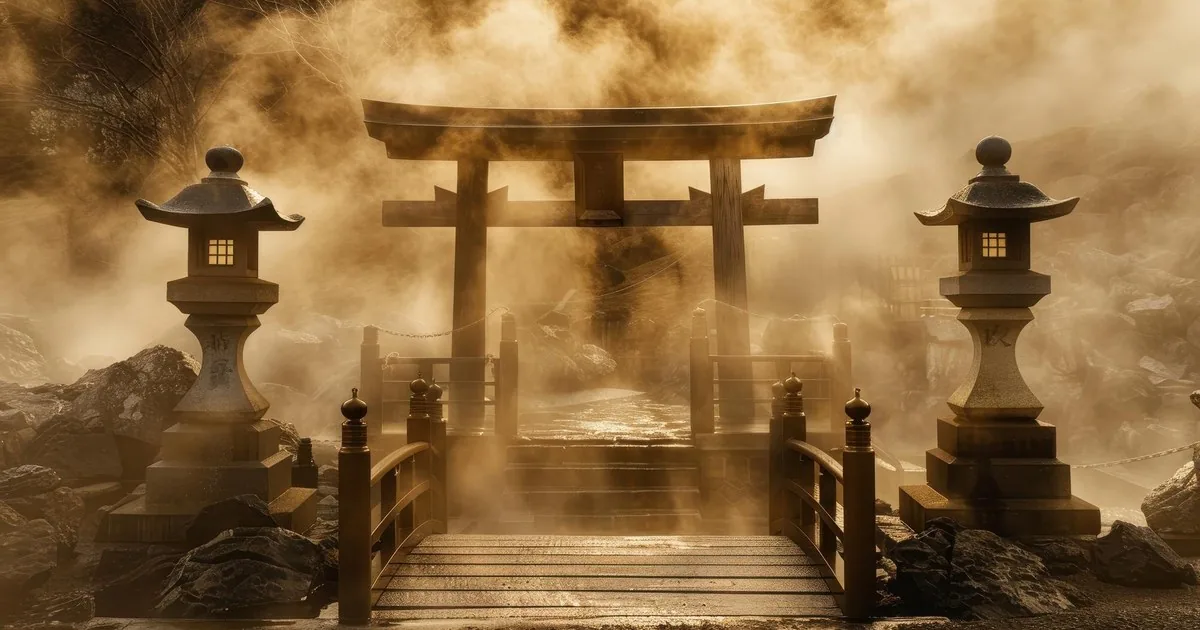
The Path to Harmony: Elementals as a Mirror of Your Soul
When we speak of spirits of nature, we are really speaking of a dialogue with our own deepest layers. Elementals are not distant mythical beings but living reflections of those forces already at work within us: earthly stability, watery emotionality, fiery passion, and airy clarity. By noticing them in the world around us, we learn to see these same qualities in ourselves, to accept them, and to balance them. This is true esotericism — not an escape from reality but a way to live more mindfully, feeling the pulse of nature in every moment.
You can begin this path with something simple: a walk in the park where you consciously listen to the rustling of leaves for the first time, or a cup of water drunk with gratitude. There is no need to wait for miracles or chase after extrasensory abilities. It is enough to open your heart and allow the natural world to speak to you in its own language. And when you feel ready to go deeper, explore the EXETERIC practices — there you will find gentle and safe ways to interact with elementals, based on respect and common sense.
Remember: spirits of nature do not demand worship and do not obey commands. They are partners who respond to sincerity and purity of intention. If you approach them with curiosity and respect, they can become reliable allies in self-knowledge. But even if you are only observing signs and synchronicities for now, this already changes your perception of the world, making it more alive and filled with meaning.
Esotericism should not frighten or lead away from reality. It is a tool that helps us better understand ourselves and our place in the world. Use it wisely, and you will see how many wonders are hidden in the ordinary. If you wish to continue the exploration, in the articles on magic and self-knowledge you will find even more practices and reflections on this topic. And if you are curious about how your own birth influences your connection with the elements, look into the astrology section and discover which forces patronize your zodiac sign.
Do not fear the unknown. Move forward with an open heart, and the natural world will respond in kind. Start small — with gratitude, with attention to details, with quiet meditation by the window. And may every step you take be filled with mindfulness and respect for the invisible that lives beside us.
Frequently Asked Questions
How can a beginner safely get acquainted with spirits of nature?
Start by observing nature: walk in the park, listen to the wind, watch the water. Do not try to summon spirits or make contact until you feel inner readiness. Meditation on the elements is the safest way to attune to their energy. Simply sit in silence, imagine each element in turn, and remain with that sensation for a few minutes. If you feel fear, it is better to postpone the practice — spirits of nature respect the brave but do not like the uncertain. Start small, and over time you will naturally feel their presence.
Can spirits of nature harm a person?
Spirits of nature, like any energetic entities, can carry different vibrations. If a person behaves aggressively, disrespectfully, or tries to subjugate them, they may respond in kind. But in most cases, they are neutral or even friendly if you show respect for nature. To avoid negativity, do not try to command elementals, do not ask them for what you can do yourself, and always thank them for their help. If you feel fear, work through it with meditation or consult an experienced practitioner. Remember: your intention determines your interaction.
What should I do if I feel the presence of a spirit of nature in my home?
Feeling the presence of a spirit of nature in the home is not uncommon, especially if there are plants, water, or frequently open windows nearby. It may be a harmless visitor simply exploring the space. Try not to panic and do not attempt to banish it. Instead, calmly speak to it mentally or aloud, imagine that you are greeting it and offering friendship. You can leave an offering — bread or milk — in a secluded place to show your respect. If you feel discomfort, imagine your home filling with golden light and ask the spirit to leave if it does not wish well. In most cases, such contacts are safe and even beneficial.
How can I distinguish a real sign from a spirit of nature from a mere coincidence?
A true sign from a spirit of nature usually repeats and carries a clear message that resonates in your soul. For example, you are thinking about an important decision, and at that moment the wind sharply flings open the window — this may be a sign from the sylphs. Or you constantly see feathers on your path — perhaps air spirits want to draw your attention to your thoughts. Pay attention to your feelings: if you experience sudden peace, joy, or clarity, most likely it is not a coincidence. Keep a journal of synchronicities, write down recurring symbols. Over time, you will learn to distinguish random coincidences from meaningful messages. Trust your intuition, but do not fall into paranoia — do not look for signs in every sneeze.