Islamic dream book: interpretation of dreams according to Muslim traditions
Islamic Dream Book: How the Muslim Tradition Explains the Nature of Dreams
Dreams have always held a special place in Islamic culture. The Quran and hadiths mention that dreams can be one of the channels of divine guidance, and the Prophet Muhammad (peace be upon him) often interpreted dreams for his companions. The Islamic dream book is not just a collection of omens but an entire system based on sacred texts and the works of Muslim scholars. Unlike many popular dream books, the Islamic approach requires careful attention to details, context, and the personal state of the dreamer. We will examine how the Muslim dream book works, which symbols are considered important, and how to apply this knowledge in everyday life — without fanaticism and superstition, but with an understanding of the deep processes of the psyche and spiritual tradition.

In the Islamic tradition, dreams are divided into three categories: good dreams (ru'ya), which are considered good news from Allah; bad dreams (hulm) — whisperings of shaitan, which should not be taken literally; and dreams that reflect a person's daily experiences. This classification helps avoid extremes: not panicking over nightmares and not seeking hidden meaning in every trifle. The interpretation of dreams according to Islam is an art that requires knowledge, intuition, and common sense. In this article, we will examine the basic principles, symbols, and practical recommendations so that you can use the Islamic dream book as a tool for self-knowledge rather than a reason for fear.
Foundations of the Islamic Dream Book: Where the Interpretations Came From
The Islamic dream book was formed over centuries. Its foundation was laid by the verses of the Quran that mention dreams (for example, the dream of Prophet Yusuf) and the hadiths — collections of the sayings of Prophet Muhammad. One of the most famous works is "Ta'bir ar-Ru'ya" by Ibn Sirin, who lived in the 7th century. This scholar is considered one of the first systematizers of the Muslim dream book. He emphasized that interpretation must take into account not only the symbol but also the personality of the dreamer, their social status, the time of the dream, and even the day of the week. For example, a dream about water may mean a blessing for one person and a trial for another — depending on the context.
It is important to understand that the Islamic dream book is not a rigid scheme but a flexible system. Scholars warned that dream interpretation is an area where it is easy to make mistakes, so they advised turning to knowledgeable people rather than relying on superficial reference books. Nevertheless, there are common symbols that appear in most sources. For example, a snake often symbolizes an enemy, and milk — knowledge and purity. However, these meanings can change depending on the details of the dream. Therefore, when you open the Muslim dream book, remember: it is only a starting point for reflection, not the ultimate truth.
Key Symbols in the Islamic Dream Book and Their Meaning
In the Islamic dream book, symbols often carry spiritual or psychological significance. Let us examine several common images and their traditional interpretations, with the caveat that each dream is unique.
| Symbol / Image | Traditional Meaning | Manifestation in Life | What to Do |
|---|---|---|---|
| Water | Blessing, knowledge, life | Clean water — success and prosperity; murky water — worries | Analyze what is currently happening in your life: are there sources of purity and clarity? |
| Snake | Enemy, hidden danger | Often points to an ill-wisher or an inner fear | Pay attention to your surroundings, but do not give in to paranoia — perhaps it is your own fear |
| Milk | Knowledge, purity, nourishment | May speak of gaining new knowledge or spiritual growth | Think about what you have been learning lately and how it affects your life |
| Flight | Freedom, spiritual elevation | Often appears in moments of inspiration or change | Use this image as a stimulus for personal development |
This is only a small part of the symbols. It is important to remember that the Islamic dream book interpretation does not offer universal answers but rather a direction for reflection. For example, if you dream of a snake, do not immediately look for enemies — perhaps it is a reflection of your own anxiety. Psychologists believe that dreams are a dialogue with the subconscious, and the Islamic tradition confirms this, calling for mindfulness.
How to Correctly Interpret Dreams According to Islam: Practical Steps
The interpretation of dreams according to Islam is not just searching for a meaning in a reference book. It is a process that requires attention to details and self-analysis. Here are several steps that will help you approach this consciously.
The first step is to remember the dream as accurately as possible. Immediately after waking up, without getting out of bed, mentally replay the dream, highlight the key images, emotions, and colors. Write them down in a dream journal — this will help not only with interpretation but also with tracking recurring themes.
The second step is to determine the category of the dream. A good dream (ru'ya) is one that leaves a pleasant aftertaste and carries hope. A bad dream (hulm) is frightening and disturbing. If the dream is neutral but vivid, it may reflect your daily concerns. The Islamic dream book recommends not telling others about bad dreams and not trying to interpret them literally — it is better to turn to Allah with a prayer for protection.
The third step is to look for symbols in context. Open the Muslim dream book meaning of dreams, but do not take the first meaning you come across. Compare it with your life situation. For example, if you dream of a road, it may mean a journey, changes, or a life path. What is happening with you right now? Perhaps you are facing a choice.
The fourth step is not to ignore intuition. Sometimes the first feeling that arises upon waking is the most accurate key. If the dream evokes a sense of peace, even if the symbols seem strange, trust it. The Islamic tradition teaches that the heart can be a guide to truth.
The Islamic Dream Book and Modernity: What Psychologists Say
Modern psychology recognizes the value of dreams for understanding a person's inner world. Carl Jung, for example, considered dreams a window into the collective unconscious, where archetypes — universal symbols — play a key role. The Islamic dream book, with its emphasis on symbols and their spiritual meaning, largely overlaps with the Jungian approach. However, there are also differences: the Islamic tradition attributes divine origin to dreams, while psychology sees them as a product of the psyche.
Nevertheless, both approaches agree that dreams carry important information about our emotional state, fears, and desires. Therefore, when you use the Islamic dream book interpretation, you can simultaneously analyze the dream from a psychological perspective. For example, a dream about falling may indicate insecurity, and a dream about water — an emotional state. Such a synthesis helps to get a more complete picture.
It is important not to fall into extremes: not to consider every dream prophetic, but also not to ignore them. The Islamic dream book offers a balance: dreams are signs, but not fatal predeterminations. You can always change your life by relying on mindfulness and will.
Common Mistakes in Interpreting Dreams According to Islam
Many people, when first turning to the Islamic dream book, make typical mistakes that can lead to incorrect conclusions. Let us examine them so that you can avoid them.
| Common Myth | Why This Is Not So | How It Actually Is |
|---|---|---|
| Every dream has a hidden meaning | Many dreams are simply a reflection of daily impressions | Dreams can be "noise" of the brain, not a message. It is important to distinguish significant dreams from ordinary ones |
| Interpretation must be literal | Symbols are ambiguous and depend on context | The same symbol can mean different things for different people |
| A bad dream is a prediction of misfortune | In Islam, bad dreams are considered whisperings of shaitan and should not be taken seriously | It is better to turn to prayer and protection rather than look for frightening omens |
These mistakes arise from a superficial approach. To avoid them, always analyze the dream in the context of your life, consult knowledgeable people, and do not rely on only one source. The Islamic dream book is a tool, not a dogma.
How to Apply the Islamic Dream Book in Everyday Life
The Islamic dream book can become a useful assistant in self-knowledge if used consciously. Here are several practical tips on how to integrate it into your life.
First, keep a dream journal. Write down your dreams immediately after waking, noting the date, emotions, and key symbols. After a few weeks, you will be able to see recurring themes that point to important aspects of your life. Second, study interpretations, but do not fixate on them. Use the Muslim dream book meaning of dreams as a reference, but always cross-check with reality. Third, discuss dreams with loved ones or mentors, but choose those who understand the topic and are not prone to superstition.
It is also important to remember spiritual practice. In Islam, certain prayers are read before sleep to protect oneself from bad dreams. If you have a nightmare, perform ablution in the morning and read a du'a. This will help relieve anxiety and restore peace of mind. The Islamic dream book is not just a set of interpretations but part of a spiritual culture that teaches us to be attentive to signs while relying on the Almighty.
A Dream About a Prophet or Sacred Texts: A Special Case
In the Islamic tradition, dreams in which prophets, angels, or sacred texts appear are considered especially significant. Such dreams can be a source of inspiration and guidance, but their interpretation requires particular caution. Scholars say that seeing a prophet in a dream is a sign of goodness, but one should not attribute prophetic status to a dream unless you are certain of its authenticity. It is better to perceive such a dream as a call to spiritual growth and humility.
If you dream of reading the Quran, this may mean a striving for knowledge and righteousness. However, you should not take this literally as an instruction for specific actions. It is important to remember that the Islamic dream book is not a way to predict the future but a tool for reflection. A dream about sacred symbols may reflect your inner need for faith and support.
In such cases, it is especially useful to turn to a knowledgeable person who can provide a balanced interpretation. But even without that, you can reflect on your own: what does this dream say about your spiritual state? What changes do you want to make in your life? This approach will help you benefit from the dream without falling into mysticism.
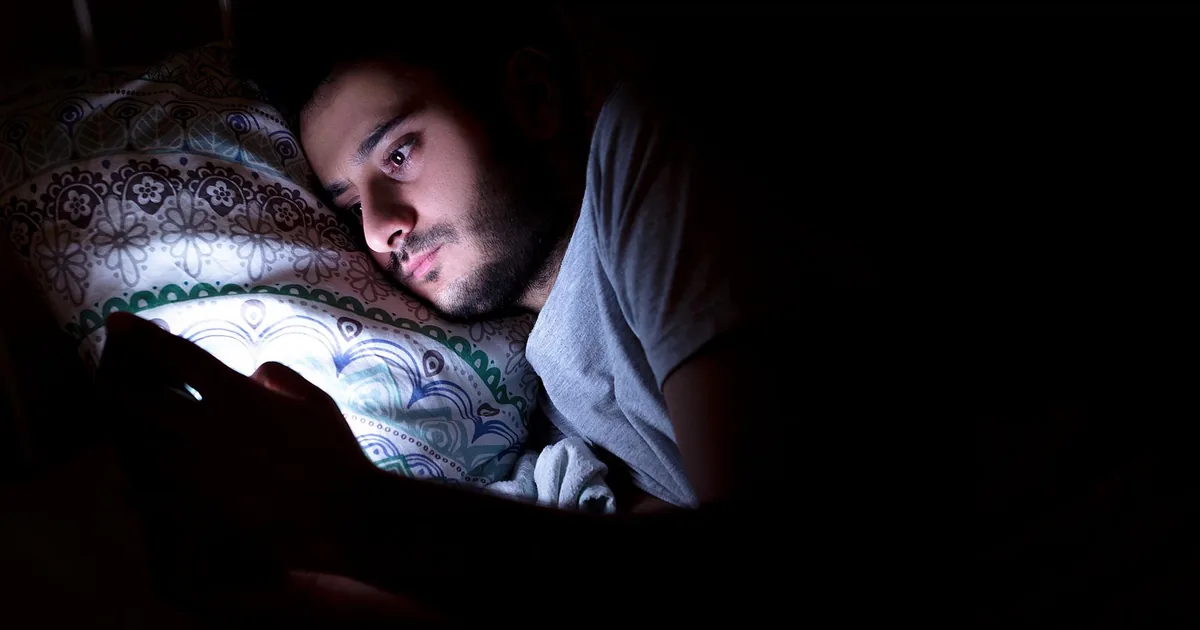
The Path to Mindfulness: How the Islamic Dream Book Helps in the Modern World
Dreams are an amazing space where our emotions, experiences, and deep intuitions intertwine. The Islamic dream book, with its centuries-old tradition and respect for symbols, offers us not just a decoding of images but an opportunity to better understand ourselves. In this sense, it becomes not so much a predictor as a mirror reflecting our inner state. When we approach dreams with mindfulness, we learn to hear our inner voice and make more balanced decisions in real life.
It is important to remember that esotericism is not an escape from reality but a tool for its deeper understanding. The Islamic tradition teaches us balance: dreams can be signs, but not fatal instructions. They give us food for thought, but the choice always remains with us. This approach helps avoid extremes — both blind faith in every dream and complete ignorance of their wisdom. If you feel you want to delve deeper into this topic, pay attention to the practices of EXETERIC, which combine ancient knowledge with a modern view of self-knowledge.
In our rapidly changing world, full of information and stress, dreams can become an island of calm and clarity. Using the dream book as a starting point, you can discover new facets of your personality and sort out your fears and desires. Do not be afraid of the unknown — approach it with respect and curiosity. Perhaps it is in the interpretation of dreams that you will find answers to questions that have long troubled you. And if you want to broaden your horizons, check out the astrology section — there you will find much of interest about your zodiac sign and its influence on your character.
Remember that any esoteric tool is merely a helper on the path. The main thing is your own intention and willingness to work on yourself. The Islamic dream book can become your faithful companion on this journey if you use it consciously and with an open heart. We invite you to explore other articles about magic and self-knowledge on the EXETERIC blog — there you will find much that is useful and inspiring. May your dreams be clear and your life filled with meaning.
Frequently Asked Questions
Can I interpret dreams on my own or should I consult a specialist?
Yes, you can interpret dreams on your own if you approach it consciously and with respect for the tradition. The Islamic dream book is not a strict instruction but rather a guide that helps direct your reflections. However, for complex or especially significant dreams, such as those about prophets or sacred texts, it is better to consult a knowledgeable person who can take all nuances into account. The main thing is not to rely only on superficial meanings but to analyze the dream in the context of your life. If you feel that a dream disturbs you, do not hesitate to seek help from those who understand this matter.
What should I do if I have a bad dream?
In the Islamic tradition, bad dreams are considered whisperings of shaitan, so they should not be taken literally or searched for hidden omens. If you have a nightmare, after waking it is recommended to perform ablution, read a prayer for protection, and not tell others about this dream. It is also useful to shift your attention to something positive, such as gratitude or good deeds. It is important to remember that such a dream is not a verdict but rather a signal about your emotional state. Try to analyze what might have caused the anxiety, and if necessary, turn to loved ones or a specialist.
How can I distinguish a prophetic dream from an ordinary one?
In the Islamic tradition, prophetic dreams (ru'ya) are considered good news from Allah and are usually distinguished by clarity, calmness, and leave a pleasant aftertaste. Ordinary dreams often reflect daily experiences and can be confusing or neutral. To determine whether a dream is prophetic, pay attention to its emotional coloring and recurring symbols. If the dream brings hope and inspiration, perhaps there is a hidden meaning in it. However, do not seek prophecies in every dream — it is important to maintain common sense and not fall into superstition. It is better to perceive such dreams as an invitation to reflection and spiritual growth.
Which symbols in the Islamic dream book are considered the most important?
In the Islamic dream book, there are several key symbols that appear most frequently and carry deep meaning. For example, water symbolizes blessing, knowledge, and life; a snake — an enemy or hidden danger; milk — purity and nourishment; flight — freedom and spiritual elevation. However, it is important to remember that the meaning of a symbol always depends on the context of the dream and the personality of the dreamer. The same image can mean different things for different people. Therefore, when you look for an interpretation, be sure to consider your life circumstances and the emotions the dream evoked. This will help you gain a more accurate and useful understanding.