How to create feng shui for the home: all the subtleties of the mastery of space
Feng Shui for the Home: What It Is and Why You Need It
Feng shui for the home is an ancient Chinese practice of organizing space that helps establish a smooth flow of chi energy. Unlike simple design, home feng shui takes into account not only aesthetics but also how the arrangement of objects affects your well-being, relationships, and financial prosperity. Many people think that feng shui is just rearranging furniture or buying figurines, but in reality, it is an entire system that works with invisible energies.
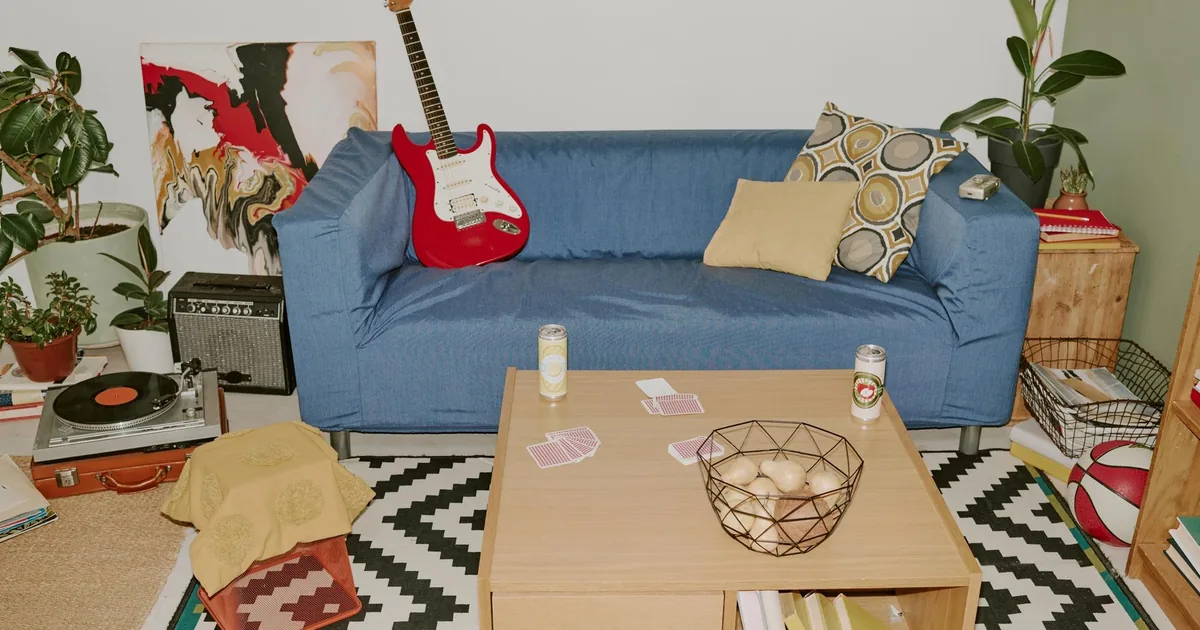
When we talk about feng shui in the home, we mean not only an apartment but also a private house. The basics of home feng shui are the same for any dwelling: it is important that chi energy can circulate freely, without stagnating in corners or leaking out through windows or doors. Feng shui rules for the home include many aspects: from layout to wall colors and even the shape of furniture.
Many perceive feng shui as a superstition, but in fact, deep psychology lies behind it. When your space is organized harmoniously, you feel calmer and more confident. This is not magic but rather work with the subconscious: order around you creates order in your mind. Therefore, feng shui for beginners at home is not just a set of rules but a way to establish a connection with yourself and your surroundings.
If you want to master the feng shui system for the home, start small: tidy up, get rid of clutter, and observe how your mood changes. Even at this stage, you will feel the difference. And we will help you understand the nuances so that you can create a space that supports you every day.
Basics of Home Feng Shui: Chi Energy and the Importance of Order
At the center of feng shui lies the concept of chi energy — the life force that permeates everything. In the home, chi should flow smoothly, like water in a river, flowing around obstacles and filling every room. If there is clutter, piles of things, or sharp corners in a space, chi stagnates, leading to feelings of fatigue and irritability. Therefore, arranging the home according to feng shui begins with a thorough cleaning.
Feng shui rules for the home state: get rid of everything you have not used for more than a year. Old items carry the energy of the past and prevent the new from entering your life. This is especially true for the wealth zone — the southeast sector. If clutter is stored there, the financial flow becomes blocked. Home feng shui wealth zones require cleanliness and free space.
For a private house, the condition of the facade and entrance area is also important. The entrance is the "mouth" of the home, through which chi enters. If the doorway is dark, dirty, or creaky, the energy will be weak. Make sure the entrance is well lit and the door opens easily. This is the foundation of feng shui for a private house.
Remember: home feng shui is not a one-time action but an ongoing process. Maintain order, air out the rooms, and use scents for cleansing. Then chi energy will always be fresh, and you will feel a surge of strength.
How to Arrange the Home According to Feng Shui: Layout and Zoning
The feng shui home layout plays a key role. Ideally, the home should have a regular shape — a square or rectangle, without protrusions or missing corners. But not everyone has the opportunity to choose an ideal home, so it is important to know how to correct the flaws. For example, if there is a dark storage room in the center of the house, it can negatively affect the health of the entire family. The solution is to place bright light or a mirror there to activate the energy.
Feng shui for the home where which zones are — this is a question that concerns many. According to bagua, each zone is responsible for a specific area of life. There are eight zones in total, and they correspond to the cardinal directions. To determine where each zone is, stand with your back to the front door and mentally divide the home into a 3x3 grid. North is career, south is fame, east is family, west is children, northwest is helpful people, northeast is knowledge, southwest is love, southeast is wealth.
Each zone has its own recommendations. For example, in the wealth zone, it is good to place a money tree, aquarium, or fountain. In the love zone — paired items: two candles, two figurines. In the career zone — a workspace or computer. But do not overload the space: it is important that each zone is functional.
If you live in an apartment, zoning can be conditional. But even in a studio, you can designate corners for different tasks. The main thing is that chi energy does not encounter obstacles. Do not place furniture flush against the walls; leave passages. These are the basic principles of feng shui home layout.
Feng Shui in Home Interior: Colors, Materials, and Shapes
Feng shui in home interior is not only about furniture arrangement but also about the color palette, materials, and shapes. Each color carries a certain energy, and it is important that it matches the purpose of the room. For example, for the bedroom, it is better to choose calm pastel tones — beige, light pink, light blue. They promote relaxation and healthy sleep. For a study, stimulating colors are suitable — green, brown — which help with concentration.
Feng shui rules for the home recommend avoiding overly bright, flashy colors in large quantities. They create tension and anxiety. It is also important to consider materials: wood, stone, metal — each element has its own energy. Wood symbolizes growth and development, metal — clarity and decisiveness, water — wisdom and flexibility.
The shapes of objects also play a role. Sharp corners create "poison arrows" that negatively affect the energy. Therefore, it is better to choose furniture with rounded shapes or soften corners with plants and fabrics. Mirrors are a powerful tool in feng shui. They double the energy, so they should not be hung opposite the bed or the front door. It is best to place a mirror in the hallway so that it reflects incoming light.
The feng shui system for the home also includes accessories: paintings, figurines, crystals. They should be pleasing to you and evoke positive emotions. Do not hang paintings depicting loneliness or sadness — they will transmit that energy into your life. Choose images that symbolize abundance, joy, and love.
Feng Shui for the Home to Attract Money: Activating the Wealth Zone
Feng shui for the home to attract money is one of the most popular topics. Many people want to improve their financial situation through the arrangement of objects. In feng shui, the southeast sector is responsible for wealth. To activate it, you need to create conditions for the inflow of abundance energy.
The first rule is cleanliness. Remove everything unnecessary, especially broken items and old bills. Then add symbols of wealth: a money tree (crassula), Chinese coins, a Hotei figurine, or a three-legged toad. It is important that these items are pleasing to you and that you believe in their power. You can also place a small fountain or an aquarium with goldfish — water symbolizes money.
But do not forget that feng shui is not a magic wand. It helps create favorable energy, but your actions still matter. If you sit idle, no figurines will bring you money. Feng shui works in conjunction with your efforts.
Another tip: keep your wallet in order, do not store trash in it. Money loves counting and respect. Treat it with care, and it will come to you more easily. It is also useful to visualize your financial goals when you are in the wealth zone.
Feng Shui for Beginners at Home: Simple Steps for Harmony
If you are new to feng shui, do not try to redo the entire home at once. Start small — this will help you feel the changes and not become overwhelmed. The first step is cleansing the space. Air out all the rooms, light incense sticks or candles to burn away old energy. You can use salt or holy water to sprinkle the corners.
The second step is getting rid of the unnecessary. Conduct an audit of your belongings and mercilessly part with things that do not bring you joy. This will free up space for new energy. The third step is arranging furniture so that it is convenient to move around. Do not clutter the passages, do not place the sofa with its back to the window.
The basics of home feng shui also include the rule of "unfinished business." If you have started a renovation or rearrangement, finish it. Incompleteness creates energy holes that drain you. Therefore, it is better to do everything gradually but with quality.
For beginners, it is important not to be afraid of mistakes. Feng shui is a flexible system, and you can adapt it to yourself. Listen to your intuition: if a rule causes you discomfort, perhaps you should deviate from it. The main thing is that you feel comfortable in your home.
Wealth and Love Zones: How to Strengthen Their Energy
The wealth and love zones are special sectors that influence material well-being and relationships. We have already discussed home feng shui wealth zones, now let us talk about the love zone — the southwest. To attract a partner or strengthen existing relationships, you need to activate this zone.
Place paired items in the love zone: two red candles, two mandarin ducks, two pillows. Red symbolizes passion, and pink symbolizes tenderness. Avoid single items that could symbolize loneliness. Also, do not place photographs of deceased or divorced people in this zone — this will bring negative energy.
If you are single and want to meet a partner, add symbols related to marriage to the love zone: rings, hearts, paired figurines. But remember that feng shui cannot force a specific person to love you; it only creates favorable conditions for a meeting.
For the wealth zone, in addition to symbols, it is important to keep it clean and orderly. Regularly wipe away dust and air out the space. You can place a plant in this zone that symbolizes growth, such as bamboo or crassula. Take care of it, and it will grow along with your prosperity.
Private House and Feng Shui: Features and Nuances
Feng shui for a private house has its own features compared to an apartment. A private house has more space, a yard, and a garden, which also need to be harmonized. It is important that the paths to the house are winding rather than straight — this slows down the energy and allows it to accumulate. A straight path to the door, on the contrary, accelerates the flow of chi, which can lead to energy loss.
The location of the house on the plot is also important. Ideally, the house should be in the center of the plot with open space in front of it. Behind the house, it is desirable to have an elevation or trees — this is symbolic protection. If there is emptiness behind the house, it can cause feelings of insecurity.
Inside a private house, there is often a staircase. According to feng shui, the staircase should not be opposite the front door, otherwise energy will leak upward. If this is the case, hang a mirror on the wall opposite the staircase or place a screen. It is also not recommended to place a toilet in the center of the house — this disrupts the energy balance.
For a private house, the condition of the roof and foundation is also important. A leaking roof symbolizes the leakage of wealth, and cracks in the foundation symbolize instability. Take care of the condition of your home, and it will support you.
Feng Shui in the Interior: Houseplants and Their Role
Houseplants are not just decoration but also a powerful feng shui tool. They purify the air, saturate it with oxygen, and create living energy. However, not all plants are equally beneficial. In feng shui, preference is given to plants with rounded leaves, such as crassula, ficus, and spathiphyllum. They symbolize wealth and harmony.
Cacti and other prickly plants are better not placed in living rooms, as they create aggressive energy. The exception is if you want to protect yourself from negativity — then place them by the window or at the front door. It is also not recommended to place plants in the bedroom, as they release carbon dioxide at night, which can interfere with sleep. It is best to place them in the living room or kitchen.
Caring for plants is also part of feng shui. Dried or diseased plants should be removed immediately, otherwise they will attract decline. Water them regularly, talk to them — this strengthens their energy. You can use plants to activate zones: in the wealth zone — a money tree, in the love zone — a peony or orchid.
If you do not have the opportunity to care for live plants, you can use artificial ones, but they must be of good quality and clean. However, live plants are always preferable, as they carry real growth energy.
Home Feng Shui: How to Get Rid of Negative Energy
Even in the most harmonious home, negative energy can accumulate. This happens due to quarrels, illnesses, or simply over time. To cleanse the home, you can use various methods. One of them is smudging the space with herbs such as sage or wormwood. The smoke of these plants neutralizes negativity and fills the space with purity.
Another method is sound cleansing. Bells, singing bowls, or hand claps break up stagnant energy. Walk through all the rooms making sounds, especially in the corners. Water also cleanses well: you can place containers of water in the corners, adding a few drops of lavender or lemon essential oil. After a day, the water should be poured out.
It is also important to cleanse the home of informational clutter: old newspapers, magazines, letters. They carry the energy of the past. Regularly conduct an "energy cleaning" — this will help maintain a high level of vibrations.
Do not forget about personal energy: if you come home in a bad mood, you bring negativity with you. Try to leave your problems at the doorstep. You can take a shower to wash off negativity or simply stand under running water for a few minutes. This is a simple but effective method.
Feng Shui for the Home: Common Mistakes and How to Avoid Them
Many people, when starting to practice feng shui, make typical mistakes that nullify all their efforts. One of them is overloading with symbols. When there are dozens of figurines in every zone, energy cannot circulate freely. It is better to choose a few key items that truly resonate with you.
The second mistake is ignoring personal comfort. Feng shui should not turn your home into a museum. If you do not like an item, even if it is "correct," it is better to remove it. Your intuition is your best advisor. The third mistake is expecting instant miracles. Feng shui is long-term work; results come gradually.
Many also forget about the importance of light. Dark corners are stagnant energy. Add more light sources, especially in corners and hallways. Use lamps with warm light — they create coziness. And do not forget about windows: they should be clean so that sunlight freely enters the home.
And the last mistake is the lack of a systematic approach. If you have rearranged furniture but not gotten rid of clutter, the effect will be weak. Feng shui requires a comprehensive approach. Start with cleaning, then move on to furniture arrangement, and only then add symbols.
Practical Exercise: Creating a Vision Board in the Wealth Zone
One of the effective ways to activate the wealth zone is to create a vision board. This is not just a collage but a powerful visualization tool. Take a sheet of poster board and divide it into sectors corresponding to the bagua zones. Place a photo of yourself in the center, where you are happy. Around it — images of what you want to attract: money, a car, a house, travel.
It is important that the images are bright and evoke positive emotions. Cut them out from magazines or print them. Glue them onto the poster board and hang it in the wealth zone (southeast). Every day, look at the board and imagine that your desires have already come true. This strengthens the energy of intention.
But remember: a vision board does not replace action. It helps tune the subconscious to achieve goals. Therefore, while looking at the board, think about what steps you can take to achieve them. Home feng shui wealth zones are not only about symbols but also about your active position.
Update the board as desires are fulfilled. Thank the universe for what you already have. This creates a flow of abundance. If you feel that the board has become "outdated," replace it with a new one. The main thing is that it reflects your true dreams, not those imposed by society.
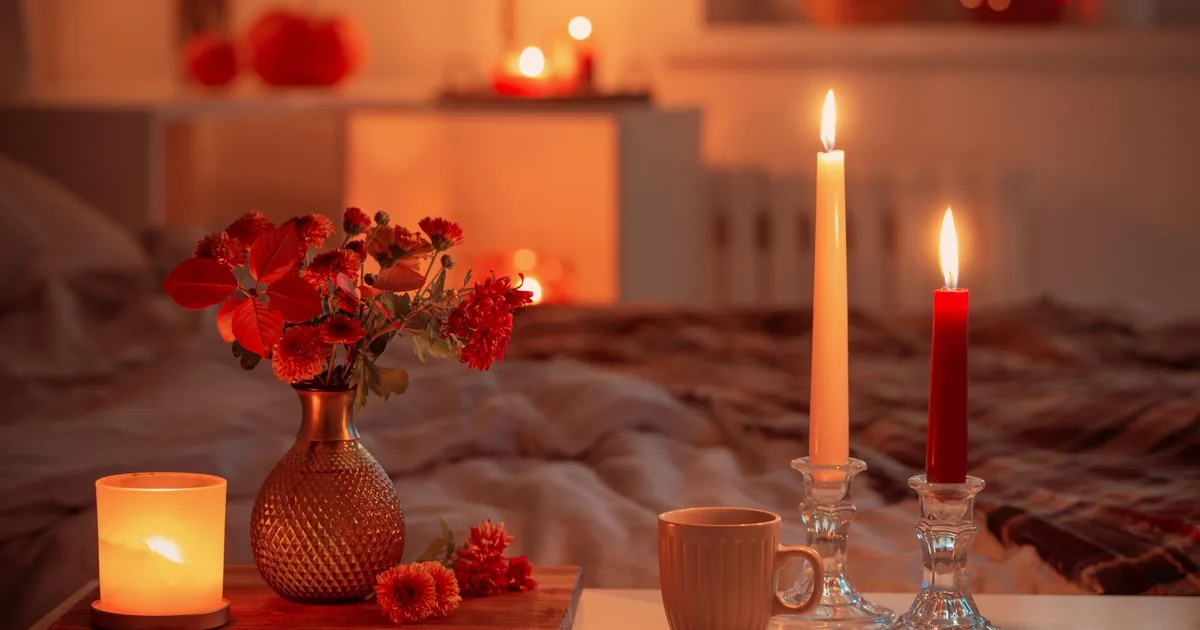
Feng Shui as a Path to Yourself: Harmony Begins with Intention
When we talk about feng shui, it is important to remember: it is not a set of rigid rules or a magic pill for all problems. It is rather a language through which space speaks to our subconscious. By mastering it, you learn to hear not only the home but also yourself. EXETERIC practices remind us: true transformation happens not when you rearrange furniture according to instructions, but when you fill every corner with conscious intention. Do not be afraid to make mistakes or deviate from the canon — your intuition and comfort should always be your main advisors.
Feng shui does not require blind faith or fear of "wrong" zones. It invites you to view your dwelling as a reflection of your inner world. If you feel stagnation in your affairs — perhaps it is time to clear the clutter in the hallway. If relationships have grown cold — add warm shades to the bedroom. This is not an esoteric ritual but a practical way to establish a dialogue with your own life. The EXETERIC guide to esoterics teaches exactly this approach: calm, thoughtful, without fanaticism.
Perhaps you are just beginning your journey and feel slightly confused by the abundance of advice. This is normal. Start small: choose one zone that resonates with you the most and work with it. Listen to your feelings after the rearrangement. Notice how your mood and energy change. Over time, you will develop your own style that works specifically for you. And if you want to go deeper, check out other practices in the EXETERIC blog — there you will find inspiration for new steps.
Do not forget about the connection with the cosmos: astrology can tell you which energies are especially active for you during a given period. Check your zodiac sign in the astrology section — perhaps you will discover unexpected clues for harmonizing your home. But remember: the stars only suggest, and the choice is always yours.
Feng shui is not an escape from reality but a way to make it more conscious. It teaches you to notice details, value order, and create beauty around yourself. Do not wait for instant miracles — instead, enjoy the process. Every time you light a candle in the love zone or place a fresh flower on your desk, you put a piece of your soul into the home. And the home responds to you with warmth and coziness.
May your home become a place of power where you recover after a hard day, where bold ideas are born and warm feelings grow stronger. And may feng shui be not a dogma but a gentle helper on this path. Practice with respect for ancient knowledge, but with lightness in your heart — and then the space will surely respond to you in kind.
Frequently Asked Questions
Where should I start if I have never practiced feng shui?
Start by cleansing the space: throw away or give away everything you have not used for more than a year. Then air out the rooms and do a wet cleaning — this will remove stagnant energy. After that, you can proceed to arranging furniture, but do not try to tackle everything at once. Choose one room, for example the bedroom, and put it in order according to the basic principles: the bed is not opposite the door, mirrors do not reflect sleeping people, there are no sharp corners pointing at the bed. Gradually, step by step, you will master the basics and feel changes in your well-being.
What colors are best for the bedroom according to feng shui?
For the bedroom, calm, muted tones are ideal: pastel beige, soft blue, light pink, or lavender. They promote relaxation and healthy sleep. Avoid bright, saturated colors such as red or orange — they stimulate the nervous system and can cause insomnia. Also, do not use overly dark colors, such as black or dark brown — they feel oppressive and create a gloomy atmosphere. If you want to add an accent, use textiles or decor, but the main background should be neutral and soothing.
Can artificial plants be used in feng shui?
Artificial plants are acceptable, but only if they look natural and are always clean. However, live plants are preferable, as they carry real growth energy and purify the air. If you choose artificial ones, avoid dusty or damaged specimens — they attract stagnation. It is best to place them in zones that need stimulation, such as the wealth or career zone. But remember: nothing can replace a living green friend that fills the home with life force.
How can feng shui help attract love into my life?
To attract love, activate the southwest sector of the home — the zone of love and marriage. Place paired items there: two red candles, figurines of mandarin ducks, or two pillows. Use pink and red colors in the decor — they symbolize passion and tenderness. It is important that there are no single items, photographs of lonely people, or broken things in this zone. Also, maintain cleanliness and order in this place. Remember that feng shui only creates favorable conditions for a meeting but does not guarantee it — be open to new acquaintances and do not withdraw into yourself.