Sleepwalking and somnambulism: what happens to a person during sleep
Sleepwalking: Between Myth and Reality
Sleepwalking is one of the most mysterious phenomena of the human psyche. We are accustomed to seeing something mystical in it: a person gets up in the middle of the night, walks, talks, performs actions, and in the morning remembers nothing. It is no wonder that many legends and superstitions have formed around somnambulism (the scientific name for this condition). But what actually happens to a person during sleepwalking? Why do some people only see sleepwalkers in movies, while others risk encountering them in the kitchen every night? And most importantly — how to distinguish a real problem from fiction and help yourself or loved ones? Let us figure it out calmly and without fear.
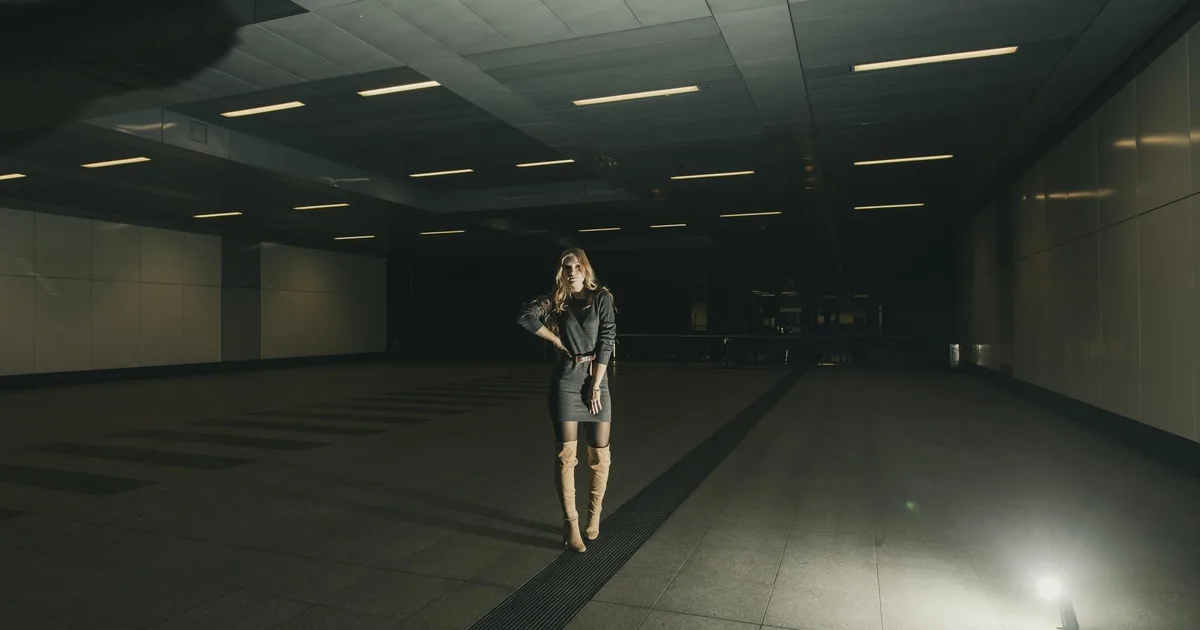
From the point of view of esotericism, sleep is a journey into the subtle worlds, where the boundaries between the conscious and the unconscious are erased. Sleepwalking, in turn, is a special state when the soul seems to get stuck on the threshold between worlds: the body is awake, but the consciousness is still asleep. But let us not rush to conclusions — first, let us turn to the facts.
What is sleepwalking and how does it manifest
Sleepwalking (or somnambulism) is a sleep disorder in which a person performs automatic actions while in a state of partial awakening. Most often this happens during the phase of deep slow-wave sleep, usually in the first third of the night. A sleepwalker may sit on the bed, walk around the room, open windows, even go outside — while their eyes are open, but their gaze is "glassy," uncomprehending. Movements are usually clumsy, but the person can navigate around obstacles and perform habitual actions.
How does sleepwalking manifest? Symptoms vary: from harmless muttering to complex manipulations. Some sleepwalkers rearrange furniture, others cook food, and still others try to leave the house. After waking up, they remember nothing, and if they are awakened at that moment — they may become frightened or show aggression. Interestingly, sleepwalking in children occurs much more often than in adults: according to statistics, about 30% of children have walked in their sleep at least once, but by adolescence this usually passes.
In the esoteric tradition, it is believed that during sleepwalking a person contacts other planes of existence, and their actions are a reflection of internal conflicts or even messages from the subconscious. But before looking for a mystical subtext, it is important to rule out medical causes.
Causes of sleepwalking: why people walk in their sleep
The causes of sleepwalking are still not fully understood, but scientists identify several key factors. Among them:
- Lack of sleep and disrupted sleep schedule.
- Stress and emotional overstrain.
- Heredity: if parents suffered from somnambulism, the likelihood increases.
- Taking certain medications, alcohol, drugs.
- Febrile conditions, especially in children.
- Restless legs syndrome, apnea, and other sleep disorders.
Causes of sleepwalking in adults are often associated with psychological problems: anxiety, depression, post-traumatic stress disorder. A change in time zones or working night shifts can also trigger an episode. Interestingly, the full moon — a popular myth — does not actually affect the frequency of episodes, although the name "sleepwalking" comes from the Latin "luna" (moon). In ancient times, it was believed that the moon affects the brain, but modern research does not confirm this.
From the point of view of energy, sleepwalking can be a consequence of an imbalance in the energy centers — the chakras. When a person does not harmonize their internal vibrations, their subconscious tries to "catch up" on what was missed during sleep, which manifests in motor activity. But this is only one of the interpretations.
Sleepwalking in children: features and what parents should do
Sleepwalking in children is a fairly common phenomenon. The peak occurs between the ages of 4 and 12. Young children may get up, walk around the room, talk, but not wake up. Most often this is associated with the immaturity of the nervous system: the brain has not yet learned to fully "switch off" motor centers during sleep. Sleepwalking in children causes can also be psychological: overload at school, conflicts in the family, excessive impressionability.
What to do if your child is a sleepwalker? First of all — do not panic. In most cases, sleepwalking in children resolves on its own by adolescence. But it is important to ensure safety: remove sharp objects, close windows, install grilles if the child could go out onto the balcony. Do not wake them — this could frighten them. It is better to gently take them by the hand and lead them back to bed.
If episodes happen frequently and prevent the child from getting enough sleep, it is worth seeing a doctor. Treatment of sleepwalking in children may be needed — usually this involves correcting the daily routine, reducing stress, and sometimes psychotherapy sessions. From the point of view of esotericism, calming rituals before bed are beneficial for children: a warm bath with lavender, reading kind fairy tales, meditating on calm breathing. This helps tune the child's energy to harmonious sleep.
Sleepwalking in adults: when to sound the alarm
Sleepwalking in adults is less common — in about 2-3% of people. If it appears suddenly, it can be a signal of serious problems: brain tumors, epilepsy, side effects of medications. Therefore, at the first episodes in an adult, a consultation with a doctor — a neurologist or somnologist — is necessary.
Sleepwalking in adults causes and treatment require careful diagnosis. The doctor may prescribe polysomnography — a sleep study that will show what happens to the brain during an episode. If no organic pathologies are found, treatment of sleepwalking in adults comes down to psychotherapy, hypnosis, and sometimes medication therapy. It is important to remember: sleepwalking is not a sentence, and in most cases it can be corrected.
In esotericism, it is believed that sleepwalking in adults may indicate a strong internal conflict that a person suppresses while awake. The subconscious "breaks through" to the surface in the form of nighttime wandering. Mindfulness practices, keeping a dream journal, working with a psychologist or spiritual mentor can help resolve these conflicts.
Sleepwalking why you cannot wake: truth and fiction
There is a persistent myth: if you wake a sleepwalker, they may die, go insane, or fall into a coma. In reality, this is not true. Sleepwalking why you cannot wake — is a question of safety, not mysticism. A sudden awakening can cause severe fright, disorientation, and aggression in a person. They may not understand where they are and accidentally harm themselves or you. Therefore, it is better not to wake a sleepwalker, but to gently guide them back to bed.
Why sleepwalkers cannot be woken during sleepwalking? Because they are in a deep stage of sleep, and sudden intervention can disrupt the cycle, causing headaches, anxiety, or even a panic attack. But if a real danger arises (for example, a person is walking onto a roadway), it is necessary to wake them, but very carefully — preferably with a loud voice or a touch, but not by shaking or shouting.
People say that you cannot wake a sleepwalker so as not to "damage their soul," which is traveling at that moment. From an esoteric point of view, during sleep the soul can separate from the body, and a sudden return can be traumatic. Therefore, it is better to act gently, as when returning a "lost" soul.
Sleepwalking treatment: how to get rid of nighttime walking
Many people ask the question: how to get rid of sleepwalking? The first step is to see a doctor to rule out organic causes. If the problem is psychological, the following methods will help:
- Normalizing sleep: go to bed and wake up at the same time, sleep at least 7-8 hours.
- Reducing stress: yoga, meditation, breathing practices.
- Avoid alcohol and heavy food before bed.
- Create a safe environment in the bedroom.
- Psychotherapy, especially cognitive-behavioral therapy.
Treatment of sleepwalking in adults may also include hypnosis — this helps "reprogram" the subconscious. In some cases, sleeping pills or antidepressants are prescribed, but their use must be strictly under medical supervision. Sleepwalking treatment with folk remedies — for example, herbal teas with lemon balm or valerian — can be auxiliary, but does not replace professional help.
From an esoteric point of view, it is important to work with the energy of sleep. Before going to bed, it is useful to cleanse the aura: take a salt bath, light an aromatic candle, meditate on calmness. You can also use protective stones, for example, amethyst — it promotes deep and restful sleep.
Sleepwalking in the army and other special conditions
Sleepwalking in the army is a special topic. Military personnel often experience stress, lack of sleep, and schedule changes — all of this provokes somnambulism. In the army, sleepwalking can be dangerous: a person with a weapon in their sleep is a threat to fellow soldiers. Therefore, conscripts with pronounced sleepwalking may be declared partially fit or unfit for service. If sleepwalking is detected during service, the soldier is referred to a doctor, and if the diagnosis is confirmed, they may be discharged.
Interestingly, in the esoteric tradition, sleepwalking in the army is seen as a sign of strong internal tension, when a person cannot "switch off" even during sleep. This is a signal of the need to reconsider one's life attitudes and find ways to relieve stress.
Myths about sleepwalking: from antiquity to the present day
Sleepwalking is shrouded in many myths. Let us look at the most common ones in the table.
| Common myth | Why this is not so | How it really is |
|---|---|---|
| Sleepwalkers only walk during the full moon | No scientific evidence of a connection with lunar phases | Episodes can occur on any night, regardless of the lunar cycle |
| Sleepwalkers do not remember their actions | Most often they do not remember, but there are exceptions | The majority indeed do not remember, but some may recall fragments |
| Sleepwalking is a sign of mental illness | In most cases it is not related to psychiatry | Most often it is a functional sleep disorder |
These myths prevent us from understanding the nature of the phenomenon and creating the right attitude toward sleepwalkers. It is important to remember: sleepwalking is not "possession" and not "the evil eye," but a condition that can be corrected.
Sleep and sleepwalking: how sleep phases and somnambulism are connected
To understand sleepwalking, one needs to understand the structure of sleep. At night, we go through several cycles, each of which includes phases of slow-wave and REM sleep. Somnambulism occurs in the phase of deep slow-wave sleep, when the brain is in a state close to wakefulness, but consciousness is still "asleep." At this moment, motor centers are activated, and the person begins to act.
Sleep sleepwalking is not the same as dreaming. A sleepwalker does not "see" a dream; they act automatically. Therefore, attempts to wake them with the words "you are asleep" are often unsuccessful — they do not hear or do not understand. During sleepwalking, a person can perform actions that were habitual for them while awake: for example, if they are a cook, they may go cook; if a teacher, they may "conduct a lesson."
In esotericism, it is believed that during sleepwalking a person can receive important messages from the subtle world, but due to the lack of awareness, they cannot remember them. Lucid dreaming practices help one learn to "wake up" within a dream and use this state for self-knowledge.
Sleepwalking at one year old: when it begins and whether it passes
Many parents notice that their child begins to walk in their sleep at about one year old. Sleepwalking at one year old is not uncommon, although the peak usually occurs at 4-6 years. At this age, the nervous system is still immature, and a child may react to overwork or stress with nighttime walking. If sleepwalking at one year old manifests rarely and is not accompanied by other symptoms, there is no cause for concern. By adolescence, as a rule, everything passes.
But if episodes are frequent and the child could get injured, it is worth seeing a neurologist. It is also important to maintain sleep hygiene: put the child to bed at the same time, avoid active games before bed, and create a calm atmosphere.
From an esoteric point of view, sleepwalking at one year old can be a sign that the child has heightened sensitivity to subtle energies. Such children often see "unusual dreams" or communicate with invisible entities. It is important for parents not to frighten the child, but to gently direct their energy into a harmonious channel.
Sleepwalking in teenagers: adolescence and nighttime adventures
Sleepwalking in teenagers is a common phenomenon associated with hormonal changes and emotional instability. Teenagers may walk in their sleep in response to stress from exams, conflicts with parents, or first love. Usually this passes on its own, but if sleepwalking in teenagers is combined with aggression or self-harm, professional help is needed.
It is important for parents not to mock the teenager and not to punish them for nighttime "antics." It is better to calmly discuss the problem and offer help. From an esoteric point of view, sleepwalking in teenagers is a way for the subconscious to cope with internal storms. Grounding practices will help: walks in nature, sports, creativity.
How to treat sleepwalking: advice from a doctor and an esotericist
If you are looking for an answer to the question "how to treat sleepwalking," start with a visit to a doctor. Only a specialist can prescribe the right treatment. But there are also additional methods that can be used at home.
First, establish a sleep schedule. Go to bed and wake up at the same time, even on weekends. Second, create a bedtime ritual: a warm shower, reading, meditation. Third, avoid caffeine and alcohol after lunch.
From an esoteric point of view, it is useful to visualize a protective cocoon around yourself before bed. Imagine that you are surrounded by golden light that protects you from negative influences. You can also use aromatherapy: lavender, chamomile, and sandalwood promote deep relaxation.
If sleepwalking is caused by stress, stress management techniques will help: breathing exercises, progressive muscle relaxation, keeping an emotion journal. It is important to learn to let go of negativity so that it does not accumulate in the subconscious.
Signs of sleepwalking: how to recognize and what to do
Signs of sleepwalking can be obvious, but sometimes they are difficult to notice. The main symptoms:
- A child or adult sits up in bed with open eyes but does not react to those around them.
- Walks around the room, performs habitual actions (dressing, eating, cleaning).
- Talks in their sleep, but their speech is incoherent.
- After the episode, returns to bed and continues sleeping, and in the morning remembers nothing.
If you notice such signs, do not panic. Write down when episodes occur, what precedes them, and see a doctor. Polysomnography may be needed.
In esotericism, it is believed that sleepwalking can be a sign that a person is not in harmony with their soul. Working on oneself, self-knowledge, and spiritual practices will help restore balance.
Is there sleepwalking: how to distinguish reality from simulation
Sometimes people ask: is there sleepwalking really, or is it a fabrication? Yes, sleepwalking is a real disorder recognized by medicine. But there are cases when people simulate sleepwalking to justify their actions. For example, in criminal practice, there are cases where criminals claim they committed a crime in their sleep. However, an expert examination can distinguish real sleepwalking from simulation: during a real episode, the brain is in a specific state that is recorded on an EEG.
From an esoteric point of view, sleepwalking is not just a "disease," but a special state of consciousness that can be used for spiritual growth. Some practitioners use somnambulistic states to obtain information from the subtle world, but this requires high training and awareness.
Sleepwalking 2008: what changed in understanding
In 2008, a landmark event occurred: the journal "Sleep" published research results showing that sleepwalking can occur not only in deep sleep but also in other phases. This changed the understanding of the mechanisms of somnambulism. Also in 2008, new recommendations for the treatment of sleepwalking were released, which emphasized the importance of psychotherapy.
For esotericists, 2008 was the year when science came closer to understanding that sleep is not just rest, but a complex process involving all levels of consciousness. This strengthened the connection between scientific and esoteric approaches to the study of dreams.
Night of sleepwalking: how to get through it and help
If you witness a night of sleepwalking in a loved one, it is important to act correctly. First of all, remain calm. Do not shout or shake the sleepwalker. Gently take them by the hand and say something soothing, for example: "You are safe, go to sleep." Lead them back to bed and make sure they are comfortable.
If the sleepwalker is aggressive, do not get into conflict with them. Try to move them away from dangerous objects and call a doctor if the situation gets out of control. After the episode, do not discuss it with the sleepwalker if they do not remember — this could cause anxiety.
From an esoteric point of view, a night of sleepwalking is a time when a person is especially vulnerable to negative energies. Therefore, it is useful after an episode to cleanse the space: light a candle, walk through the room with incense, read a prayer or mantra.
Sleepwalking doctor: which specialist to consult
If sleepwalking is suspected, you should consult a somnologist or neurologist. A somnologist specializes in sleep disorders and will conduct the necessary examinations. In some cases, a consultation with a psychiatrist may be needed if sleepwalking is associated with psychological problems.
The doctor will take a medical history, ask about the frequency of episodes, lifestyle, and medications taken. They may prescribe polysomnography — an overnight study during which brain waves, eye movements, and heart rate are recorded. This will help accurately diagnose sleepwalking and rule out other disorders.
From an esoteric point of view, a doctor is only one of the helpers. It is also important to consult a spiritual mentor or practitioner who can help understand the energetic causes of sleepwalking.
Is sleepwalking curable: prognosis and prospects
Is sleepwalking curable? In most cases, yes. In children, it often resolves on its own. In adults, the prognosis depends on the cause. If sleepwalking is caused by stress or overwork, lifestyle correction and psychotherapy give good results. If the cause is organic brain damage, treatment will be aimed at the underlying disease.
It is important to remember that sleepwalking is not a sentence. Many people live with it and successfully control the condition. The main thing is not to ignore the problem and to seek help in time.
From an esoteric point of view, sleepwalking can be an opportunity for spiritual growth. By learning to be aware of one's actions during sleep, a person can gain access to the deep layers of the subconscious and use this for self-knowledge. Lucid dreaming practices and meditation will help with this.

The Path to Mindfulness: How to Befriend Your Sleep
Sleepwalking is not a sentence and not a mystical curse, but merely one of the manifestations of the complex and multifaceted nature of a human being. When we stop fearing the unknown and begin to explore it with respect and curiosity, we open the door to deep self-knowledge. Esotericism, as the art of seeing the invisible, helps us not only explain phenomena such as somnambulism but also use them as keys to understanding ourselves.
If you have encountered sleepwalking in yourself or loved ones, remember: this is not a reason to panic, but a signal that your subconscious is trying to tell you something. Perhaps it is time to slow down, listen to your internal rhythms, and establish contact with yourself. Mindfulness practices, meditation, and energy work — these are all tools that help harmonize your state and restore balance between body and spirit. On this journey, you can rely on the practices of EXETERIC, which offer gentle and effective methods for working with sleep and the subconscious.
Do not be afraid to explore your dreams and nighttime states. After all, it is there, in the silence of the night, that answers to many questions are hidden. Astrology can also shed light on your individual characteristics: perhaps your zodiac sign indicates a predisposition to sensitive sleep or how best to restore your strength. Take a look at the astrology section to learn more about yourself.
If you want to delve deeper into the topic and find more practical advice, refer to other articles about magic and self-knowledge in the EXETERIC blog. There you will find many materials that will help you better understand yourself and the world around you.
Remember: you are the creator of your reality, and even the most mysterious phenomena can become your allies on the path to harmony. Approach sleepwalking not as a problem, but as an opportunity to look deep within yourself. And may your sleep be peaceful and your awakening joyful.
Frequently Asked Questions
Can a sleepwalker harm themselves or others?
Yes, a sleepwalker can accidentally injure themselves, for example, by tripping or bumping into furniture, or go outside to a dangerous place. In rare cases, aggressive actions toward others are possible, especially if the person is suddenly awakened. Therefore, it is important to ensure a safe sleeping space: remove sharp objects, close windows and doors, and install grilles if necessary. If sleepwalking episodes are frequent and accompanied by aggression, it is worth seeing a doctor to select treatment.
Is it true that sleepwalkers only walk during the full moon?
No, this is a common myth. Scientific research does not confirm a connection between lunar phases and the frequency of sleepwalking episodes. Somnambulism can occur on any night, regardless of the lunar cycle. The name "sleepwalking" comes from the Latin word "luna" (moon), but this is merely a historical legacy, not a real dependency. Most often, episodes are triggered by stress, lack of sleep, or other factors unrelated to the moon.
How to distinguish sleepwalking from other sleep disorders?
Sleepwalking is characterized by a person getting out of bed and walking while in a state of partial awakening, usually in the first third of the night. Their eyes are open, but their gaze is "glassy," and they do not respond to being addressed. Unlike nightmares, which occur during the REM phase, sleepwalking happens in deep slow-wave sleep. Also, a sleepwalker does not remember their actions after waking up. For an accurate diagnosis, a doctor may prescribe polysomnography — a sleep study that will help distinguish sleepwalking from other disorders such as epilepsy or panic attacks during sleep.
Can a sleepwalking episode be prevented?
It is difficult to completely prevent sleepwalking, but the risk of its occurrence can be reduced. To do this, it is important to maintain a sleep schedule: go to bed and wake up at the same time, sleep at least 7-8 hours. Avoid stressful situations before bed, and do not consume alcohol or caffeine in the afternoon. Create a relaxing bedtime ritual: a warm bath, reading, meditation. If sleepwalking is caused by medication, discuss with your doctor the possibility of changing the drug. It is also useful to practice relaxation techniques and keep a sleep diary to identify triggers.