Lunar calendar of the gardener: 12 sowing rules by moon phases
Why the Gardener's Lunar Calendar Works: Astrology, Not Superstition
The Moon is the closest celestial body to Earth in the Solar System, and its gravitational influence on water and tides is a scientific fact. Plants are 80–95% water, so it's logical that the rhythms of our satellite affect sap movement, cell division, and growth energy. This is the foundation of the gardener's lunar calendar—not mysticism, but observable cyclicality. Astrology here serves as a language to describe these rhythms: the Moon passes through the zodiac signs, changes phases, and each period is favorable for certain tasks and neutral for others.
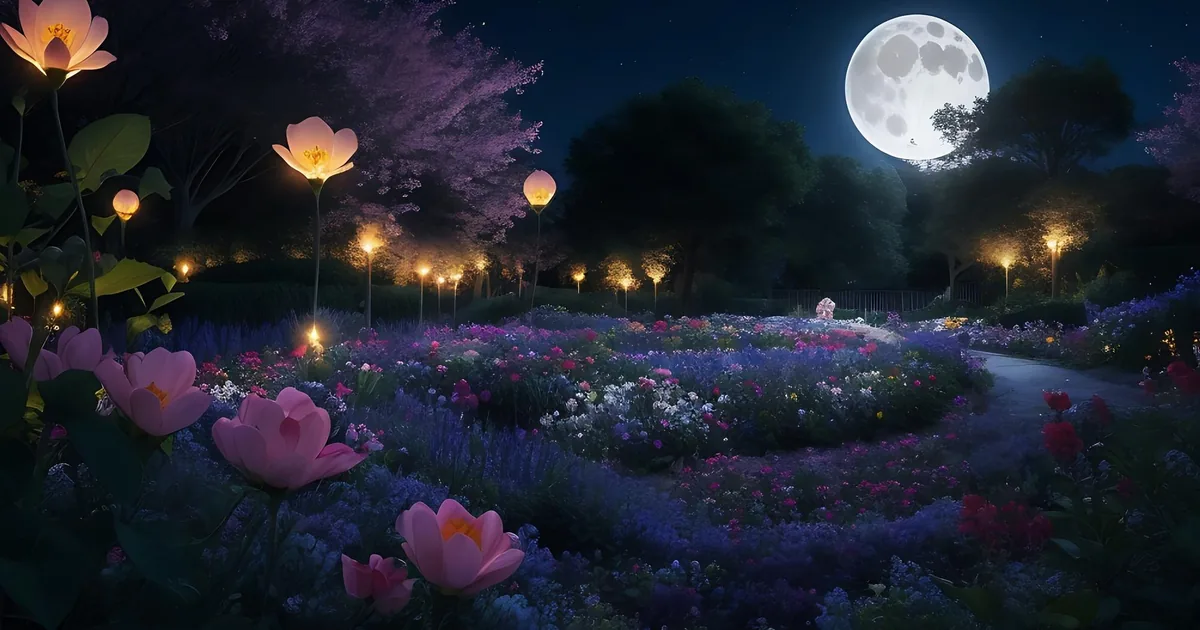
In the astrology section, we've already discussed how lunar cycles affect human emotions and the body. The same logic applies to plants: they are living beings that respond to subtle vibrations. The twelve rules we've gathered are not a dogma, but a map. It helps not to "appease the Moon," but to synchronize your actions with natural rhythms and feel less tired from gardening.
The first and foremost principle: the gardener's lunar calendar is a tool for mindfulness. You're not guessing "will it sprout or not," but choosing the moment when the plant itself is reaching upward. July and August are a hot season: it's during these months that gardeners most often make mistakes with sowing and then are surprised by the sprouts. Therefore, we will now break down the phases, zodiac signs, and specific rules for the summer months of 2026.
The Four Lunar Phases: What Happens to Plants
The phase is the foundational level. Before looking at the zodiac sign, determine which quarter the Moon is in. It's like the foundation of a house: without it, any subtleties are meaningless.
New Moon—the Moon is not visible, energy goes into the roots. Plants slow down, sap concentrates in the underground part. This is a time of rest: you cannot sow, but you can plan, prepare soil, and clean equipment. Waxing Moon—from new moon to full moon—energy rises upward. Ideal for sowing everything that yields an above-ground harvest: greens, tomatoes, cucumbers, flowers. Full Moon—the peak of sap movement, plants are brimming with energy. This is a turning point: it's best not to touch anything for a day before and after. Waning Moon—energy goes down, towards the roots. Time for root vegetables: carrots, beets, radishes, potatoes, as well as pruning and pest control.
Here's a clear table to help you avoid confusion:
| Lunar Phase | Energy Movement | What to Sow and Do | What to Avoid |
|---|---|---|---|
| New Moon | Into roots, rest | Planning, soil preparation, cleanup | Sowing, planting, transplanting |
| Waxing | Upward, to leaves | Greens, tomatoes, cucumbers, flowers, trees | Root pruning, harvesting root crops |
| Full Moon | Peak, overflow | Light loosening, weeding | Sowing, pricking out, pruning |
| Waning | Downward, to roots | Root crops, bulbs, pruning, pest control | Sowing "tops," pricking out |
Note: the gardener's lunar sowing calendar always starts with the phase, and only then is refined by the sign. If you're a beginner, work only by phases for the first six months—it's enough to see the difference. Many gardeners report that carrots sown during the waning Moon sprout more evenly and store longer. This isn't magic, but physiology: during the waning phase, the turgor of the root system is higher, and the seed germinates downward faster.
Zodiac Signs and Elements: Fine-Tuning the Sowing
Once the phase is determined, look at which sign the Moon is in. Here, the principle of elements works: fire, earth, air, water. Each element gives its own "coloring" to the day.
Earth (Taurus, Virgo, Capricorn)—the best days for sowing and planting. Moon in earth gives stability, strong roots, and storable harvests. Water (Cancer, Scorpio, Pisces)—fertile but moist days: good for greens and moisture-loving crops, but not for harvesting for storage. Fire (Aries, Leo, Sagittarius)—dry, hot days. Suitable for weeding and pest control, but not for sowing—seeds may "burn." Air (Gemini, Libra, Aquarius)—neutral to dry days: good for loosening, hilling, and seed collection.
Here's a comparison of myths and reality that dispels unnecessary fear:
| Common Myth | Why It's Not So | How It Really Is |
|---|---|---|
| "You can only sow on a perfect day, otherwise everything will be lost" | Plants aren't that fragile, and weather is more important | The lunar calendar increases chances but doesn't replace agronomy |
| "During the new moon, you shouldn't even approach the beds" | The prohibition applies only to sowing and transplanting | Plan, prepare soil, repair tools—this is beneficial |
| "Moon in Cancer is always a perfect day" | Moist days aren't good for all crops | For root crops, earth is better; for greens, water |
If you want to understand more deeply how astrology describes the influence of planets on everyday life, check out other practices in the EXETERIC blog—we cover similar topics without esoteric pathos. And now let's move on to specific rules that can be applied this season.
12 Sowing Rules by Lunar Phases: A Practical Guide
These rules are compiled from years of observations and astrological tradition. They require no special tools—only attention and a calendar.
Rule 1. Do not sow or transplant during the new moon and full moon (±1 day). These are "dead zones" for the root system.
Rule 2. Sow everything that grows upward (greens, tomatoes, cucumbers, peppers, flowers) during the waxing Moon. The closer to the full moon, the more active the sprouts.
Rule 3. Sow everything that grows downward (carrots, beets, radishes, potatoes, bulb onions) during the waning Moon.
Rule 4. Moon in Taurus, Virgo, Capricorn—universally successful days for any sowing. These are the "golden" windows of the month.
Rule 5. Moon in Cancer, Scorpio, Pisces—water and feed, but do not harvest for long-term storage.
Rule 6. Moon in Aries, Leo, Sagittarius—weed and treat for pests, but do not sow.
Rule 7. Moon in Gemini, Libra, Aquarius—loosen, hill, collect seeds. Sowing is neutral.
Rule 8. Prick out and transplant seedlings only during the waxing Moon in earth or water signs.
Rule 9. Prune trees and shrubs during the waning Moon, preferably in fire or air signs.
Rule 10. Begin harvesting root crops for winter during the waning Moon in dry signs (Aries, Leo, Sagittarius, Gemini, Aquarius).
Rule 11. Sowing lawn grass and green manure is more successful during the waxing Moon in Cancer or Taurus.
Rule 12. If the day is "unfavorable" but sowing cannot be postponed—sow in the morning before 12:00, when the Moon is not yet at peak activity.
These twelve rules are the core of the gardener's lunar calendar. They work every year, but are especially useful when you plan the season in advance.
Gardener's Lunar Calendar for 2026: Key Guidelines
The year 2026 offers several favorable windows for sowing. Since the exact dates depend on the Moon's movement, we provide general guidelines that will help you align your plans with the gardener's lunar calendar for 2026.
In spring 2026, the waxing Moon in Taurus and Cancer will open excellent days for sowing tomatoes and peppers for seedlings. The gardener and vegetable grower's lunar calendar for 2026 advises not to rush with February sowing: it's better to wait for a steady waxing phase in March. For root crops, choose the waning Moon in Capricorn and Virgo—these days will yield strong, storable root vegetables.
In summer 2026, the focus shifts to repeat sowings and care. The gardener's lunar calendar for July 2026 will be especially important for those sowing radishes, lettuce, and dill for a second wave. In July, the Moon in Cancer and Scorpio will bring moist, fertile days—ideal for greens. However, the gardener's lunar calendar for August 2026 is already oriented towards harvesting and preserving: the waning Moon in dry signs is the best time for harvesting onions, garlic, and root crops.
If you're looking for the gardener and vegetable grower's lunar calendar for 2026, remember: there is no universal "perfect day." There are windows of opportunity. Your task is to hit them, not to wait for a miracle. For convenience, refer to the gardener's lunar sowing calendar for 2026 in apps or printouts, but always check the phase yourself—this way you train your intuition.
Gardener's Lunar Calendar for July 2026: What to Sow and Do
July is a month of active growth and first harvests. In 2026, the gardener's lunar calendar for July recommends distributing tasks as follows:
At the beginning of the month, during the waxing Moon, resow greens, radishes, and lettuce. The gardener and vegetable grower's lunar calendar for July 2026 notes that the Moon in Cancer and Taurus will give even sprouts. In mid-July, when the Moon is waning, work on root crops: carrots, beets, turnips. The gardener's lunar calendar for July 2026 advises not to forget about fertilizing—during the waning Moon, nutrients are better absorbed by roots.
In the second half of the month, there may be dry days with the Moon in Aries or Leo. This is a time for weeding and pest control. The gardener's lunar sowing calendar for July 2026 warns: do not sow on these days, even if you really want to. It's better to spend energy on caring for already growing crops.
For those planning preserves, the gardener's lunar calendar for July 2026 will be useful for choosing a day to harvest berries and fruits for jam—do this during the waxing Moon so the fruits retain maximum sugar.
Gardener's Lunar Calendar for August 2026: Harvesting and Preparing for Autumn
August is the time to reap the rewards. The gardener's lunar calendar for August in 2026 focuses on harvesting and soil preparation.
During the waning Moon in dry signs (Aries, Leo, Sagittarius), harvest onions, garlic, potatoes, and carrots. The gardener and vegetable grower's lunar calendar for August advises doing this in dry weather so the harvest stores longer. The gardener's lunar calendar for August 2026 also indicates favorable days for sowing green manure—during the waxing Moon in Taurus or Cancer.
If you want to collect seeds, do it during the waning Moon in air signs. The gardener and vegetable grower's lunar calendar for August 2026 recommends not delaying the pruning of raspberries and currants—the best time is after harvest, during the waning Moon.
The gardener's lunar sowing calendar for August is not just about harvesting, but also laying the foundation for the next harvest: sow winter green manure, prepare beds. The gardener's lunar calendar for August 2026 will be useful for those planning autumn plantings: the Moon in Virgo and Capricorn will give strong roots.
How to Use the Lunar Calendar Without Fanaticism: A Mindful Approach
The lunar calendar is a tool, not a religion. If you missed the "perfect" day, don't panic: the plants won't be offended. The main thing is not to turn sowing into an anxious ritual.
Here's a comparison of reactive and mindful approaches:
| Situation | Reactive Approach | Mindful Practice | Result |
|---|---|---|---|
| Missed a favorable day | Panic, sowing at any moment with guilt | Choosing the nearest neutral day, staying calm | Plants sense confidence, sprouts are even |
| Rain on the "perfect" day | Ignoring the weather, sowing in mud | Postponing to the next suitable day | Seeds don't rot, energy is saved |
| Moon in a "bad" sign, but need to water | Refusing to water, stressing the plants | Watering in the morning, without fanaticism | Plants get moisture, you get peace of mind |
Remember: the gardener's lunar calendar for the year is a map, not an order. Your intuition and observation of your own plot are more important than any table. If you feel that today you need to sow—sow, but check the phase. Over time, you will learn to feel the Moon's rhythm without a calendar.
For those who want to delve deeper into self-knowledge through astrology, it's useful to study your zodiac sign—this helps understand personal energy cycles. And if you're interested in dreams that might come before important work in the garden, check out the EXETERIC dream dictionary.
A Specific Case: Sowing Carrots by the Lunar Calendar in 2026
Carrots are a crop that is particularly responsive to lunar phases. Let's look at a specific example for 2026.
In the gardener's lunar sowing calendar for 2026, the best days for carrots are during the waning Moon in Capricorn, Virgo, or Taurus. In 2026, these windows will fall in late April—early May and the second half of July. The gardener's lunar sowing calendar for the year advises sowing carrots during the waning Moon when the Moon is in earth signs—then the root vegetable will be even and sweet.
If you're sowing carrots for winter, wait for the waning Moon in November, but not during the new moon. The 2026 lunar calendar of the gardener notes that winter sowing is best done on dry days so the seeds don't sprout before the frosts.
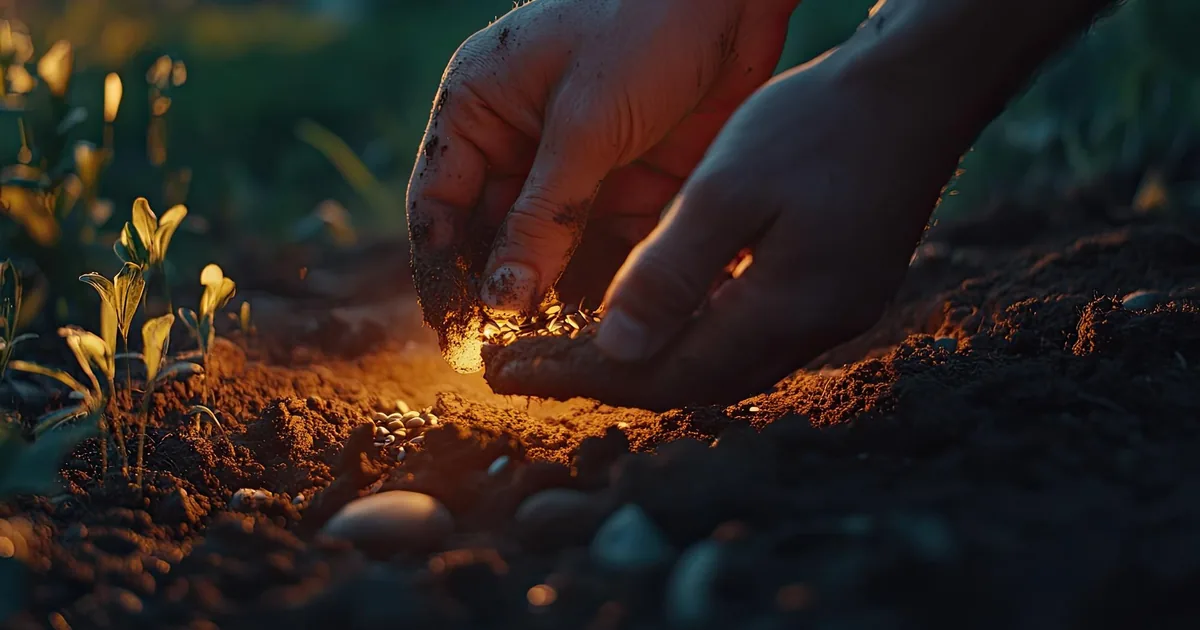
Practical advice: soak carrot seeds in warm water 2–3 days before sowing, and on the day of sowing, look at the Moon. If it's waning and in Taurus or Capricorn—this is your day. Planting depth is 1–2 cm, row spacing is 15–20 cm. After sowing, mulch the bed with peat or compost. This approach, combined with the lunar rhythm, gives even sprouts and uniform root vegetables. And remember: even if the day isn't perfect, your care and attention to the land are the main strength.
The Moon as a Mirror of Your Attention to the Land
We've come a long way: from gravity and tides to twelve specific rules, from phases to zodiac signs and back to simple actions in the garden. And now I want to say the main thing: the lunar calendar is not a magic wand or a strict overseer. It's an invitation to slow down, notice the rhythm that exists independently of us, and gently integrate into it. When you look at the sky before sowing, you're not "appeasing" the Moon—you're talking to nature in its language. And in this conversation, calmness is born, not anxiety.
Esotericism in general—and the lunar calendar in particular—is a tool for self-knowledge and conscious living. It doesn't cancel common sense, doesn't replace agronomy, and doesn't require blind faith. It offers a different perspective: on cycles, on your own body, on fatigue and inspiration. If you learn to feel the lunar phases, you'll start noticing your own rhythms—when you want to create and when you just want to lie on the grass. This is real magic: not controlling the world, but living in harmony with it. At EXETERIC practice, we always emphasize: any esoteric tool is just a map. You are the one walking the path.
Don't be afraid to make mistakes. A missed "perfect" day is not a catastrophe, but a reminder that plants are much more resilient than they seem. Your presence in the garden, your care and attention are far more important. If you want to understand yourself more deeply, look at the astrology section—there we talk about personal cycles and how zodiac signs describe your energy. And if you're drawn to a format of calm exploration, check out other practices in the EXETERIC blog: we write about magic, dreams, and self-knowledge without pathos or scare tactics.
Try one simple thing this season: before sowing, look at the Moon and ask yourself what you feel. If there's doubt—postpone. If there's clarity—sow. Over time, you'll notice that the calendar has become not a list of prohibitions, but a kind companion. And then the garden will transform into a place of power where you don't fight nature, but dance with it. May your path be conscious, warm, and fruitful.
Frequently Asked Questions
Can I sow if the Moon is in an unsuitable sign, but the day is very convenient?
Yes, you can, if you consider the lunar phase and the weather. The zodiac sign is a fine adjustment, not a strict prohibition. If the Moon is waxing and you're sowing greens, but it's in Aries, the sprouts might be slightly less even, but they won't die. The main thing is not to sow during the new moon or full moon, and not to ignore rain or drought. In such cases, it's better to choose morning hours before noon, when the Moon's energy is not yet at its peak. And remember: your confidence and care are more important than the perfect sign.
What if I live in a northern region and the season is short?
In a short season, the lunar calendar becomes especially useful but requires flexibility. Focus on the phases: sow fast-growing crops during the waxing Moon, and root crops during the waning. If a favorable day falls on cold weather, it's better to wait for a warm spell, even if the Moon isn't perfect. Use seedlings and shelters to extend sowing windows. And don't be afraid to deviate from the rules: nature in northern latitudes dictates its own terms. Your observation and local experience are more important here than any table.
Does the Moon affect houseplants the same way it affects garden plants?
Yes, houseplants also respond to lunar rhythms, although the effect is milder due to the stable microclimate. Water and feed them during the waxing Moon in water or earth signs—they will grow more actively. Transplanting is best done during the waxing Moon, and pruning and shaping during the waning. During the new moon and full moon, simply leave them alone, don't disturb them. Observe your flowers: over time, you'll notice they really react differently to different days. This is another way to tune into nature without leaving home.
What should I do if I've missed all the favorable days for sowing?
Don't panic: missing the perfect day doesn't mean the season is a failure. Choose the nearest neutral day when the Moon is not in new or full phase, and sow calmly. If the phase is unsuitable but sowing is critical, do it in the morning and ensure good care: watering, warmth, loosening. Plants are much stronger than we think, and often sprout even on "wrong" days. The main thing is not to sow in haste and irritation, because your state also affects the result. Next time, simply check the calendar in advance to hit the window of opportunity.