Lunar calendar of the gardener: sow and plant on these days
Lunar Calendar of the Gardener: Why the Moon Governs Sprouts
When we speak of the lunar calendar of the gardener, we are not talking about superstition, but about an ancient astrological tradition that links plant growth to the phases of the Moon. The Moon is the celestial body closest to Earth, and its gravitational field literally pulls moisture from the soil and plant cells. At the new moon, sap rushes to the roots; at the full moon, it flows to the tops. This is not mysticism, but physics that astrologers have observed for millennia. This is precisely why the lunar calendar of the gardener and vegetable grower has become a practical tool: it suggests when to sow and when it's better to simply rest and let the earth regain its strength.
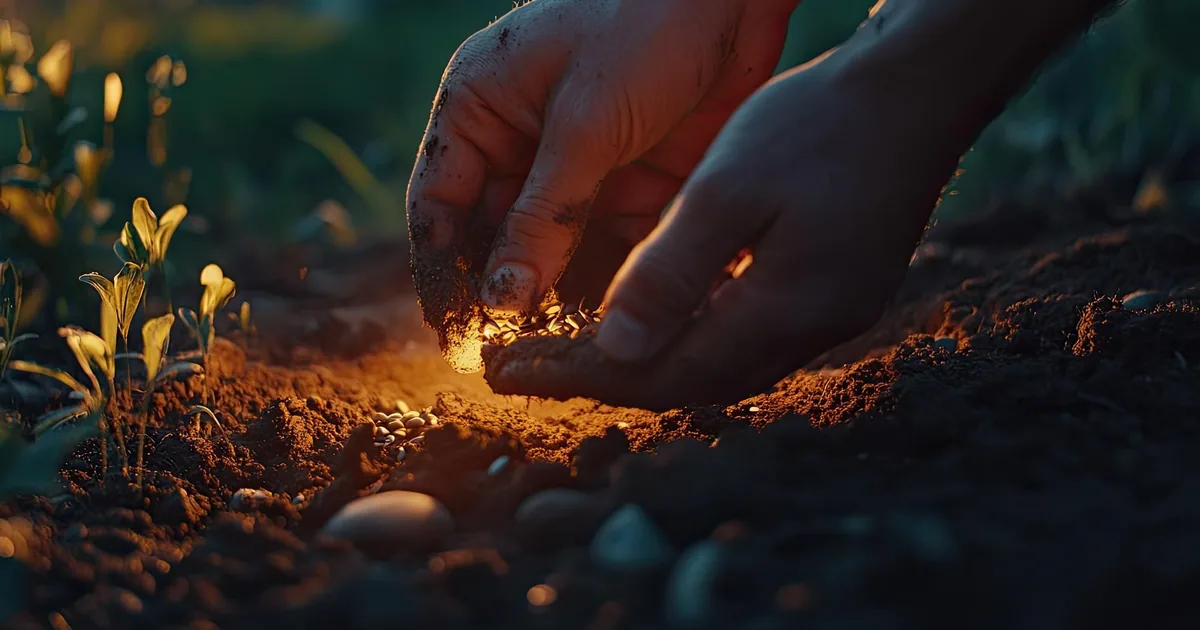
In the esoteric tradition, the Moon symbolizes the feminine principle, fertility, and cyclicity. Each zodiac sign through which the night luminary passes imparts specific qualities to plants: Taurus and Cancer are fertile, Virgo and Capricorn are moderately fertile, while Leo, Aquarius, and Gemini are considered barren. If you want to delve deeper into the astrological foundations, visit the astrology section — there we discuss in detail how planets influence earthly processes. The lunar calendar of the gardener for the year is built precisely on these principles: the Moon's phase plus the zodiac sign give an exact recommendation for each day.
A living example: many gardeners have noticed that potatoes planted during the full moon produce lush foliage but small tubers. But if you plant them during the waning moon in Taurus, the harvest will be large and long-lasting. This is not a coincidence, but the result of the plant's energy being directed to the root, not the leaves. The lunar sowing calendar of the gardener accounts for this too. A practical step: keep an observation journal. Record the sowing date, the Moon's phase, and the result. After just one season, you will see your own patterns that work specifically on your plot.
Moon Phases and What to Do in Each
The lunar calendar of the gardener vegetable grower for 2026 divides the month into four key periods. The new moon is a time of rest. On these days, you should neither sow nor transplant: plants are especially vulnerable, their energy is concentrated in the roots, and any intervention can harm them. However, it is the perfect time for planning, buying seeds, and preparing the soil. The waxing moon is a phase of active growth. Everything that should grow upward — tomatoes, cucumbers, greens, flowers — is sown right now. The waning moon is the time for root crops. Carrots, beets, radishes, potatoes — everything that grows downward is planted on these days. The full moon is the peak of sap movement. Plants are maximally saturated with moisture, so pruning and thinning are not recommended, but harvesting and preserving are perfectly timed.
Here is a clear table to help you orient yourself:
| Moon Phase | What to Sow and Plant | What to Avoid |
|---|---|---|
| New Moon | Nothing. Soil preparation, planning | Sowing, transplanting, pruning |
| Waxing Moon | Greens, tomatoes, cucumbers, flowers, berries | Planting root crops |
| Full Moon | Harvesting, preserving, weeding | Thinning, pruning, pinching |
| Waning Moon | Root crops, bulbous plants, potatoes | Sowing greens and flowers |
The lunar calendar of the gardener for July 2026 will be especially packed: in the middle of the month, the Moon passes through the fertile signs of Taurus and Cancer, which is ideal for resowing greens and radishes. However, the lunar calendar of the gardener for August 2026 advises focusing on harvesting and storing the crop. If you are a beginner, start with a simple rule: "waxing — up, waning — down." This is already enough to improve your results.
Lunar Calendar of the Gardener for July 2026: Exact Sowing Days
July is the height of summer, a time when the first harvest is already gathered, and your hands itch to plant something else. The lunar calendar of the gardener for July 2026 suggests: from July 1 to 3, the Moon is waning in the sign of Pisces — an excellent moment for watering and fertilizing, but not for sowing. From July 4 to 6 — new moon, complete rest. But from July 7 to 14, the waxing moon is in Virgo, Libra, and Scorpio — the best time for sowing quick-maturing crops: lettuce, spinach, dill, as well as for planting strawberries with runners. The lunar calendar of the gardener vegetable grower for July 2026 recommends using these days for taking cuttings of currants and gooseberries as well.
From July 15 to 21 — full moon and the beginning of the waning moon. This is the harvest period: cucumbers, zucchini, and early tomatoes will be especially tasty and juicy. The lunar sowing calendar of the gardener for July 2026 advises using these days to fertilize root crops with phosphorus-potassium fertilizers. From July 22 to 31, the Moon is waning in Taurus, Gemini, Cancer, and Leo. We plant radishes, daikon, turnips, and green onions. Especially auspicious are July 25 and 26 — the Moon is in Cancer, the most fertile sign. The lunar calendar for July 2026 for the gardener notes: if you plant radishes on these days, they will grow large and sweet, without bitterness.
Here is a table with specific recommendations by day:
| Dates in July 2026 | Moon Phase and Sign | Recommended Tasks |
|---|---|---|
| July 1–3 | Waning, Pisces | Watering, fertilizing, loosening |
| July 4–6 | New Moon | Rest, planning, weeding |
| July 7–14 | Waxing, Virgo–Scorpio | Sowing greens, taking cuttings, planting strawberries |
| July 15–21 | Full Moon, waning | Harvesting, preserving, fertilizing root crops |
| July 22–31 | Waning, Taurus–Leo | Planting radishes, daikon, green onions |
The lunar calendar July 2026 for the gardener and vegetable grower is not a dogma, but a guide. If it's a rainy day and the calendar recommends sowing, it's better to wait. And vice versa: on a favorable day, you can get more done. The main thing is to observe your plants and your intuition. The lunar calendar of the gardener for July 2026 will become your assistant if you use it consciously, not blindly.
Lunar Calendar of the Gardener for August 2026: Harvesting and Autumn Plantings
August is a time to take stock and prepare for the next season. The lunar calendar of the gardener for August 2026 begins with the waning moon in Aquarius and Pisces (August 1–5). These are favorable days for harvesting root crops: carrots, beets, and turnips will store well. The lunar calendar of the gardener vegetable grower for August 2026 advises using these days for seed saving and harvesting onions as well. From August 6 to 12 — new moon and waxing moon in Virgo and Libra. It's time to sow green manures: mustard, phacelia, rye. They will improve the soil and enrich it with nitrogen.
From August 13 to 19 — full moon and waning moon. The lunar calendar for August for the gardener and vegetable grower recommends harvesting apples, pears, and plums — they will be maximally juicy. But from August 20 to 31, the Moon is waning in Taurus, Gemini, Cancer, and Leo. This is the best time for planting winter garlic and onion sets. The lunar calendar of the gardener for August 2026 emphasizes: if you plant garlic on August 23–24 (Moon in Cancer), it will overwinter perfectly and produce large bulbs. The lunar sowing calendar of the gardener for August also advises using these days for a deep watering and mulching the beds.
Table for August:
| Dates in August 2026 | Moon Phase and Sign | Recommended Tasks |
|---|---|---|
| August 1–5 | Waning, Aquarius–Pisces | Harvesting root crops, seed saving |
| August 6–12 | New Moon, waxing, Virgo–Libra | Sowing green manures, planting strawberries |
| August 13–19 | Full Moon, waning | Harvesting fruits, preserving for winter |
| August 20–31 | Waning, Taurus–Leo | Planting winter garlic, onion sets |
The lunar calendar of the gardener and vegetable grower for 2026 is a map that helps you not lose the rhythm of nature. In August, it is especially important not to rush the harvest: let the fruits gain strength. The lunar calendar of the gardener for August 2026 reminds that autumn plantings require special attention to timing. If you missed a favorable day, don't worry: the next cycle will begin in two weeks.
Lunar Sowing Calendar of the Gardener and Vegetable Grower: Table of Favorable Days for 2026
For convenience, we have gathered key dates for the entire season. The lunar sowing calendar of the gardener for 2026 takes into account not only the Moon's phases but also the zodiac signs. Here are the main recommendations by month:
| Month 2026 | Best Days for Sowing and Planting | Unfavorable Days |
|---|---|---|
| March | 5–7, 12–15, 22–25 | 1–3, 8–10, 19–21 |
| April | 3–5, 9–12, 19–22 | 1–2, 6–8, 16–18 |
| May | 1–4, 8–11, 17–20, 28–30 | 5–7, 13–16, 24–27 |
| June | 4–7, 12–15, 21–24 | 1–3, 9–11, 18–20 |
| July | 7–14, 22–26, 29–31 | 4–6, 15–18 |
| August | 6–12, 20–24, 27–31 | 1–5, 13–19 |
The lunar calendar of the gardener 2026 is not just a list of dates, but a system that works in conjunction with your intuition and observations. The lunar calendar of the gardener vegetable grower for 2026 recommends starting the season by testing seeds for germination. The lunar calendar of the gardener for 2026 advises paying attention to tomato and pepper seedlings in March: sow them during the waxing moon in Cancer or Scorpio. The lunar calendar of the gardener and vegetable grower for 2026 suggests that April is the time for sowing carrots and beets during the waning moon in Taurus. The lunar calendar of the year for the gardener and vegetable grower for May includes planting potatoes and onions. The lunar calendar of the gardener vegetable grower for 2026 in June is for transplanting seedlings into the ground and sowing cucumbers. The lunar calendar of the gardener sowing for 2026 is generally built on a 29.5-day cycle, so dates shift, but the principle remains unchanged.
If you want to delve into astrological subtleties, for example, learn how the zodiac sign affects the taste of fruits, read other practices on the EXETERIC blog. The lunar sowing calendar of the gardener vegetable grower 2026 is your navigator. But remember: even on an unfavorable day, you can plant a plant if you feel an inner response and do it with love. The lunar calendar of the gardener for the year is just a tool, not a verdict.
How to Use the Lunar Calendar of the Gardener Consciously: Myths and Reality
Many myths have accumulated around the lunar calendar of the gardener. One of them: "If you plant on the wrong day, there will be no harvest." This is not so. The Moon affects the speed of growth and the quality of the fruit, but it does not cancel the laws of biology. Another myth: "The lunar calendar only works for experienced gardeners." In fact, it is even more useful for beginners — it helps systematize work. The third myth: "All recommendations are the same for all regions." No, the lunar calendar of the gardener vegetable grower for 2026 needs to be adapted to the climate: in the south, they sow earlier, in the north — later.
Here is a table that debunks the main misconceptions:
| Common Myth | Why It's Not True | How It Really Is |
|---|---|---|
| "You can't even water during the new moon" | Water doesn't harm if the plant isn't traumatized | Watering is allowed, but without fertilizing or transplanting |
| "The lunar calendar is superstition" | The Moon's gravity affects moisture in the soil and cells | This is an observable pattern confirmed by practice |
| "If the day is unfavorable, all is lost" | Plants have a reserve of resilience | You can plant on another favorable day |
Conscious use of the lunar calendar of the gardener is a dialogue with nature. Start small: choose one crop and follow the recommendations for a season. Record the results. Compare them. The lunar calendar of the gardener for July 2026 and for August 2026 will give you rich material for observation. If you want to understand the deep symbols behind the lunar cycles, visit the EXETERIC dream dictionary — there we analyze how the Moon is reflected in dreams and the subconscious. The lunar calendar of the gardener 2026 is a practice that connects astrology, biology, and intuition.
A Specific Example: How I Grew a Record Carrot Harvest Using the Lunar Calendar
Last season, I decided to conduct an experiment. I planted carrots in two beds: one according to the lunar calendar of the gardener, during the waning moon in Taurus (April 10, 2026), the other when it was convenient, during the waxing moon in Gemini (April 15). The result was surprising: the "lunar" carrots grew even, large, and sweet, while the "ordinary" ones produced many small and crooked root crops. The difference was not only in size but also in storage life: the first harvest lasted until March, the second started to spoil in December.
Why did this happen? During the waning moon, the plant's energy is directed to the root, and Taurus is a sign of fertility and stability. This combination gave the maximum yield. The lunar calendar of the gardener for 2026 recommends exactly these days for carrots. If you want to repeat the success, here is a step-by-step plan: 1) Determine the dates of the waning moon in Taurus, Cancer, or Capricorn. 2) Prepare the bed in advance so that on the favorable day you only have to sow. 3) Sow seeds to a depth of 1–2 cm, water with warm water. 4) Mulch the bed with straw or mown grass. 5) Keep a journal: record the date, the Moon's phase, and the result.
The lunar calendar of the gardener vegetable grower for July 2026 and for August 2026 will also tell you when to harvest so that it stores longer. For example, root crops are best dug up during the waning moon in dry weather. The lunar sowing calendar of the gardener for 2026 is not a magic wand, but a compass. And if you follow it wisely, the harvest will indeed be surprising. And for those who want to understand astrological cycles even deeper, I recommend studying the matrix of fate calculator — there we show how lunar rhythms are connected with personal arcanes. But even without this, simply following the lunar calendar of the gardener for the year will make your garden healthier and your harvest more abundant.

The Lunar Calendar as a Dialogue with the Earth, Not a Manual for Fear
We have come a long way together: from the Moon's gravity pulling moisture from the soil to the specific dates of July and August 2026. But the most important thing I want to say now, at the very end. The lunar calendar of the gardener is not a list of prohibitions or a list of days when you "can't breathe." It is an invitation to a mindful, conscious life where you do not fight nature, but move in the same rhythm with it. Esotericism in general — and lunar cycles in particular — is a tool for self-knowledge, not a panacea, and certainly not a reason for anxiety. If you missed a favorable day — the world did not collapse. If you planted not by the calendar, but by the call of your heart — the harvest will still be there, because plants feel your care more strongly than any tables.
I want you to take away from this article not the fear of making a mistake, but a calm confidence: you can observe, try, record, and draw conclusions. Start with one bed, one crop, one season. Keep a journal, compare results, trust your intuition. This is how true practice is born — not blind following of someone else's advice, but your own experience woven into ancient knowledge. If this approach resonates with you — combining astrology, biology, and live observation — visit the EXETERIC practices, where we carefully analyze esoteric tools and show how to apply them in everyday life without mystical fog and unnecessary pathos.
Want to understand why the Moon in Taurus gives large root crops, and in Gemini — lush greens? Visit the astrology section — there we talk in detail about the elements, signs, and their influence on earthly processes. And if you are interested in how lunar rhythms are reflected in dreams, symbols, and personal cycles, read articles about magic and self-knowledge on our blog. Esotericism does not demand blind faith from you — it offers a language with which you can speak to the world and to yourself. And the lunar calendar of the gardener is one of the warmest and most practical dialects of this language.
May your garden be a place of power, not anxiety. May every sowing become a small ritual of gratitude to the earth. And may the harvest surprise you — not only in size, but also with that sense of connection with nature that you grow in it. Do not be afraid of the unknown — figure it out calmly, try consciously, treat ancient knowledge with respect and a light smile. Then both the Moon, the soil, and your hands will work together.
Frequently Asked Questions
Can I plant and sow if the day is marked as unfavorable in the calendar?
Yes, you can, if you have no other opportunity or if you feel an inner response to do it today. The lunar calendar is a guide that helps choose the optimal moment, but it does not cancel the laws of biology and the power of your care. Plants have a reserve of resilience, and even if planted on an "unsuccessful" day, they will sprout and yield a harvest. The difference is that on favorable days, the sprouts will be more uniform, the fruits larger, and the storage life longer. Therefore, treat unfavorable dates as advice to wait, not as a strict prohibition. If you did plant — don't worry, just give the plant a little more attention.
How can a beginner remember what to sow on the waxing moon and what on the waning moon?
There is a simple rule that works almost always: "waxing — up, waning — down." During the waxing moon, sap rushes to the tops, so we sow everything that should reach for the sky — tomatoes, cucumbers, greens, flowers, berry bushes. During the waning moon, energy goes to the root, so we plant root crops — carrots, beets, radishes, potatoes, onions for bulbs. Remember this connection once, and you won't have to check tables every day. And if you're in doubt, just ask yourself: do I want the plant to grow up or down? The answer will suggest the phase.
Is it true that during the new moon and full moon you absolutely cannot do anything in the garden?
No, this is a myth that frightens beginners more than it helps. During the new moon, you indeed should not sow, transplant, or prune — plants are vulnerable, their energy is concentrated in the roots. But you can and should water, loosen the soil, prepare beds, buy seeds, and plan work. During the full moon, there are also prohibitions: thinning, pinching, and pruning are not recommended because sap movement is at its peak. However, this is the best time for harvesting, preserving, and weeding. The main thing is not to traumatize the plant on these days, and you can do everything else calmly. The Moon does not forbid you to live and work; it only suggests where to be more careful.
Do I need to consider my region when working with the lunar calendar of the gardener?
Definitely, and this is one of the main secrets of success. The lunar calendar gives general recommendations on phases and zodiac signs, but sowing times depend heavily on the climate. In the south, you sow carrots in March, and in the north — in May, and no lunar day will cancel that. Therefore, use the calendar as a second step: first, determine the approximate timing for your latitude, and then choose favorable days within them according to the Moon. If it's a rainy or cold day and the calendar advises sowing — it's better to wait for better weather. A reasonable combination of astrology, biology, and local conditions gives the most sustainable result.