Rite: how a rite differs from a ritual and when it must not be performed
If you ask what is a rite, most people will say: something ancient, with candles and incantations. In fact rite in simple words — is a tradition-fixed way to move from one state to another: from illness to health, from chaos in the house — to order, from anxiety — to clarity. And today we will examine rite meaning which is often confused with theatre, habit, and movie magic. Let's talk calmly: what a rite is is an action with intention, symbol, and order, not a terrible secret.
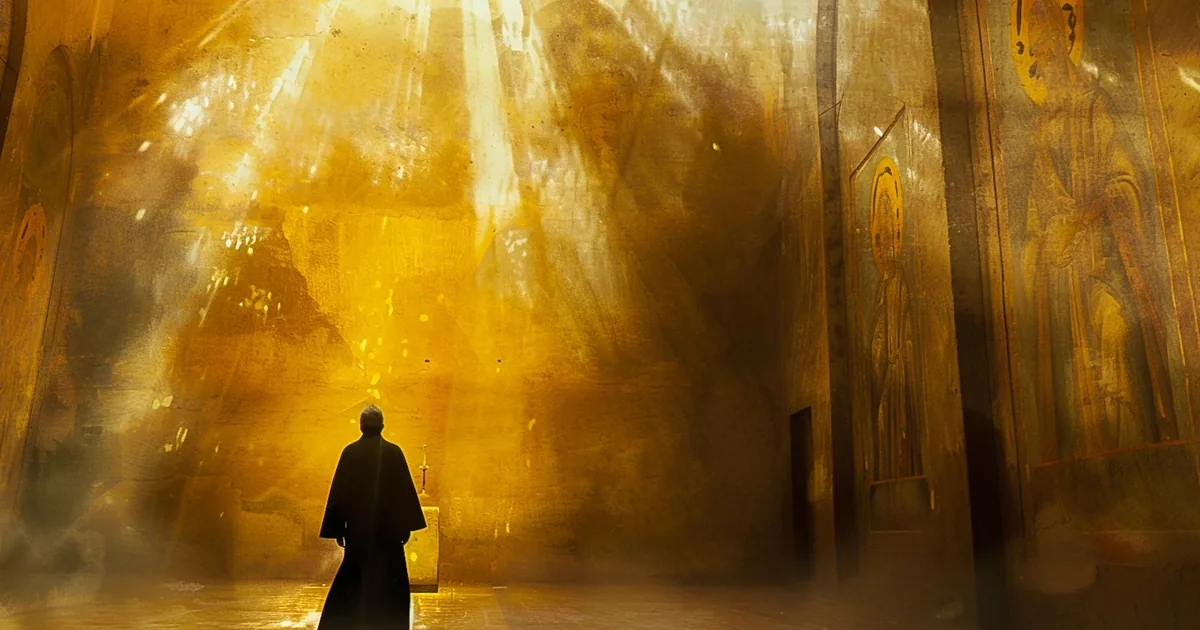
In the magic category we look at a rite as a practice of working with energy and the subconscious: through symbol, word, and body. There are no chosen ones here. There is preparation, respect for tradition, and common sense. Further — in detail: how a rite differs from a ritual, rite: how it differs from a simple family tradition, what spells and rites are, how a real action proceeds and when it is better to postpone it.
Rite meaning and how a rite differs from a ritual
Let's start with the basics. Rite meaning has a transitional one: it marks a threshold. Birth, wedding, housewarming, recovery, farewell, starting a venture — everywhere a marker of "before and after" is needed. Rite in folk tradition is always tied to community and meaning: a person does not just perform actions, he declares to the world and to himself — I am changing.
And how a rite differs from a ritual? Briefly: a ritual is a form, a repeated sequence of actions. A rite is meaning and an event of transition, which may include one or several rituals. A daily lighting of a candle with an intention for the day can be a ritual. But the baptism rite — is already a one-time initiation, a change of status, witnesses, responsibility. Therefore the question of rite vs ritual is resolved like this: ritual sustains a process, a rite completes a transition.
A living example. A girl writes an intention every morning and holds a stone in her hands — this is her personal tuning ritual. And when she moves to a new apartment, gathers friends, washes the floors with salt, lights a candle and says aloud: "this is my home, here I am calm" — this is already a cleansing rite of space. The form is similar, but the weight is different.
Practical step: if you doubt what is in front of you, ask three questions. Is there a transition of status? Are there witnesses or an appeal to a power greater than you (kin, tradition, God, spirits of place)? Is there irreversibility? If two "yes" — it is a rite. If not — a ritual or a habit.
| Common myth | Why it is not so | How it really is |
|---|---|---|
| A rite and a ritual are one and the same | Form and meaning of the event are mixed up | Ritual is a tool, a rite is an event of transition with meaning |
| A rite is always magic | Many rites are social and church ones | Baptism rite, wedding, housewarming work through psychology and tradition |
| The more complex, the stronger | Overload distracts from intention | Strength lies in clarity of intention, order, and respect, not in props |
A look to the root: do not chase spectacular effects. How does a conscious rite proceed? Quietly, collectedly, with understandable words. If inside there is fuss and a desire to impress — this is already a performance. More about rite: how to distinguish a real rite from a performance, we will talk below, and for now remember: a real one always changes your inner state, not just the picture.
Rite, tradition and habit: where is the boundary
The second frequent question: rite: how it differs from a simple family tradition and rite vs tradition in general? A family tradition is what "is customary with us": baking a pie on Sundays, calling mum on the road. There is warmth in this, but there is no threshold and no appeal to a power. Folk rite has its roots precisely where the ordinary becomes sacred through intention and order.
Example: making dumplings with the whole family is a tradition. But Ivan Kupala rites — jumping over the bonfire, wreaths on the water, gathering herbs at dawn — this is already a calendar rite: the time is not chosen by chance, the action is symbolic, the result is cleansing and a forecast for the year. The same with the question of rite: how cleansing is performed in folk tradition: not just "to tidy up", but to sweep the corners, to fumigate with wormwood, to sprinkle with water, to pronounce a verdict — each action fixes the intention.
What to do in practice? If you want to turn a family habit into a supportive rite, add three elements: 1) a clear beginning and end (a candle, words), 2) a symbol of transition (water, bread, threshold), 3) a meaning spoken aloud. Without this it will remain a sweet habit — and that is also good, not everything needs to be sacralized.
Separately about the church context. The baptism rite is often perceived as "so that no evil eye". From the point of view of tradition this is an introduction into the community and a spiritual path, and from the point of view of psychology — a public acceptance of responsibility by parents and godparents. And here the same rule applies: rite: why it must not be violated — because you gave your word. Breaking a promise destroys not "magic", but trust in yourself. If you are interested in how different systems describe transitional periods, take a look at the astrology section — there it is clearly visible why in crisis we seek support in symbols.
Rite: how to perform it: preparation, timing and objects
Let's move to practice: rite: how to perform it and rite: what needs to be prepared, so that everything goes collectedly. The rule is simple: preparation is 80% of the result. The question of rite: why it must not be performed without preparation has a direct answer: without a clear intention, clean space, and a sober state you do not control the process, but improvise at a sensitive moment.
Let's break it down step by step. First — rite: how to choose the time. In folk tradition time is half the meaning: dawn for beginnings, sunset for letting go, full moon for filling, waning moon for cleansing. Calendar dates — Kupala, equinoxes — strengthen the collective field. But your state is more important: do not perform at the peak of a quarrel, illness with fever, in alcoholic intoxication.
Second — rite: what items are needed for performing it. Usually these are the four elements: a candle (fire), water or herbal decoction (water), salt or earth (earth), herbal smoke or a feather (air) plus a symbol of intention — a note, a key, a ring, a broom. No need to buy up the shop. Better one understandable object with which there is a connection than ten unfamiliar ones.
Third — rite: what rules must be observed when performing it. Write the intention in one phrase without the particle "not". Put away the phone, warn the household. Air out and tidy the room. Keep the text of the spell before your eyes if you do not remember it by heart. And remember: rite: why the order of actions is important — because order holds the psyche. Beginning — invocation, middle — action, end — gratitude and separation: wash up, eat, go out into the air.
| Symbol / image | Traditional meaning | Manifestation in life | What to do |
|---|---|---|---|
| Candle | Light, witness of intention | Anxiety, vagueness | Light at the beginning, extinguish only at the end |
| Water, salt | Cleansing and boundary | Heaviness in the house after quarrels, guests | Sprinkle the corners, wash the threshold |
| Bread, grain | Prosperity and kin | Moving, starting a venture | Bring in first, share with loved ones |
| Broom, wormwood smoke | Sweeping out the old | Stagnation, insomnia | Move from the far corners to the door |
A look to the root: preparation is respect. When you wash the floor, write out the words, choose the hour, the subconscious reads: "this is important". Then spells and rites sound differently — not like an incantation from a film, but like an agreement with yourself. If you dream disturbing images on the eve, check with the EXETERIC dream book — sometimes the psyche directly suggests postponing the date.
Rite mistakes and consequences: words, order and interruption
Now honestly about the scary. Requests about rite mistakes and consequences, rite consequences, rite: what consequences follow a mistake in the words come from fear of "punishment". Let's be without pathos. In most everyday practices a mistake is not a curse, but a decrease in clarity: misspoke, lost track, forgot to complete — and instead of collectedness you got fuss. But there are cases where the price is higher: exorcism rite, ancestral memorial practices, work on someone else's will.
Why so? The word in a rite is a formula of intention. Rite: what consequences follow a mistake in the words? If instead of "I let go in peace" you read "I forget and am angry", the subconscious will fix anger. Not spirits will punish you, but you yourself will leave with a different mindset. Therefore we keep the text before our eyes, we rehearse complex Old Slavonic places aloud in advance.
The second point — rite: why it must not be interrupted and rite: why it must not be violated. Interruption breaks the contour: the candle is burning, the water is poured, you left to answer a call — attention has fallen apart. You can return, but you need to gather the beginning anew: wash up, light the candle, briefly repeat the intention. If you interrupted in the middle of cleansing the house — just finish the cleaning as usual and repeat on another day, without self-flagellation.
Practical step for safety: 1) do not work in exhaustion and anger, 2) do not call that which you do not know how to say goodbye to, 3) do not do for another without his consent, except for a simple blessing. And keep a diary: date, goal, text, well-being before and after. In a month you will see the real picture instead of fantasies. For those who like to analyze their decisions by type of energy, the human design guide will help — understanding your rhythm reduces the craving for sharp actions.
Rite: can it be performed by yourself and when it must not be performed
The main question of the article: rite: can it be performed by yourself? Yes, if it is an everyday cleansing or good-wishing rite: cleaning with salt, a candle for intention, gratitude to the house, a Kupala wreath, a memorial candle without invocations. The criterion — you subordinate no one, do not enter into contact with entities, and can explain everything in simple words to a child.
And when not? Here is an honest list. Not in acute grief in the first days, in an altered state, in severe illness without strength, under pressure from "urgently needed, otherwise it will be worse". You must not perform someone else's rite from the Internet, the meaning of which you do not understand, especially with mirrors, crossroads, blood, strangers' photos. You must not do for a pregnant woman, a child, or a sick person without their request anything stronger than a warm blessing. This is the answer to rite: why it must not be performed without preparation — you take responsibility for a field that you do not hold.
An example from life. A woman after a divorce decided at night to "cut the attachment" according to a harsh text with threats to her ex. Hands are shaking, words are angry. Result — insomnia and guilt, not freedom. A conscious practice would have been different: in the daytime, after a walk, a letter without sending, water, words of letting go, gratitude for the lessons. The same hour of time — the opposite result.
If you doubt, postpone and read other practices in the EXETERIC blog — often calm meditation and conversation with loved ones give more than a hasty ritual. And remember about the matrix of fate calculator as a way to understand what lesson you are living through now: sometimes instead of a rite rest and an honest analysis of the arcana of your period are needed.
Home cleansing rite step by step and folk interesting facts
Let's examine the most requested case: cleansing rite, more precisely home cleansing rite step by step in the spirit of folk tradition, without theatre. Prepare: salt, a bucket of water, a rag, a candle, wormwood or juniper, a sheet with intention. Open the vent, remove excess, turn off sound on the phone. Wash with cool water — this is the boundary between fuss and action.
How the process goes: stand at the threshold, light the candle, say aloud why you are doing it: "I wash the house for calm and sleep". Go clockwise from the door: first dry cleaning and airing, then washing floors from the far corners to the threshold with a pinch of salt, then with smoke or sprinkling go through the corners, at the end place the candle in the centre and let it burn down under supervision. Finish with gratitude and tea — the body needs an exit from concentration. This is the answer to rite: how it proceeds without mysticism: calmly, cleanly, consistently.
A couple of touches in conclusion. Rite interesting facts: on Kupala they collected "Kupala dew" for washing, the threshold was never washed at night outward without a verdict, and the broom was placed handle down "so that the bad drains". Rite in folk tradition always respected the threshold, the stove, and water — places of transition. Hence the rule: do not take out rubbish after sunset on the day of cleansing, do not leave a candle unattended, do not invite guests the same evening — let the house settle.
If after cleaning it became easier to breathe and you want to sleep — the practice worked. If anxiety remains, the matter is not in the house, but in fatigue or an unresolved conversation — then a walk, a warm bath, and an honest to-do list for tomorrow will help, and postpone repeated cleansing until the waning moon.
Rite as a way to live consciously, not to be afraid
If you have read to this place, you already have the main thing — a calm understanding that what a rite is is not scary movie magic, but a human way to gather, to call change by its name, and to fix it with action. No need to look for an ideal text, rare herbs, or special initiation to start living more attentively. Enough of honest intention, clean space, respect for yourself and for those who are near. This is exactly how folk wisdom works: quietly, simply, and with warmth to the home.
Treat esotericism as a tool of self-knowledge, not as an ambulance from all troubles. A candle, water, word, and order of actions help to hear yourself, reduce anxiety, and make a decision, but they do not replace rest, conversation with loved ones, care for the body, and common sense. If inside there is haste, anger, or fear — this is not the time for strong action, this is the time for a pause, sleep, and an honest question to yourself: what do I really want. A conscious life begins not with a ritual, but with the ability to stop in time.
And do not be afraid of the incomprehensible — figure it out calmly together with EXETERIC practices. Look into the astrology section to better understand your rhythm and period, read other practices in the EXETERIC blog, try a small everyday action: cleaning with intention, an evening candle of gratitude, a warm word to the house. Let your first conscious rite be simple and kind — one after which it is easier to breathe and calmer to sleep.
Frequently asked questions
Can a spell be read from a sheet or must it be learned by heart?
Reading a spell from a sheet is allowed, and for a beginner it is even more correct than trying to reproduce the text from memory. The main thing in a rite is a clear intention, a calm voice, and understanding the meaning of each word, not ideal memorization. Read the text aloud 2-3 times in advance, mark difficult places, keep the sheet before your eyes so as not to lose track and not be nervous. If you misspoke, calmly return a phrase back and continue, without fear of punishment. A memorized but mechanically pronounced text works weaker than one read consciously and with warmth.
What to do if the rite was interrupted by a call or household members?
If the rite was interrupted, do not panic and do not think that everything is spoiled and there will be bad consequences. Calmly stop, extinguish the candle if necessary, put aside the objects and deal with the disturbance. You can return to the practice in a few minutes: wash up, air the room, light the candle anew and briefly repeat the intention aloud. If this was a cleansing of the house and you stopped in the middle, just finish the usual cleaning, and transfer the sacred part to another day. In the future warn loved ones, turn off the sound of the phone and choose a time when no one will disturb you.
Can a rite be done for another person without his knowledge?
Doing strong rites for another person without his request and consent is not worth it, even from the best intentions. You do not know his true desire, state of health, and readiness for change, therefore interference can cause resistance and tension in relations. Only soft supportive actions are permissible: a warm blessing, a prayer for health, a candle with a kind wish, mental support. Everything concerning will, relations, money, breaking ties, or cleansing requires the direct consent of the person. If the person asks for help, clarify his goal in his own words and choose the most gentle way.
Why after cleansing the house do you sometimes want to sleep?
Drowsiness and relaxation after cleansing the house is a normal reaction of the body to completed tension and deep concentration. During the practice you hold attention for a long time, move, breathe herbal smoke, work with water, therefore after the drop of adrenaline natural fatigue comes. Often psychological relief manifests itself this way: anxiety has gone, space has become cleaner and lighter, the nervous system can finally relax. Drink warm tea, air the room, lie down or take a walk, let the house settle until morning. If anxiety and heaviness do not pass for several days, the matter is rather in fatigue or an unresolved question, not in the house.