Opening chakras: 7 energy centers and how to unblock them
What Are Chakras and Why Open Them
The word "chakra" is translated from Sanskrit as "wheel" or "disc." In the Indian tradition, this is how the energy centers located along the spine — from the tailbone to the crown of the head — are called. Each of them is responsible for certain areas of life: from basic survival to spiritual insight. When energy flows freely, we feel vigor, clarity, and emotional stability. But if some center is "clogged" — apathy, anxiety, problems in relationships or health appear. Opening chakras is not an esoteric whim, but a way to establish a connection with yourself and the world.
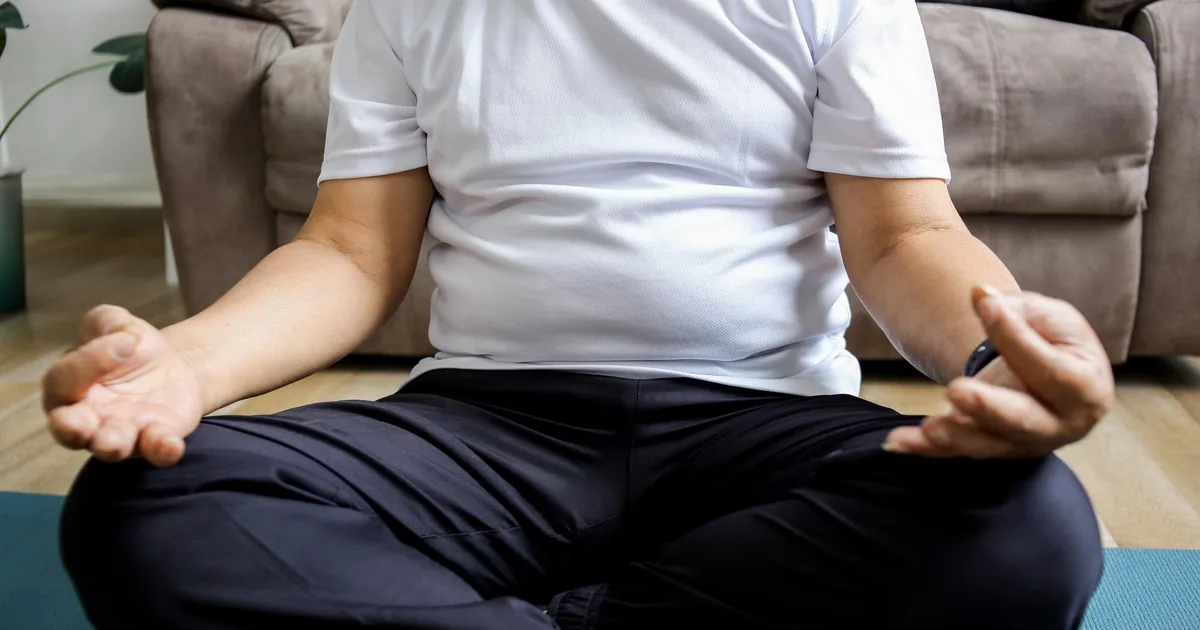
Many imagine opening chakras as something mystical: you close your eyes, imagine a flower — and everything starts working. In reality, it is systematic work with the body, breath, and thoughts. In this article, we will examine what really helps and what only creates the illusion of progress. We will not promise instant enlightenment — only honest practices, proven by time.
Seven Chakras: From Root to Crown
The system of seven chakras is a classic used in yoga and tantra. Each center has its own name, color, element, and area of responsibility. Understanding this map is the first step toward conscious work.
| Chakra | Location | Area of Influence | Signs of Imbalance |
|---|---|---|---|
| Muladhara (root) | Tailbone | Survival, security, materiality | Fear, insecurity, money problems |
| Svadhisthana (sacral) | Lower abdomen | Creativity, sexuality, pleasure | Guilt, creative block |
| Manipura (solar plexus) | Solar plexus | Will, self-esteem, personal power | Insecurity, aggression, problems with self-realization |
| Anahata (heart) | Center of the chest | Love, compassion, relationships | Resentment, closed-offness, inability to forgive |
| Vishuddha (throat) | Throat | Communication, self-expression, truth | Fear of speaking, throat problems |
| Ajna (third eye) | Between the eyebrows | Intuition, clairvoyance, imagination | Closedness to the new, headaches |
| Sahasrara (crown) | Crown of the head | Spirituality, connection with the higher | Feeling of meaninglessness, depression |
It is important to understand: chakras are not anatomical organs, but energy nodes. Their existence is confirmed by millennia of practice, but not by scientific instruments. Nevertheless, working with them gives tangible results — both at the level of well-being and in life events.
Signs That Chakras Are Blocked
How do you know it is time to start opening chakras? The body and psyche send signals that are easy to attribute to fatigue or personality. But if symptoms repeat, it is worth thinking about energy balance.
- Constant fatigue, feeling like a "squeezed lemon" even after rest.
- Emotional swings: from apathy to irritability.
- Problems in relationships: misunderstanding, conflicts, loneliness.
- Creative crisis, when ideas do not come and work does not bring joy.
- Physical ailments without a diagnosis: back pain, headaches, digestive problems.
For example, if you feel "stuck" in financial difficulties and constantly worry about tomorrow, most likely the root chakra is blocked. If you cannot express your opinion and swallow resentments — the throat chakra. Opening chakras helps return energy to these areas and restore balance.
Meditation for Opening Chakras: Where to Begin
Meditation for opening chakras is the most accessible and effective method. It does not require special conditions: 10–15 minutes a day and a quiet place are enough. The main thing is regularity and proper technique.
Start with a simple exercise. Sit comfortably, straighten your back, close your eyes. Take several deep breaths in and out to calm the mind. Then focus on the tailbone area. Imagine a red glowing ball there. Breathe into this center, imagining how it fills with energy. After 2–3 minutes, move to the next chakra — orange in the lower abdomen, and so on upward. Finish the meditation at the crown, imagining violet or white light.
For those who want to deepen the practice, meditation for opening the 7 chakras is suitable — it is a full cycle that takes about an hour. It can be performed with special audio recordings that guide you through each center. Meditation for opening chakras and restoration is especially useful after stressful periods, when you feel a complete loss of strength.
If you are a beginner, do not try to master all seven centers at once. Start with one or two chakras that seem most problematic. For example, if you lack confidence, work with manipura. After a week of regular practice, you will notice changes in mood and tone.
Music for Opening Chakras and Sound Practices
Sound is a powerful tool for tuning energy centers. Music for opening chakras uses specific frequencies that resonate with each chakra. For example, the root chakra corresponds to the note "C," the sacral — "D," and so on. Listening to such music helps you relax and enter the right state.
Each chakra has its own mantras — sacred sounds that are pronounced aloud or silently. Mantras for opening the seven chakras are simple: LAM for muladhara, VAM for svadhisthana, RAM for manipura, YAM for anahata, HAM for vishuddha, OM for ajna, and AUM for sahasrara. Repeat the mantra on the exhale, imagining the sound vibrating in the chakra area.
Svadhisthana music for opening the chakra is especially popular — it helps unlock creative and sexual potential. If you want to work specifically on the second center, look for compositions with a frequency of 417 Hz. Music for opening the 2nd chakra is usually soft, with an emphasis on low frequencies.
Do not forget about Tibetan bowls either. Singing bowls for opening chakras create a deep vibrating sound that is felt physically. You can use them in meditation or simply listen through headphones. The main thing is to choose recordings without sharp transitions, so as not to knock yourself out of the state.
Yoga for Opening Chakras: Asanas and Dynamics
Yoga for opening chakras is another proven method. The body is a map where each center is connected to specific muscles and areas. By working with poses, you release muscle tension and restore the energy flow.
For the root chakra, stable standing poses are suitable: Tadasana (mountain pose), Virabhadrasana (warrior pose). The sacral chakra is activated by pelvic tilts and the butterfly pose. Manipura requires twists and backbends: for example, cobra or bow pose. The heart chakra is opened through backbends: Ustrasana (camel pose). The throat — through shoulder stand or plow pose. For ajna, child's pose with a forward bend is useful. Sahasrara is meditative poses with crossed legs.
Opening chakras through yoga is not just a set of asanas, but a holistic practice. It is important to combine movement with breath and concentration. For example, in warrior pose, imagine energy rising from the feet to the crown. If you are a beginner, start with a simple 20-minute sequence, gradually increasing the time.
For those who prefer video format, there is a video lesson on opening the muladhara chakra — it will help you master basic techniques for the root chakra. But remember: even the best video lesson will not replace regular practice. It is better to practice 15 minutes every day than an hour once a month.
Mantras and Prayers for Opening Chakras
Mantras for opening the seven chakras are not just sounds, but keys to certain states of consciousness. They can be sung, whispered, or repeated mentally. It is important to pronounce them with the correct intonation and intention. For example, the mantra LAM helps you take root, feel support under your feet. VAM — to unlock the flow of pleasure and creativity.
Some practices use a prayer for opening chakras. This can be an appeal to higher forces with a request to cleanse and fill each center with energy. The prayer does not have to be religious — it can simply be a sincere intention. For example: "I open my heart to love, I allow energy to flow freely." Repeat it in meditation or before sleep.
If you feel resistance or fear when working with chakras, do not force events. Energy loves smoothness. Start with the mantra for the chakra that seems safest, and gradually expand the practice.
Opening Chakras for Women and Men: Is There a Difference
Opening chakras for women and men may have its own nuances, although the basic principles are the same. Women are often more sensitive to energy and notice changes faster. Their heart chakra is more often blocked due to unspoken resentments, as well as the sacral chakra — due to taboos on sexuality. Therefore, practices for women include more work with self-acceptance and the unveiling of sensuality.
Men, in turn, tend to suppress emotions, which leads to blockages in the throat and heart chakras. It is useful for them to practice techniques aimed at expressing feelings through sound and movement. For example, chanting mantras or dynamic meditations.
But do not rigidly divide practices by gender. Every person has both masculine and feminine energy. Opening chakras for women helps balance yin, for men — yang. The main thing is to listen to yourself and choose what resonates.
If you practice as a couple, you can do exercises together — this enhances the effect and strengthens the bond. For example, meditation for opening chakras and restoring energy together helps synchronize states and better feel your partner.
Opening Chakras PV: What It Is and How It Works
The term "opening chakras pv" may seem mysterious, but in fact it refers to a practice aimed at "awakening inner vision" or working with energy flows. You may have encountered the abbreviation "pv" in the context of "life flow" or "awakening vibrations." In any case, this is not a separate system, but rather an approach that combines meditation, breathing, and visualization.
Within this approach, it is important not just to "open" a chakra, but to learn to feel it as a living flow. For example, during meditation for opening the 6th chakra (ajna), you can imagine seeing the world not with your eyes, but with inner vision. This helps develop intuition and clarity of thinking.
If you encountered the term "pv" in the context of "inner practice" — it is simply a reminder that all the work happens inside you. No external attributes will replace your own intention and effort.
Candles and Other Tools for Opening Chakras
Candles for opening chakras are a popular tool that helps create the right atmosphere and focus attention. The color of the candle corresponds to the color of the chakra: red for muladhara, orange for svadhisthana, yellow for manipura, green for anahata, light blue for vishuddha, blue for ajna, violet for sahasrara.
Light the candle before meditation, place it at the level of the chakra or simply in your field of vision. Look at the flame for a few minutes, imagining how it cleanses and fills with energy. You can also use candles with essential oils corresponding to each chakra: patchouli for the root, ylang-ylang for the sacral, lemon for manipura, rose for the heart, eucalyptus for the throat, lavender for the third eye, frankincense for the crown.
Remember that candles are only an auxiliary element. The main work happens in your consciousness. Do not expect that simply lighting a candle will solve all problems. Use them as an anchor for intention.
Frequently Asked Questions About Chakras
In this section, we will answer the questions that most often arise among beginners. For example, "when opening which chakra does the nose go numb?" — this is an unusual symptom, but it may indicate activation of ajna (the third eye), which is connected to the area of the nose and sinuses. If you feel slight tingling or numbness in the nose during meditation, do not be alarmed — this is a sign that energy has come to this area. Continue the practice, but if symptoms intensify or cause discomfort, consult a doctor.
Another question: "how to quickly open all chakras?" — there is no instant way. Opening chakras is a process that requires time and regularity. On average, you need to practice for at least 21 days to see noticeable changes. Do not chase speed, it is better to focus on quality.
People also often ask whether chakras can be opened independently or whether a teacher is needed. Basic techniques are safe for self-study, but if you want to go deeper, it is better to find an experienced mentor. However, you can start at home too, using the proven practices from this article.
Opening Chakras: Exercises for Daily Practice
Exercises for opening chakras do not have to be complicated. Here is a simple sequence that can be done every morning or evening. It will take no more than 15 minutes.
1. Sit comfortably, close your eyes, take three deep breaths in and out.
2. Start with the root chakra: squeeze the pelvic floor muscles, imagine red light in the tailbone. Breathe into this center for 1–2 minutes.
3. Move to the sacral: place your palms on the lower abdomen, imagine orange light. Breathe, feeling warmth.
4. Manipura: place your palms on the solar plexus, imagine yellow light. Breathe, feeling confidence.
5. Anahata: palms on the chest, imagine green light. Breathe, opening the heart.
6. Vishuddha: palms on the throat, imagine light blue light. Breathe, feeling freedom of expression.
7. Ajna: palms on the forehead, imagine blue light. Breathe, activating intuition.
8. Sahasrara: palms on the crown, imagine violet light. Breathe, connecting with the higher.
Finish the practice by imagining all chakras connected by a pillar of light from the tailbone to the crown. Remain in this state for a few minutes, then slowly open your eyes.
These exercises can be performed with music for opening chakras or in silence. The main thing is regularity. If you missed a day, do not blame yourself — just continue the next day.
For deeper work, you can use opening chakras through yoga, adding a few asanas to the meditation. For example, before meditation, perform the Surya Namaskar sequence (sun salutation) to warm up the body and prepare it for energy work.
If you want to restore strength after a hard day, try meditation for opening chakras and restoring energy. It will help relieve fatigue and fill you with resources.
Remember that opening chakras is not a one-time event, but an ongoing practice. Even when you achieve harmony, it is important to maintain it with regular sessions. Just as you brush your teeth every day, energy hygiene must be maintained constantly.
If you feel that some chakras are especially problematic, give them more time. For example, if you have difficulty with self-expression, practice the throat chakra not only in meditation but also in life: talk about your feelings, sing, write.
And do not forget about physical activity. Opening chakras for women and men includes not only seated practices, but also movement. Dancing, running, swimming — all of this helps energy circulate freely.
To conclude this section, we want to remind you: if you experience serious physical or psychological symptoms, be sure to consult a specialist. Chakras are subtle matter, and you should not replace medical care with them. Use the practices as a supplement to a healthy lifestyle, not as a substitute.
The Path to Yourself: How Opening Chakra Practices Change Life
When we talk about opening chakras, it is important to remember: this is not a magic pill or a way to escape reality. It is rather an invitation to a dialogue with yourself — honest and gentle. Energy centers are a metaphor for those areas of our lives where we often get stuck: fear, creativity, love, word, intuition. Working with them helps us see where we lose strength and gently return it.
Many fear that by opening chakras, they will encounter something frightening or lose control. In fact, it is the opposite: the practices teach us to be more conscious, to feel our body and emotions, to accept them without judgment. This is not escapism, but a way to become more resilient in everyday life. When you regularly meditate, practice yoga, or simply listen to chakra music, you notice how your attitude toward stress, people, and yourself changes.
At the EXETERIC media, we often emphasize: esotericism is not a set of forbidden knowledge, but a tool for self-discovery. There is no need to blindly believe in everything or fear the unknown. It is enough to try, observe yourself, and draw conclusions. EXETERIC practices are not dogma, but an invitation to explore your nature with respect and curiosity. If you feel ready to go deeper, check out other articles about magic and self-discovery in our blog — there you will find even more techniques and ideas for inspiration.
Astrology can also become a support on this path: sometimes the position of the planets explains why some practices come easier to us and others harder. Check your zodiac sign and see which chakras are especially active in you, and which ones are worth supporting. This is not a prediction, but another way to better understand yourself.
The main thing is not to rush. Opening chakras is not a sprint, but a marathon that lasts a lifetime. Do not blame yourself if something does not work out right away. Remember: even a small step — five minutes of meditation a day or one conscious asana — already changes you. Be kind to yourself, and energy will surely respond.
If you feel fear or doubt, that is normal. Do not be afraid to ask questions, seek support from like-minded people or mentors. Practice consciously, with respect for yourself and tradition, and then opening chakras will become not a goal, but a pleasant journey to your true self.
Frequently Asked Questions
Can you open chakras on your own or do you need a teacher?
Yes, you can start on your own, especially with basic techniques such as meditation, breathing exercises, and simple asanas. They are safe if performed carefully and without fanaticism. However, a teacher can help correct your practice, deepen understanding, and avoid mistakes. If you feel stuck or experience discomfort, it is worth turning to an experienced mentor. The main thing is to listen to yourself and not force events.
How to quickly open all chakras and how long will it take?
There is no quick way to open all chakras, and this is not a race. Usually, at least 21 days of regular practice are required to notice the first changes, but full opening can take months or years. What matters is not quantity, but quality: it is better to practice 15 minutes daily than an hour once a month. Do not strive to open all seven centers at once — start with those that seem most problematic and gradually expand the practice.
What to do if your nose goes numb during meditation or other strange sensations appear?
Slight tingling, warmth, or numbness in the area of the nose or between the eyebrows is a normal reaction to the activation of the ajna chakra (third eye). Energy comes to this area, and you may feel pressure or vibration. Do not be alarmed, just continue breathing evenly and observe the sensations without judgment. If symptoms become too intense or cause concern, take a pause and return to the practice later. If discomfort persists, it is worth consulting a doctor.
Does music for opening chakras help, and how to choose it correctly?
Yes, music and sounds can be a powerful aid in practice. They help you relax, enter the right state, and resonate with the chakras. Each chakra has its own frequencies: for example, for the root — 396 Hz, for the sacral — 417 Hz. Choose recordings that are pleasant to you, without sharp transitions or dissonances. You can use Tibetan bowls, mantras, or special compositions. The main thing is to listen with intention, not just as background.