What is the Underworld: the underworld as described in religion and what awaits the sinner
If you ask a passerby, what is the underworld is something scary underground where bad people end up. And there is a grain of truth in this, but only a grain. In fact, the underworld is one of humanity's most ancient and enduring images: the lower world, the shadow of life, the place where the soul meets the consequences of its actions. Let's explore what is the underworld calmly, without horror stories and moralizing — as a cultural, religious, and psychological symbol.
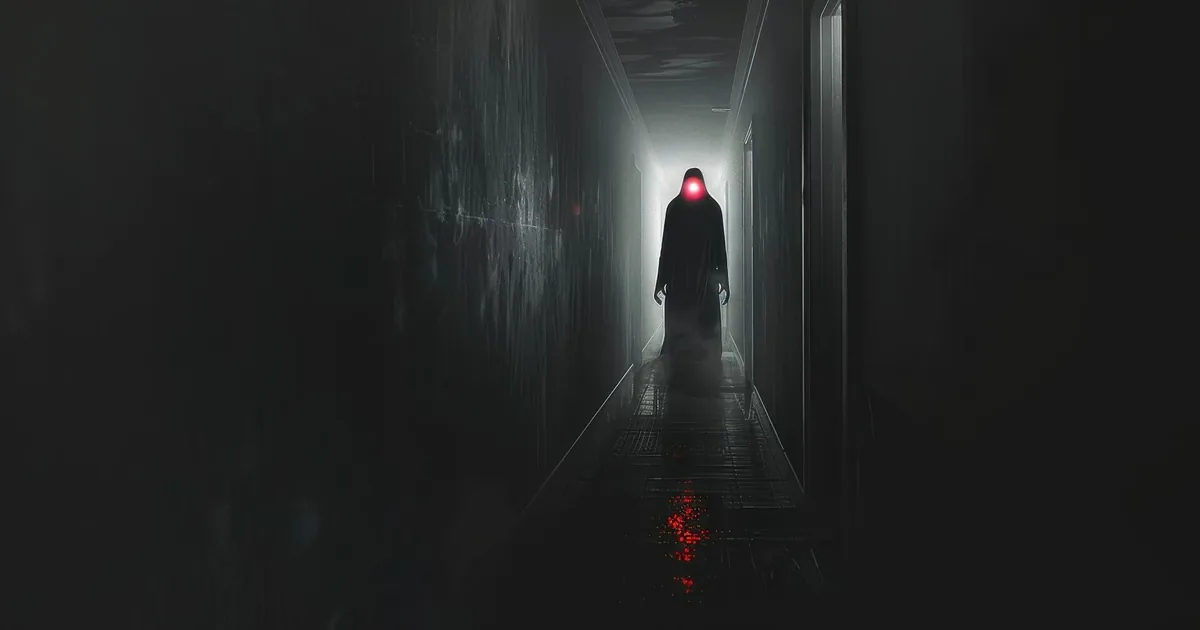
The underworld what it is in simple words? It is a "place underneath," the lower part of the universe. Underworld meaning was originally spatial: above — heaven and gods, in the middle — people, below — ancestors and shadows. Only later did the below become a place of punishment. We in the media about self-knowledge look at it exactly this way: as a map of fears, conscience, and responsibility drawn by different peoples.
The Underworld as Imagined by the Ancients and What the Texts Say
To understand the underworld as described in ancient texts, you need to forget about frying pans and devils. The ancients saw the lower world as gloomy rather than fiery. The underworld as imagined by the ancients is cold, half-darkness, a river, oblivion, silence. Almost everyone went there, not only sinners. The question was not "heaven or hell," but "do the living remember you and has the ritual been observed."
The underworld in the myths of different peoples of the world is surprisingly similar: the Egyptian Duat with the judgment of Osiris and the weighing of the heart, the Sumerian Kur, the Scandinavian Helheim, the Slavic Nav. Everywhere there is a boundary — a river, a bridge, gates — and a guide. The underworld history begins precisely with the idea of transition, not torture. Tortures were invented later, when religions began to explain in more detail the underworld why people end up there — why only some end up there, while others go upward.
A living example: imagine an ancient Greek placing an obol coin under the tongue of the deceased. This is not a bribe to Charon, it is care: so that the soul does not get stuck on the bank of the Styx. A practical step for us: if the image of the lower world frightens you in dreams or in thoughts, ask yourself — what "unfinished business" am I afraid to leave behind? Often behind fear stands not mysticism, but an unfinished conversation, a debt, guilt. A look to the root: the ancients taught not to fear the below, but to prepare for the transition — to live so that you would not be ashamed at the weighing of the heart.
The Underworld in Ancient Greek Myths: Hades, Tartarus, and the Fields
The underworld in ancient Greek myths is the kingdom of Hades, and it is nothing like the Christian hell. It is a vast country of shadows underground with the rivers Styx, Acheron, Lethe, with the asphodel fields for ordinary souls, Elysium for heroes, and Tartarus for titans and sacrilegious offenders. The underworld description in Homer and Hesiod emphasizes dampness, mist, and joylessness, not fire.
The underworld who guards its entrances? The three-headed dog Cerberus, the ferryman Charon, the judges Minos, Aeacus, and Rhadamanthus, the goddesses Erinyes, Hades himself with Persephone. The underworld who lives there? Shades — eidolons, deprived of strength without sacrificial blood, heroes, criminals against the gods, the unburied. The underworld how people ended up there according to beliefs of the Greeks? Through death, burial, and rite, through gates in the far west or through caves. Exceptions — Orpheus, Heracles, Odysseus — descended alive, and this is always a story about love, duty, and the price of return. By the way, about dream-descents into the lower world we speak in more detail in the EXETERIC dream book, where shadows and rivers often turn out to be symbols of the subconscious.
The Underworld in the Bible and in Orthodoxy: Sheol, Hell, and the Difference
What is the underworld in the Bible? In the Old Testament it is Sheol — a gloomy place where all the dead descend, both the righteous and sinners. This is not a place of eternal torment, but a shadow of life. The underworld as described in ancient texts of the Bible: "a land of darkness and the shadow of death," where there is no praise of God, where Jacob hopes to go down to his son. The underworld in the Bible in the New Testament becomes more complex: fiery Gehenna appears, Tartarus for fallen angels, the abyss, "outer darkness."
The underworld in Orthodoxy is understood in two ways. On the one hand, it is the state of souls before the Last Judgment; on the other — in folk ideas it has almost merged with hell. The underworld why it is identified with hell? Because of translations: the Greek "Hades," the Hebrew "Sheol," the Latin "infernus" in Slavic texts were often rendered by one word. Hence the confusion, and the question of the underworld difference from hell and the underworld and hell difference is still heard today.
| Common myth | Why it is not so | How it really is |
|---|---|---|
| The underworld and hell are always one and the same | In the Bible and in the Church Fathers meanings changed | Sheol / Hades — the place of shadows, Gehenna — an image of judgment and torment, hell — already the outcome after the Judgment |
| Only terrible sins lead to the underworld | In the ancient layers everyone went there | The criterion of punishment took shape later: impenitence, cruelty, betrayal |
| There is no exit from the underworld | There is the image of Christ's descent into hell | In Orthodoxy Christ leads out the righteous, this is hope for a way out |
The underworld as described in religion of Christianity today? Priests more often speak not about cauldrons, but about the state of God-forsakenness: the soul itself cannot love and therefore suffers. The underworld as seen by modern believers is already less about geography, more about inner darkness: addiction, malice, emptiness. A practical step: if guilt torments you, do not guess where you will end up, but take apart the deed step by step — whom you harmed, what can be fixed, what intention to take further. This is conscious work with conscience instead of fear.
The Underworld in Different Religions: What the Lower World Looks Like
The underworld in different religions is an entire geography. The underworld what it looks like in Islam? Jahannam with seven gates, the Zaqqum tree, and the guardian Malik. In Buddhism — Naraka with hot and cold divisions, but the stay there is not eternal: karma is exhausted. In Scandinavian beliefs — cold Hel, in Egyptian — halls of judgment with the feather of Maat. The underworld what levels are distinguished within it most often? From three to nine: rivers, judgments, places of waiting and places of torment.
The underworld circles of hell and the underworld circles of hell description came to us from Dante: nine circles from Limbo to the icy lake Cocytus with Lucifer. This is not dogma, but poetry, yet it so vividly showed the underworld why it was feared more than death that it became the canon of mass culture. Death is a moment, and the endless repetition of one's passion is eternity. The glutton in mud, the wrathful in the swamp, the traitor in ice: punishment is a habit continued from life.
| Symbol / image | Traditional meaning | Manifestation in life | What to do |
|---|---|---|---|
| River of oblivion Lethe | Loss of memory and connection with oneself | You live on autopilot, do not remember joy | Keep a journal, bring back rituals of remembrance |
| Scales and judgment | Weighing of the heart, conscience | Anxiety, self-flagellation | Honest confession, making amends |
| Guardian of the gates | A boundary that cannot be bypassed | Fear of death, panic in dreams | Mindfulness practice, talking about fear |
| Fire and ice | Desire and indifference | Addictions, burnout | Working with body energy, routine, help of a specialist |
The underworld in Slavic beliefs and Slavic underworld is a separate warm and eerie topic. The below is Nav, Vyriy in reverse, the world of ancestors beyond the Smorodina River with the Kalinov Bridge. The underworld in Slavic beliefs was guarded not by devils, but by serpents, birds, grandfathers-ancestors. People ended up there through improper death — without rite, suicides, drowned people became restless dead. The underworld is it possible to return from there? In fairy tales — yes, if you know the way, do not eat the food of the dead, and hold the thread-intention. This is a beautiful image for psychology: one can come out of depression and grief if one does not "feed" on the dead past. If you are interested in how the position of the planets influences periods of decline and rise, take a look at the astrology section — there we analyze cycles without fatalism.
The Underworld Why People End Up There and Who Lives There
The underworld why people end up there according to the logic of traditions? Not for one mistake, but for the direction of the will. In all lists the same are repeated: murder, betrayal, oath-breaking, cruelty to the weak, desecration of shrines, unrepented lies. The underworld signs of approaching in folklore are cold in the house, heavy dreams, a call by name from the other side. From the point of view of psychology these are markers of guilt and exhaustion, not a sentence.
The underworld who lives there besides shadows? Guardians, judges, tormentor-demons, fallen spirits. But importantly: demonology looks at them not as omnipotent executioners, but as functions — personifications of consequences. Anger torments the wrathful, greed — the miser. Example: a person who has lived in resentment for years already carries his little Tartarus inside — replaying the trial of the offender every night. A practical step: write out the resentment in three columns — fact, my interpretation, what I can let go. Then a small act of restitution or a boundary. A look to the root: the lower world teaches responsibility, not horror.
The Underworld Interesting Facts That Change the View
The underworld interesting facts: the word "underworld" literally means "that which is under the lining" — under the underside, under the lining of the world. In iconography the descent into hell is depicted as Christ breaking through the gates and pulling Adam and Eve out by the hands — an image of salvation, not torture. In Dante at the very bottom there is not fire, but ice. In Japan the lower world Yomi is defilement, not sin, and purification is by water. These details show: the underworld history is a history of how people explained evil and hoped for a way out.
If the theme of lower worlds resonates through numbers of fate and repeating lessons, check out the matrix of fate calculator — sometimes the "circles" we walk in are visible as ancestral scenarios and karmic tasks. And to expand the context, read other practices in the EXETERIC blog, where we analyze protection, cleansing, and shadow work without intimidation.
The Underworld as Seen by Modern Believers and Practice Without Fear
The underworld as seen by modern believers? Surveys and conversations with priests of different confessions show a shift: less literal geography, more ethics. Many perceive the below as loneliness without love, as the inability to forgive and to ask for forgiveness. The underworld why it was feared more than death is explained simply: death is a transition, and eternal stuckness in the worst version of oneself is scarier. Modern man fears not fire, but meaninglessness.
What to do with this image consciously? First — separate symbol from superstition. A dream about descending down, a conversation with the deceased, cold in the chest — this is the language of the subconscious, not a ticket down. Second — turn fear into practice: an evening review of the day with three questions — where was I honest, where did I cause pain, what will I fix tomorrow. Third — work with body and energy: grounding, breathing, warm light in the heart area when anxiety rolls in. Fourth — if guilt is long-standing, speak it out with a spiritual father, a psychologist, or in a letter without sending. The lower world in myths always had an exit for those who remember the name, hold the thread, and do not eat dead food — translated into our language: remember values, hold intention, and do not feed the past.
The Lower World as a Mirror: What to Do With Fear Next
If after everything you have read a slight tension remains inside — this is normal. The image of the underworld took shape over millennia, and it touches the most living things: the fear of disappearing, of being forgotten, of not having time to fix what is important. But look at it differently: in almost all traditions the lower world is not a dead end, but a place of honest meeting with oneself. There they weigh the heart, remember the name, hold the thread of intention. And the exit is always connected not with cunning, but with love, responsibility, and memory of what matters most.
Esotericism in its healthy form works the same way: it does not frighten with punishment and does not promise magical salvation, but helps to see the habit that right now is creating your personal heaven or hell. Anger, resentment, greed, indifference — these are not abstract sins from a list, but states in which it is hard to breathe already today. And vice versa, forgiveness, honesty, care for loved ones, completed deeds bring back warmth and a sense of support. Thus the ancient symbol becomes a practical tool of self-knowledge, not a reason for anxiety.
Therefore do not rush to fear the incomprehensible. Try to treat the topic calmly and respectfully: start an evening review of the day, finish an old letter, close a small debt, talk to the one with whom you have long been silent. And if you want to understand your cycles of declines and rises more deeply, look into the astrology section and gently check against the rhythms of your time without fatalism. Our approach in the EXETERIC guide to esotericism is exactly this — without horror stories, with reliance on awareness, body, and common sense.
And when you are ready to go further, read other practices in the EXETERIC blog: there we analyze shadow work, cleansing, protection, and dreams in calm language. May the underworld remain for you not a scarecrow, but a reminder: to live so that the heart on the scales turns out to be light. Start with one honest step today — and the lower world will turn from a threat into a wise teacher.
Frequently Asked Questions
Are the Underworld and Hell One and the Same?
No, originally these are different images, although in everyday life they are often confused. The underworld in ancient texts — Sheol, Hades, Nav — is a gloomy lower world where almost all the dead went, not only the punished. Hell in the strict sense, especially Gehenna in Christianity, is already an image of judgment and torment after death, a state of God-forsakenness. The confusion arose because of translations, where different words were rendered by one term. Today theologians more often say that the underworld is a place of waiting and shadows, and hell is the outcome of a conscious refusal of love.
For What Sins Do People End Up in the Underworld?
In the ancient layers of beliefs everyone ended up there, regardless of deeds; the proper rite and the memory of the living were important. Later, when the idea of retribution took shape, the criterion became the direction of the will, not one mistake. Traditionally named are murder, betrayal, cruelty to the weak, oath-breaking, desecration of shrines, and unrepented lies. The key word is impenitence: a person who does not admit harm and does not want to change. Therefore traditions urge not to guess about the sentence, but to repair the harm caused right now.
Is It Possible to Leave the Underworld?
In most myths and religions an exit exists, although it is not easy. In Greek myths the living Orpheus and Heracles descended down and returned, in Slavic fairy tales the hero comes out if he does not eat the food of the dead and remembers the way. In Christianity the main image of the exit is Christ's descent into hell, when He leads out the righteous, which gives hope for liberation. In Buddhism the stay in Naraka is not eternal at all and ends when karma is exhausted. The general meaning of the symbol is simple: as long as a person remembers values and holds the intention to change, stuckness is not eternal.
What Does a Dream Where I Descend Down, Underground Mean?
Such a dream most often does not predict punishment, but speaks in the language of the subconscious about a descent deep into oneself. A staircase down, a basement, a cave, a river, or cold usually symbolize fatigue, repressed guilt, grief, or unfinished business. It is important to recall details: whom you met, whether it was scary, whether you found an exit, what you felt after waking. A calm exit upward means readiness to deal with the problem, and wandering means a request of the psyche for pause and support. It is useful to write down the dream, honestly name the emotion, and take one small step — a conversation, rest, completion of a debt.