Reincarnation in Buddhism: transmigration of souls and samsara
Reincarnation in Buddhism: What It Really Is
Reincarnation in Buddhism is one of the most discussed and often misunderstood concepts. Many imagine it as the migration of a soul from body to body, but Buddhist teaching speaks of something different. In Buddhism, there is no eternal soul that passes from one life to another. Instead, there is a stream of consciousness that continuously changes, like a candle flame passed from one candle to another. This stream carries karmic imprints that determine the next rebirth. Understanding this nuance is the key to conscious practice and freeing oneself from the fear of death.
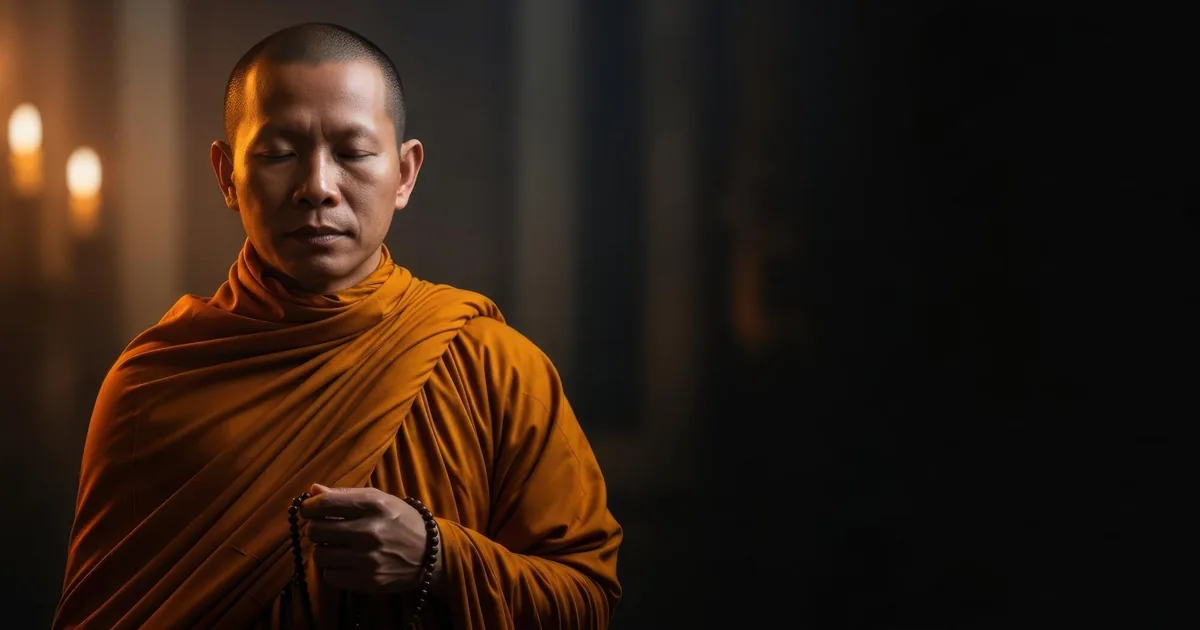
Samsara and reincarnation are two interconnected concepts. Samsara is the cycle of births and deaths, an endless chain of rebirths in which we find ourselves due to ignorance and attachments. Reincarnation is the mechanism that sustains this cycle. In Buddhism, the goal is not merely to be reborn in better conditions but to escape samsara and attain enlightenment. Therefore, Buddhist practices are aimed at purifying the mind and accumulating wisdom in order to break the chain of rebirths.
Unlike Hinduism, where reincarnation is closely tied to the caste system and karma as a law of retribution, Buddhism emphasizes personal responsibility and the ability to change one's destiny. The Buddha taught that our current state is the result of past actions, but the future is in our hands. This is an optimistic teaching that offers hope and motivation for spiritual growth.
Reincarnation in Hinduism: Origins and Differences
Reincarnation in Hinduism is one of the oldest and most developed concepts of rebirth. In Hinduism, there is an eternal soul (atman) that passes from body to body, just as a person changes clothes. Karma in Hinduism is the law of cause and effect that determines the conditions of the next birth: social status, health, wealth, and so on. Rebirth in Hinduism is seen as a natural process that continues until the soul attains moksha — liberation from the cycle of rebirths and union with Brahman.
The main difference from Buddhism lies in the understanding of the soul. Buddhism denies the existence of an unchanging soul, while Hinduism affirms its eternity. This fundamental difference leads to different practices: in Hinduism — worship of deities, meditation on the atman, observance of dharma; in Buddhism — working with the mind, mindfulness, developing compassion and wisdom.
However, there are also common features: both traditions recognize that our actions have consequences and that the current life is the result of past deeds. Both offer a path to liberation, but through different methods. Understanding these differences helps to deeper realize what reincarnation in different religions is and to choose one's own path.
Reincarnation in Christianity: Why It Is Controversial
Christianity's attitude toward reincarnation is a complex and contradictory question. The official Church denies rebirth, relying on the teaching of the singularity of earthly life and the subsequent judgment. There are no direct mentions of reincarnation in the Bible, but there are passages that can be interpreted in different ways. For example, in the Gospel of John (9:1-3), the disciples ask Jesus about a man born blind: "Who sinned, this man or his parents?" This suggests the possibility of rebirth, but Jesus answers that it was so that the works of God might be displayed.
In early Christianity, there were Gnostic sects that believed in rebirth, but they were declared heretics. Origen, one of the Church Fathers, entertained the idea of the pre-existence of souls in his writings, but his teaching was condemned. Nevertheless, some modern Christian theologians and philosophers find it possible to reconcile belief in reincarnation with Christian values, viewing it as a process of spiritual growth and purification.
For many people raised in Christian culture, the idea of reincarnation may seem foreign, but it attracts those who seek justice and an explanation for suffering. It is important to understand that reincarnation in different religions is not just a set of beliefs but a way of making sense of life and death that can be useful for self-knowledge, regardless of religious affiliation.
Transmigration of Souls in Buddhism: Mechanism and Examples
Transmigration of souls in Buddhism is not the migration of a soul but the rebirth of a stream of consciousness. To understand this mechanism, imagine pouring water from one vessel into another: the water is not the same, yet it is continuous. Likewise, our consciousness at the moment of death transmits its karmic impulses to a new body. Buddhist texts describe six realms of samsara: gods, demigods, humans, animals, hungry ghosts, and hell beings. Rebirth into each of them depends on the karma accumulated in past lives.
An example from modern life: a person who spent their life doing charity work and developing compassion will most likely be reborn in favorable conditions. One who harmed others may face difficulties in the next life. But Buddhism is not fatalistic: even in this life, we can change our karma by performing good deeds and purifying the mind.
A practical step: to consciously approach the process of rebirth, Buddhist practitioners recommend meditation on death and impermanence. This helps to appreciate every moment and not postpone spiritual practice for later. It is also important to develop mindfulness in daily life so as not to create negative karmic imprints.
Samsara and Reincarnation: How to Break the Cycle
Samsara and reincarnation are not just philosophical concepts but a reality we experience every day. Samsara is not only rebirths but also a state of mind characterized by dissatisfaction, fear, and attachments. We constantly experience "little samsaras" — cycles of desires and disappointments. Buddhism offers concrete methods for escaping this cycle: the practice of ethics, concentration, and wisdom.
One of the key methods is meditation on emptiness. Understanding that all phenomena lack a permanent essence helps weaken attachments and reduce suffering. The practice of compassion is also important: when we wish well for others, we create positive karma and move closer to liberation.
Here is an example from life: a person who constantly experiences anger and irritation creates karma that leads to rebirth in unfavorable conditions. If they begin to practice patience and kindness, they will change their karma and improve their future life. Thus, samsara and reincarnation are not a verdict but an opportunity for growth.
Reincarnation in Different Religions: A Comparative Analysis
Reincarnation in different religions is not just a set of beliefs but a reflection of various cultural and philosophical contexts. In Hinduism, reincarnation is linked to the caste system and the worship of deities; in Buddhism, to the teaching of impermanence and the absence of a soul; in Christianity, to the idea of a single life and judgment. In some other religions, such as Jainism and Sikhism, there are also concepts of rebirth. In ancient Greek philosophy, in the teachings of Pythagoras and Plato, ideas of the transmigration of souls also appear.
A comparative analysis shows that the common element is the recognition of the law of cause and effect, as well as the possibility of spiritual progress over many lives. The differences concern the nature of the soul, the role of divine intervention, and the ultimate goal. For example, in Hinduism the goal is union with Brahman, in Buddhism — nirvana, in Christianity — eternal life with God.
For a modern person interested in esotericism, it is important not simply to choose one system but to understand that each contains valuable insights. One can take mindfulness practices from Buddhism, the teaching of karma from Hinduism, and the idea of love and forgiveness from Christianity. Such a synthesis can become the foundation for a personal spiritual path.
The Practice of Conscious Rebirth: How to Prepare
In the Buddhist tradition, there is a practice that helps prepare for rebirth — meditation on death and impermanence. It is not intended to evoke fear but to awaken mindfulness and motivation for practice. One method is visualizing one's own death and reflecting on what will remain important at that moment. This helps set priorities and let go of attachments.
There is also the practice of consciousness transference (phowa) — a technique that allows directing consciousness toward a favorable rebirth at the moment of death. This practice requires guidance from an experienced teacher and lengthy preparation. But in daily life, we can cultivate qualities that will lead to a good rebirth: generosity, ethics, patience, diligence, meditation, and wisdom.
A concrete step: every evening before sleep, spend a few minutes reflecting on your actions of the day. If you notice negative deeds, sincerely regret them and make a resolution to improve. This will help purify karma and accumulate positive imprints. Such practice makes the process of rebirth conscious and manageable.
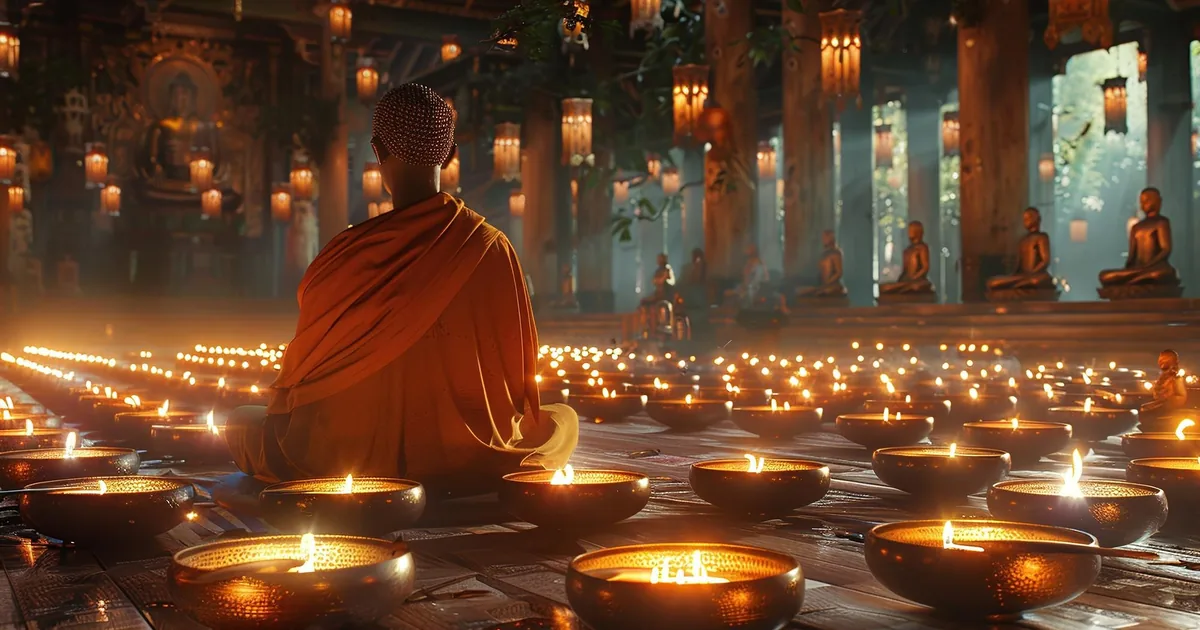
Reincarnation as a Path to a Conscious Life
Reincarnation is not just an ancient concept or a subject of debate between religions. It is an invitation to reflect on how we live, what we leave behind, and where we are heading. In Buddhism, Hinduism, Christianity, and other traditions, rebirth reminds us of the main thing: our actions matter, and life is not a coincidence but an opportunity for growth.
When we stop fearing death and begin to see it as a natural transition, we start living more consciously. We learn to appreciate every moment, let go of attachments, and care for others. Esotericism, including EXETERIC practices, helps us tune into this wave — not as a way to escape reality but as a tool for self-knowledge and harmonization with the world.
If you feel that the topic of reincarnation resonates in your heart, do not stop at what you have read. Try the simple mindfulness practices we describe in EXETERIC practices — for example, meditation on impermanence or evening reflection. They will help you connect with yourself and prepare the ground for future rebirths, if you believe in them, or simply for a fuller life here and now.
For those who want to delve deeper into the topic, in the EXETERIC blog you will find many articles about magic, self-knowledge, and spiritual traditions. And if you are curious about how the stars influence your path, check out the astrology section — perhaps you will discover new facets of your personality.
Do not fear the unknown. Approach esotericism calmly and with respect, try practices mindfully, and they will respond to you with depth and clarity. Reincarnation is not a reason for fear but a reminder that every day is a chance to become better.
Frequently Asked Questions
How does reincarnation in Buddhism differ from the transmigration of souls in Hinduism?
In Buddhism, there is no eternal soul that passes from body to body. Instead, there is a stream of consciousness that changes every moment, like a candle flame passed from one candle to another. In Hinduism, by contrast, there is an eternal soul (atman) that migrates from one life to another, just as a person changes clothes. Buddhism emphasizes the absence of a permanent "self" and that rebirth is determined by karmic imprints rather than a soul. Hinduism, on the other hand, asserts that the soul is unchanging and ultimately merges with Brahman. This fundamental difference leads to different practices: Buddhists work with the mind and mindfulness, while Hindus focus on the worship of deities and observance of dharma.
Can a Christian believe in reincarnation?
The official Christian Church denies reincarnation, as it teaches that a person lives once, and after death awaits judgment. However, in early Christianity there were Gnostic movements that believed in rebirth, but they were declared heretics. Some modern Christian theologians and philosophers allow for the possibility of reconciling belief in reincarnation with Christian values, viewing it as a process of spiritual growth and purification. There are no direct prohibitions of this idea in the Bible, and some passages, such as the disciples' question about the man born blind, can be interpreted in different ways. Ultimately, belief in reincarnation is a personal choice that does not necessarily contradict the core moral principles of Christianity, such as love and forgiveness.
How does karma affect the next rebirth?
Karma is the law of cause and effect: our actions, words, and thoughts create imprints in consciousness that determine the conditions of the next birth. If we perform good deeds, develop compassion and wisdom, we create positive karma that will lead to a favorable rebirth — for example, in the realm of humans or gods. If we cause harm, experience anger or greed, we create negative karma that may lead to birth in the lower realms — animals, hungry ghosts, or even hells. However, karma is not fatal: Buddhism emphasizes that we can change our karma in this life by performing good deeds and purifying the mind through practice. Thus, the future is in our hands.
Can one remember one's past lives?
In the Buddhist tradition, it is believed that some people can recall their past lives through deep meditation or special abilities. However, this is not the goal of practice and does not guarantee spiritual progress. The Buddha cautioned against attachment to such memories, as they can cause suffering or pride. Instead, it is important to focus on the present moment and on how we live now. Modern research in regression therapy sometimes reveals memories that may be interpreted as past lives, but this is a controversial area. For most people, it is more beneficial to develop mindfulness and compassion than to try to recall the past. Ultimately, what matters is not who we were but who we are becoming.