Visualization: how to attract what you desire into your life
What is Visualization and Why It Works
Let's start with the most important thing. Visualization is not just "imagine it — and it will come." It is a conscious practice of working with the subconscious mind and the energy field, rooted in a wide variety of traditions — from ancient rituals to modern neuroscience. The essence of visualization is that through a vivid, detailed mental image, we set an intention and direct our energy. Our brain, or more precisely, the reticular activating system, begins to filter reality, noticing opportunities and resources that previously remained off-screen. This is not magic in the style of a "magic wand," but a conscious interaction with the law of vibration: everything in the Universe is energy, and our clear mental picture becomes a signal that attracts corresponding circumstances.
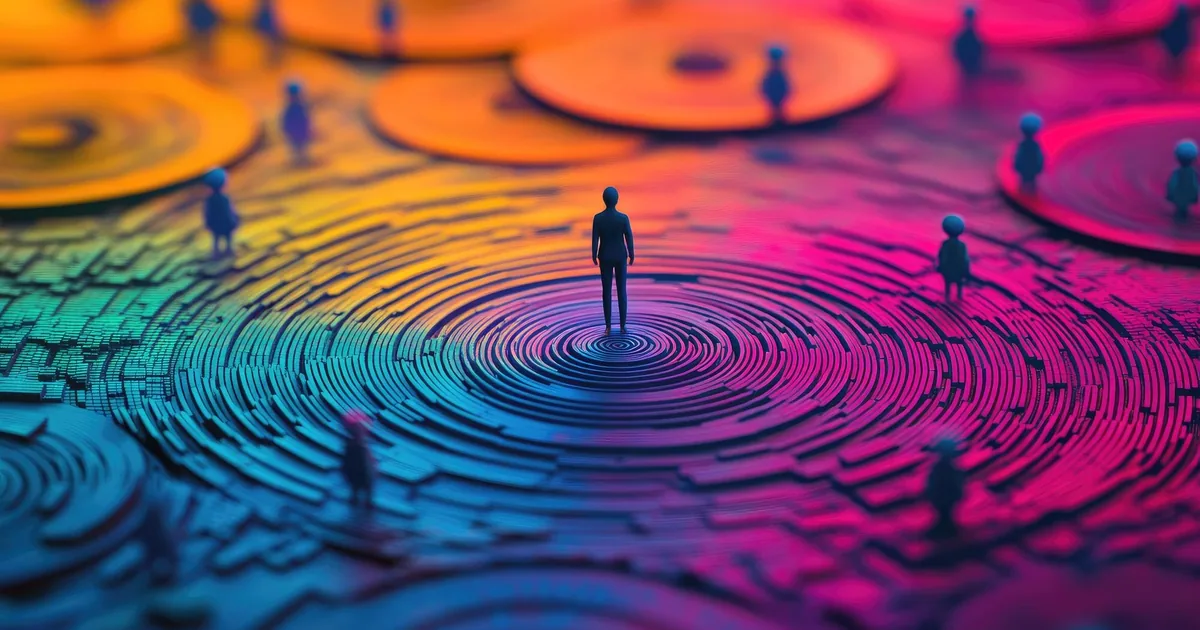
Imagine that you want a new job. You can endlessly complain about your current one or passively wait. Or you can, every day, with your eyes closed, vividly imagine yourself in a new place: what your desk looks like, what feelings you experience from interesting tasks, how your colleagues' voices sound. This is the practice of visualization. It turns an abstract desire into a concrete energy template that the subconscious mind and the external world begin to support. It is important to understand: visualization is not a replacement for action, but its powerful amplifier. You are not just dreaming; you are programming yourself for the actions that will lead to results, while simultaneously attracting external signs and coincidences.
From the perspective of the esoteric tradition, visualization is working with the astral plane, where all forms are born before their manifestation in the physical world. Psychology, on the other hand, explains this through the formation of neural connections: the brighter and more regularly we replay an image, the stronger the pathway in the brain becomes, and the brain begins to work toward its realization. This is why regularity and the involvement of all senses are so important. Not just seeing the picture, but hearing sounds, smelling scents, feeling textures. This makes visualization a deep and effective practice, not superficial fantasizing.
Visualization of Desires: From a Vague Dream to a Clear Intention
Often we say: "I want to be happy" or "I want more money." But this is too vague for the energy matrix. Visualization of desires requires specificity. Why? Because the Universe (or your subconscious mind, whichever is closer to you) works with images, not abstractions. "More money" could mean a raise of 500 rubles or an unexpected inheritance. But "a stable income of 200,000 rubles per month from a beloved business related to consulting" — that is already a clear signal.
Let's break down the technique of visualizing desires step by step. The first step is awareness. Write down your desire. But not just "a new car" — why do you need it? What feelings does it evoke? Freedom? Confidence? Status? The second step is creating a mental image. Close your eyes and imagine the moment when the desire has already come true. Where are you? What is around you? Who is nearby? What is your facial expression? The third step is engaging the senses. This is the key moment. You must not just see the picture but feel it with your whole body. Joy, gratitude, satisfaction — these emotions charge the intention with energy. The fourth step is letting go. After a vivid visualization, it is important to release attachment to the result. This does not mean forgetting, but trusting the process, not controlling every step, and not doubting every minute.
A typical mistake is visualizing the process of struggle rather than the result. For example, imagining yourself diligently searching for a job instead of already working at a new company. This amplifies the energy of seeking, not of attainment. Dream visualization is always the visualization of an already accomplished fact. You are, as it were, "peeking" into your reality where the desire has already been fulfilled, and inviting that reality into your life.
Visualization Technique: A Step-by-Step Guide for Practice
Now let's delve deeper into the practice itself. There are many visualization techniques, but I will offer you a universal algorithm that can be adapted to any goal. This visualization technique is suitable for both beginners and experienced practitioners.
1. Preparing the space and state. Find a quiet place where you will not be disturbed. You can turn on soft music or nature sounds. Sit comfortably, close your eyes. Take a few deep breaths to calm your mind. This is a signal to the subconscious that you are entering an altered state of consciousness, more receptive to images.
2. Forming the intention. Clearly define what you want to visualize. This could be goal visualization for career, relationships, health, or spiritual growth. Write the goal in the affirmative present tense: "I have...", "I am...", "I feel...".
3. Creating mental cinema. Begin to imagine a scene where your goal is already realized. Start with the overall view: the setting, the place. Then move to details: colors, sounds, smells, tactile sensations. The brighter and more layered the picture, the better. It is important: visualization meditation is not just contemplation, but active living of the moment with all senses.
4. Emotional charge. This is the most important stage. Do not just look at the picture — live the emotions you would experience in that moment. Joy, gratitude, calm, confidence. Emotions are fuel for intention. Without emotions, visualization is just a picture in your head.
5. Completion and integration. Slowly open your eyes. Write down in a journal what you saw and felt. You can make a drawing or a collage. This reinforces the practice. It is important: after visualization, do not control the situation and do not demand immediate results. Trust the process.
Daily Visualization: How to Make the Practice a Habit
A one-time visualization is good, but systematic practice is what changes lives. Daily visualization does not require much time. Five to fifteen minutes in the morning or before bed is enough. Morning visualization sets the tone and direction for the day, while evening visualization helps integrate experiences and strengthen the intention.
How to build the practice into your schedule? Choose an anchor — an action you already do every day. For example, after morning coffee or before bed. Stand or sit, close your eyes, take 3 deep breaths, and imagine your goal for 3-5 minutes. You do not need to sit in meditation for hours. The quality and vividness of the image matter more than duration.
You can use anchors. For example, a ring on your finger or a bracelet. Every time you notice it, briefly recall your image and the feelings associated with it. This amplifies the effect of visualization throughout the day. It is also useful to keep a visualization journal. Write down what you imagined, what emotions you experienced, and what signs or coincidences you noticed during the day. Over time, you will see patterns and understand how your intention works with reality.
It is important: daily visualization is not a routine task, but a joyful meeting with yourself and your desires. Treat it as a gift, not an obligation. If you do not feel like it today — reduce the time, but do not skip it entirely. A habit is formed through regularity, even if it is minimal.
Money Visualization: Specifics of Working with the Material Flow
Money visualization is one of the most common practices, and it has its own nuances. Money is energy, and working with it requires purity of intention. Often people visualize money out of fear or greed, and this repels the flow. Proper money visualization is visualization from a feeling of abundance, gratitude, and freedom.
Imagine not just a stack of banknotes, but the feeling of financial security. What is it like not to worry about bills? What does your life look like when money comes easily and in the right amount? Perhaps you see yourself calmly paying for purchases, or transferring money toward a dream, or helping loved ones. It is important to visualize not the means (money), but the end goal (freedom, opportunities, joy).
It is also important not to attach to a specific source. Do not visualize exactly how the money will come (bonus, inheritance, winnings), but visualize the very state of having and using it. This opens channels for many opportunities. Money visualization works best when it is part of an overall visualization of an abundant life, not an isolated practice.
Visualization Meditation: Deepening the Practice Through the Meditative State
When we talk about visualization meditation, we mean combining two powerful practices: meditative immersion and conscious creation of mental images. Meditation helps silence inner noise and achieve a state of deep receptivity, while visualization directs this pure energy toward creating reality.
For visualization meditation practice, you can use the "guanxiang" technique from the Tibetan tradition or simple concentration on breathing followed by the introduction of an image. First, calm your mind by observing your breath. When the mind quiets, introduce a vivid image of your goal into your field of consciousness. Do not rush; allow it to unfold, become three-dimensional, alive. Abide in this image, feeling its reality. This is a state between sleep and wakefulness, where the subconscious is maximally open to embedding a new template.
Visualization meditation practice is especially effective before sleep, when the boundaries between consciousness and subconsciousness blur. An image implanted at this time goes deep and works for you while you sleep. In the morning, you may wake up with new ideas or unexpected solutions — this is the result of the subconscious working overnight with your intention.
Common Myths About Visualization and How It Really Works
Let's examine the main misconceptions that prevent people from practicing consciously.
| Common Myth | Why This Is Not True | How It Really Works |
|---|---|---|
| Visualization is just fantasizing | Fantasies are passive and not connected to intention. Visualization is an active, purposeful practice with an emotional charge and a specific goal. | Visualization is the conscious creation of a mental template for attracting a specific reality. It is work with energy and the subconscious. |
| Imagining it once is enough — and it will come true | A one-time action does not form a habit and does not reprogram deep beliefs. Regularity is needed. | Systematic practice (at least 5-10 minutes daily) forms new neural connections and an energetic focus. |
| Visualization works on its own, without actions | Visualization is not a replacement for actions, but their amplifier. It helps you notice opportunities and act decisively. | Visualization prepares the ground (internal and external), and actions are the seeds you sow. |
Another important point: visualization does not work if it goes against your deep beliefs. If you visualize wealth but internally believe that money is evil, a conflict arises, and the practice yields no results. In this case, it is worth working with beliefs first — through meditations, affirmations, or analysis in the fate matrix calculator to understand karmic patterns.
Goal Visualization: A Systematic Approach to Big Changes
When it comes to major life changes — career shifts, creating relationships, moving — goal visualization becomes especially valuable. Here it is important not just to imagine the final result, but also to mentally walk the entire path, overcoming possible difficulties.
A systematic approach to goal visualization includes several stages. First, define the goal itself and its significance for your life. Then break it down into sub-goals or stages. Visualize not only the final point but also each stage: how you cope with difficulties, learn, and grow. This creates a stable mental plan that helps you not give up at the first obstacles.
It is useful to create a visualization map — a visual representation of your path. This could be a drawing, a collage, or a diagram with key images for each stage. Place it where you will see it every day. This is a constant reminder and recharging of intention. Also, regularly review and update the map as you progress or circumstances change.
Goal visualization is a marathon, not a sprint. Be patient and consistent. Acknowledge small victories and signs along the way. Sometimes a goal may change or transform — this is normal. Flexibility and awareness are more important than stubborn adherence to the original plan.

Your Path to Conscious Creation of Reality
We have examined in detail how visualization works as a bridge between the inner world and external circumstances. Remember that this is not a magic wand, but rather a compass and map for your subconscious and energy field. The main power of this practice lies not in instant wish fulfillment, but in your ability to see yourself, your true needs, and the resources already present in your life more clearly. Esotericism, in its best form, is not a set of superstitions, but an ancient tool for self-knowledge and conscious interaction with the world.
Do not be afraid to experiment and trust your intuition. Start small — with five minutes a day, with one clear goal. Observe how your perception changes and what opportunities begin to appear on the horizon. If you want to understand your natural talents and life path more deeply, check out the astrology section to study your zodiac sign and natal chart. And for a systematic immersion into the world of esoteric practices, I recommend exploring EXETERIC practices — they are your reliable guide.
May visualization become for you not an obligation, but a joyful ritual — a meeting with the best version of yourself and your life. Be patient, consistent, and open to miracles, which often come in the most unexpected forms. And if you want to go deeper, the EXETERIC blog has dozens of other articles about magic, self-knowledge, and mindfulness waiting for you. Your reality is a reflection of your thoughts and intentions. Start creating it consciously.
Frequently Asked Questions
Can I visualize several desires at once?
Yes, you can, but with an important caveat. It is best to work with one or two key goals at a time so that energy and attention are not scattered. If you have many desires, try combining them into a single image of an abundant and happy life where all of them are harmoniously realized. This creates a unified energy template. Gradually, as you progress, you can shift the focus of visualization to new priorities.
What should I do if negative thoughts or doubts arise during visualization?
This is an absolutely normal part of the practice, especially at the initial stage. Do not fight these thoughts and do not judge yourself for them. Simply gently notice them and return your attention to the vivid, positive image of your goal. Doubts often arise from old beliefs that visualization is meant to transform. Over time, with regular practice, the negative background will diminish, giving way to clarity and confidence.
How long should I wait for results from the visualization practice?
Timelines are absolutely individual and depend on the complexity of the goal, the depth of your practice, and the readiness of your subconscious for change. Some people notice the first signs and coincidences within a few weeks, others within months. Do not wait for instant results or measure effectiveness by days. The main indicator of progress is your inner state: a feeling of clarity, calm, and confidence that you are on the right path. Results often come imperceptibly, as a chain of "random" events.
Can visualization cause harm or attract something undesirable?
Visualization as a tool is neutral — it amplifies your intention and emotional charge. Potential harm can only arise from improper use: for example, if you visualize out of fear, envy, or a desire to harm another. In this case, you attract corresponding low-frequency energy. This is why purity of intention and focus on positive, constructive outcomes that serve your highest good and the good of those around you are so important.