Spiritual practice: how to find harmony and meaning
Spiritual practice: what it is and why it is needed
When we hear the phrase "spiritual practice," images of hermits in Himalayan caves or monks chanting mantras often come to mind. But in reality, spiritual practice is not necessarily something exotic or requiring years of solitude. It is any conscious way to restore inner support, hear your own voice amid the noise of everyday life, and establish a connection with something greater than ourselves. It can be meditation, prayer, bodywork, creativity, or even an ordinary walk if it is filled with mindfulness.
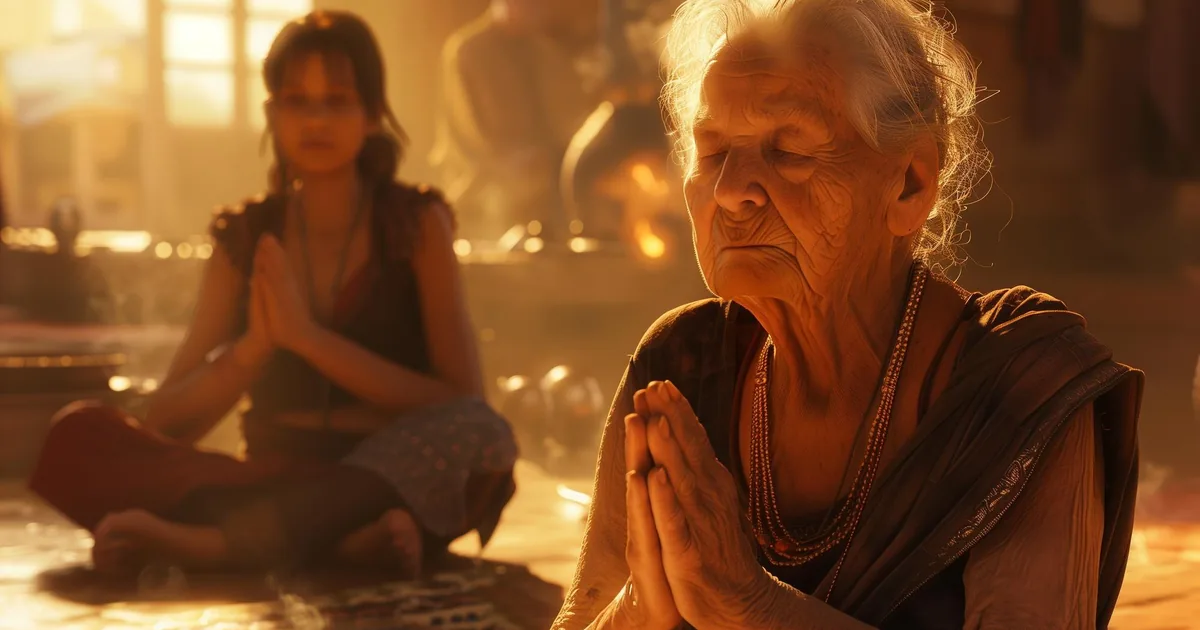
In the esoteric tradition, spiritual practice is seen as a bridge between the material and subtle planes of existence. It helps us not just "believe in something" but directly experience the feeling of unity with the world. Psychologists, in turn, see regular practices as a powerful tool for self-regulation: they reduce stress levels, train attention, and help cope with anxiety. When we combine these two perspectives, we get something remarkable: spiritual practice becomes not an escape from reality but a way to live a fuller, more meaningful life.
It is important to understand: spiritual practice is not a one-time event but a process. As with anything, a systematic approach matters here. Regularity, even 10-15 minutes a day, will yield far more than rare but lengthy "sprints." That is why we will talk about how to build a daily spiritual practice that will nourish you with energy rather than drain your last strength.
Where to begin: spiritual practice for beginners
Beginners often think that spiritual practice for beginners is something complex, requiring special knowledge or initiation. In reality, everything ingenious is simple. You can start small: set aside time when no one will disturb you and simply be in silence. Sit comfortably, close your eyes, and focus on your breath. Do not try to "remove thoughts" — that is impossible. Simply observe them like clouds drifting across the sky. After a few days, you will notice that the mind becomes calmer and reactions to stress become softer.
Another simple way to touch practice is keeping a gratitude journal. Every evening, write down three things you are grateful for. It could be a delicious dinner, a stranger's smile, or a warm blanket. Such a simple practice gradually shifts attention from scarcity to abundance, and you begin to notice how much good is already in your life. This is the foundation of spiritual growth — the ability to see beauty in the ordinary.
If you feel ready for more structured sessions, pay attention to meditative techniques. Our blog has many materials on meditation, but you can start with a simple exercise: sit down, close your eyes, and repeat the sound "Om" or any other calming word silently or aloud. Sound vibrations help the mind enter resonance with deeper rhythms of existence. Practice for 5-10 minutes a day, and you will feel the inner dialogue quiet down, giving way to silence and clarity.
Daily spiritual practice: how to make it a habit
The main secret of any practice is regularity. A daily spiritual practice does not necessarily have to take much time. What matters far more is that it becomes your anchor, a point of support throughout the day. Choose a time that suits you: morning, afternoon, or evening. It is best to practice at the same time so that the body gets used to the rhythm. For example, 15 minutes of meditation right after waking up will set the tone for the whole day, while an evening practice will help release accumulated tension.
To avoid giving up what you have started, make the practice enjoyable. If sitting on the floor is uncomfortable, use a chair or cushion. If silence feels oppressive, play soft instrumental music or nature sounds. The main thing is that you feel comfortable and safe. Remember: spiritual practice is not a feat but self-care. If you miss a day, do not scold yourself. Simply return to practice the next day, like to an old friend.
Another tip: integrate practice into everyday activities. For example, when washing dishes or walking to work, focus on bodily sensations and surrounding sounds. This is a kind of dynamic meditation. In this way, you fill even the most ordinary actions with mindfulness. Gradually, you will notice that life becomes brighter and richer, and the feeling of inner harmony ceases to be something unattainable.
Spiritual practice of meditation: techniques for a calm mind
Meditation is perhaps the most well-known and effective spiritual practice. Translated from Sanskrit, "meditation" means "reflection," but in reality, it is more a state of full presence in the moment. There are many techniques, and each is good in its own way. One of the simplest is concentration on the breath. Sit with a straight back, close your eyes, and follow the air as it enters and exits through the nostrils. When thoughts distract you, gently return attention to the breath. This develops concentration and calms the mind.
Another powerful technique is loving-kindness meditation (metta). You mentally wish happiness to yourself, then to loved ones, then to all living beings. This practice opens the heart, teaches compassion, and helps release grievances. Start small: 5 minutes a day. Within a month, you will notice that your relationships with people have become warmer and more peace has appeared within.
For those who want to explore deeper states, Vipassana — the practice of observing bodily sensations — is suitable. You sit still and scan attention throughout the body, noting any sensations: warmth, tingling, heaviness. This helps develop sensitivity and understand how emotions are reflected in the body. Many note that regular Vipassana practice brings remarkable calm and clarity.
It is important to remember: meditation is not an attempt to "switch off" thoughts but observing them without judgment. If you notice the mind wandering, that is normal. Simply bring it back again and again. Over time, the gaps of silence will lengthen, and you will feel a source of serenity opening within you.
Spiritual practice of purification: working with energy and space
Our bodies and homes accumulate not only physical but also energetic dirt. Stress, negative emotions, conflicts — all of this leaves traces in the aura that can cause fatigue, irritability, and illness. The spiritual practice of purification is aimed at freeing ourselves from these accumulations and restoring the natural flow of energy. The simplest way of purification is smudging a room with herbs, such as sage or wormwood. Light a bundle of herbs, walk around the room clockwise, imagining the smoke carrying away everything heavy and dark. Do this with the intention of cleansing the space and yourself.
Another effective method is baths with sea salt. Salt has long been considered a powerful absorber of negative energy. Dissolve 2-3 handfuls of salt in warm water, add a few drops of lavender or rosemary essential oil, and soak in the bath for 15-20 minutes. Imagine the water washing away fatigue and negative programs from you. After the bath, be sure to rinse off in the shower to wash away the salt, and feel lightness throughout your body.
Do not forget about mental purification either. The practice of forgiveness is one of the deepest. Write on paper the names of people who have hurt you and imagine releasing them with love. You can say silently: "I forgive you for everything. I am free." This does not mean you approve of their actions, but you lift a heavy burden from your soul. Regular purification helps maintain high vibrations and feel light and fulfilled.
Spiritual practice of development: tools for growth
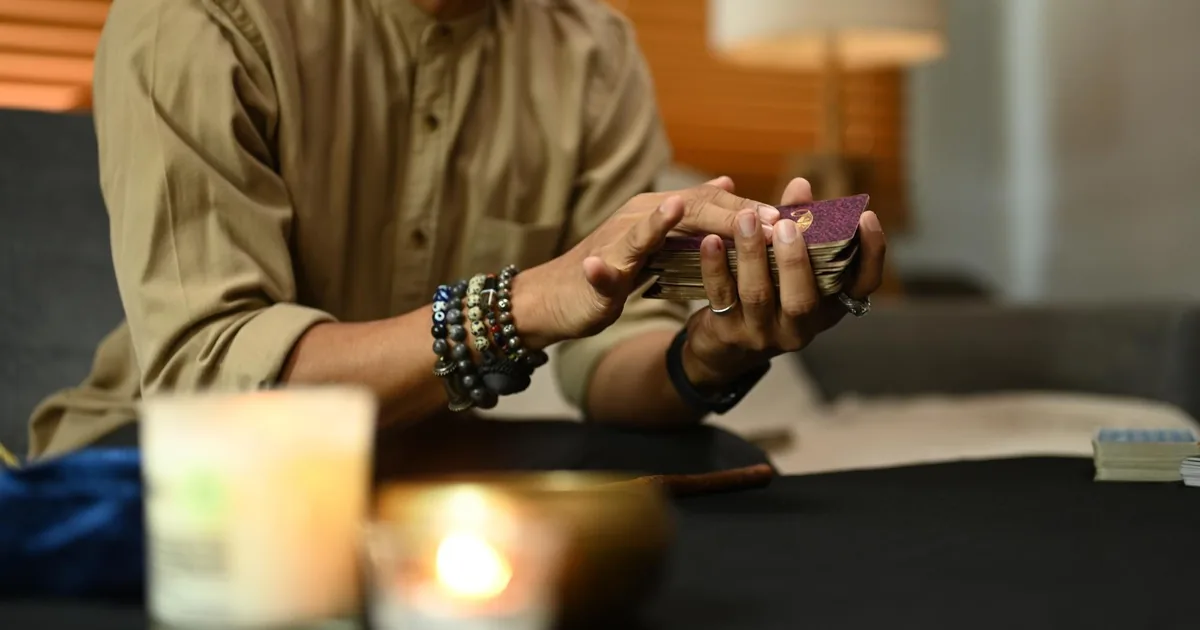
The spiritual practice of development is a path that has no endpoint. We can always become more conscious, more loving, more free. One of the powerful tools on this path is working with archetypes and symbols. For example, studying Tarot cards or runes helps understand the deep processes occurring in our psyche. Cards are a mirror in which we see our strengths and weaknesses, fears and desires. Simply drawing one card a day and reflecting on how its energy manifests in your life is enough to begin noticing patterns.
Another path is working with dreams. Dreams are the language of the subconscious, and by learning to understand them, we gain access to a vast layer of information about ourselves. Keep a dream journal: write down your dreams immediately upon waking, even if they seem meaningless. Over time, you will begin to notice recurring symbols and themes that point to unresolved issues. Dream interpretations can be found in various dream books, for example, in the EXETERIC dream book, but the main key is your intuition.
For those who feel drawn to astrology, spiritual practice can include studying one's horoscope and planetary periods. Understanding your zodiac sign and planetary positions helps recognize your strengths and potential pitfalls. For example, if you know you have a retrograde Mercury in your natal chart, you will be more attentive to communication and documents. Astrology is not fatalism but a map that helps navigate life situations. You can learn more about your zodiac sign in the corresponding astrology section.
Spiritual practice of asceticism: the path through voluntary restrictions
Asceticism is the voluntary restriction of oneself in something for the purpose of spiritual growth. In different traditions, asceticism can take various forms: fasting, silence, renouncing comfort, sexual abstinence. At first glance, this seems frightening, but in reality, the spiritual practice of asceticism helps us become stronger in spirit, realize our true desires, and break free from automatic reactions. For example, giving up sweets for a week can show how often we eat stress away and teach us to cope with emotions in other ways.
It is important to understand: asceticism should not be self-torture. It is not punishment but a tool. Start small: for example, give up using social media for a day. You will be surprised at how much time and energy is freed up. Or introduce a rule not to complain for a day. Notice how often you speak about negativity, and gradually this will change your thinking.
Asceticism can also be connected to the physical body: for example, a cold shower in the morning or waking up early. Such practices temper the will and teach us to be masters of our lives rather than slaves to habits. The main thing is to approach asceticism consciously, setting a specific goal: what you want to develop or let go of. Then restrictions become not a burden but an opportunity for growth.
Simple rituals for harmony in everyday life
You do not have to retreat to a monastery to practice spirituality. A simple spiritual practice can be woven into an ordinary day. For example, a morning ritual: before getting out of bed, stretch, feel your body, mentally thank the new day. When brewing tea, do it slowly, with love, imagining that you are filling the drink with light. These small actions create a special atmosphere and set a positive tone.
Another element is working with intention. Every morning, formulate your intention for the day. For example: "Today I choose calm" or "I am open to new opportunities." Say it aloud or silently, and return to it throughout the day, especially in stressful situations. This helps stay in the flow and not lose your course.
Use symbols and talismans that remind you of your goals. This could be a stone, a ring, or simply a picture on your desktop. When you look at them, you activate your intention and nourish it with energy. This approach makes practice alive and accessible to everyone.
The path to oneself: spirituality as the art of living consciously
When we talk about spiritual practices, it is important to remember: this is not an escape from the world but a way to meet it face to face. Esotericism is not a panacea for all troubles nor a reason to fear the unknown. It is rather a language in which we can speak with our own soul, a tool for tuning the inner tuning fork. In the hustle of everyday life, we often lose connection with ourselves, and practices help restore it — gently, without violence against ourselves.
Perhaps you have already tried meditating, lit candles, or glanced at horoscopes. But if there remains a feeling inside that this is "not quite it," do not rush to be disappointed. The spiritual path is not a straight line but rather a winding trail where each practice is a step toward deeper self-understanding. At EXETERIC media, we often compare spiritual practices to tuning a musical instrument: at first, the sound may seem off-key, but with practice it becomes purer and more harmonious.
Allow yourself to explore different approaches — from simple daily rituals to deep meditative techniques. Do not fear what seems complex or unusual. Remember: even the most ancient traditions were once new to those who discovered them. And if you feel you need support or inspiration, look into the section of articles on magic and self-discovery — there you will find many ideas for your practice.
A special place on this path belongs to astrology. Many consider it mere entertainment, but in reality, it is a powerful tool for self-knowledge. By understanding the energy of your zodiac sign, you can better recognize your strengths and areas for growth. If you are not yet familiar with your cosmic passport, we invite you to explore the astrology section and learn more about yourself. This will not change your life instantly, but it will give you keys to understanding your reactions and desires.
And remember: spiritual practice is not a competition or an obligation. It is your personal conversation with yourself and with the world. Start small — with a minute of silence in the morning or gratitude in the evening. Allow yourself to be a beginner and to make mistakes. For this is the beauty of the path. We at EXETERIC practices believe that everyone can find their own road to harmony if they walk it with an open heart and clear intention. Do not fear the unknown — simply take the first step, and the world will open to you from a new side.
Frequently asked questions
How to choose a suitable spiritual practice?
Choosing a practice is an intuitive process. Pay attention to what resonates with you: meditation, energy work, astrology, or creativity. Start with what sparks interest, and do not be afraid to try something new. The main thing is that the practice brings pleasure and a sense of inner peace. If after a few days you feel resistance, perhaps it is worth trying a different approach. Remember: there are no "right" or "wrong" practices; there are those that suit you at this particular moment.
How much time should be devoted to spiritual practice daily?
Regularity matters more than duration. Even 10-15 minutes a day can produce a noticeable effect if practiced consciously. It is better to practice a little every day than for hours once a week. Listen to yourself: if you feel tired, reduce the time, but do not skip practice entirely. Over time, you will notice that practice becomes a natural part of the day, and you will want to increase its duration. The main thing is to maintain consistency in order to accumulate inner energy and create a stable habit.
What to do if thoughts cannot be calmed during meditation?
This is absolutely normal, especially at the initial stage. The mind is designed to constantly generate thoughts — that is its function. Instead of fighting thoughts, try simply observing them like clouds drifting across the sky. Do not judge them or cling to them — gently return attention to the breath. With each practice, the gaps of silence will become longer. If you get irritated by thoughts, it only increases agitation. Accept their presence and continue the practice — over time, the mind will calm down.
Can spiritual practice replace psychotherapy?
Spiritual practices and psychotherapy solve different tasks. Practices help develop mindfulness, inner harmony, and connection with oneself, but they do not replace professional help for serious psychological trauma or mental disorders. If you feel you cannot cope with your emotional state, it is important to see a specialist. Spiritual practices can be an excellent complement to therapy, but not a substitute. Take care of yourself and choose a comprehensive approach: working with body, mind, and spirit.