Breathing exercises: a complete guide for beginners
What is breathing exercises and why do you need it
Breathing exercises is a system of conscious breathing exercises that affect a person's physical, emotional, and energetic state. In the esoteric tradition, breath has always been considered a bridge between body and spirit: through it, we not only receive oxygen but also exchange energy with the world around us. In ancient practices — from yoga to Taoist techniques — breath was used for purification, concentration, and expanding consciousness. Today, breathing exercises for health is recognized even by official medicine: it helps reduce stress, improve lung function, normalize blood pressure, and strengthen immunity.
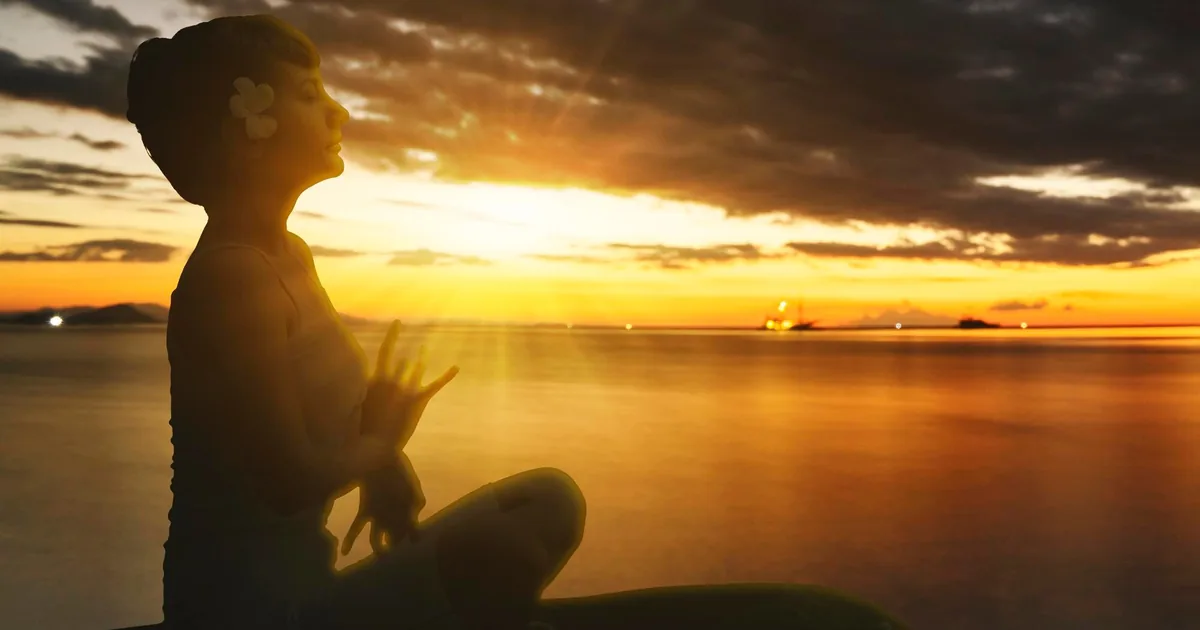
For a beginner, it is important to understand: breathing exercises is not just "breathe deeply." It is a whole science of how to manage your state through rhythm, depth, and breath retention. In esotericism, it is believed that every emotion is reflected in breathing: fear makes it shallow, anger makes it rapid, calm makes it even and deep. By consciously changing our breath, we can change our inner state, and therefore — influence the reality around us. That is why breathing exercises technique is considered one of the most accessible and effective practices of self-knowledge.
In this article, we will explore what breathing exercises is, which exercises are suitable for beginners, how to practice at home, and what results you can achieve. We will draw on ancient traditions and modern research so that you can practice consciously, without fear or prejudice. Remember: breath is your personal tool that is always with you. Let's start with the basics.
Breathing exercises for health: how breath affects the body
Breathing exercises for health is not just a trendy hobby, but a proven way to improve quality of life. Our body is designed so that breathing is directly connected to the nervous system: when we take slow, deep breaths, the parasympathetic system is activated, which is responsible for relaxation and recovery. This lowers cortisol levels — the stress hormone that destroys the body under chronic tension. By practicing breathing exercises, you send your body the signal: "everything is fine, you can relax."
In addition, breathing exercises for lungs is especially useful in the modern world, where the air is polluted and we spend a lot of time in a sitting position. Deep breathing expands the pulmonary alveoli, improves gas exchange, and helps cleanse the lungs of mucus and toxins. People who regularly practice breathing techniques note that they get sick with colds less often, tolerate physical exertion more easily, and feel a surge of energy. From an esoteric point of view, the lungs are not only a physical organ but also the "forge" of life force (prana, qi), so their health directly affects our energetic potential.
But most importantly — breathing exercises is a tool for managing attention. When you are focused on your breath, you disconnect from the inner dialogue and external distractions. This state is close to meditation, and it gives the mind rest and the body resources for recovery. Try it right now: take three slow breaths in and out, noticing how the air passes through your nose, fills your chest and belly. Do you feel the tension releasing? That is the first step toward conscious practice.
Breathing exercises for weight loss: myth or reality
Many people seek breathing exercises for weight loss, hoping that magical exercises will melt fat. Let's figure out what is true here and what is a marketing ploy. Breathing does not burn fat directly, but it can become a powerful helper in the weight loss process. First, deep breathing saturates the blood with oxygen, which is necessary for the oxidation of fat cells. The better the tissue oxygenation, the more efficient the metabolism. Second, breathing practices reduce stress levels, and stress is one of the main causes of overeating and fat accumulation in the abdominal area.
There are special techniques, such as BodyFlex or Oxycise, that combine breathing with stretching and muscle tension. They do help strengthen the abdominal muscles and improve tone, but they do not replace physical exercise and a balanced diet. From an esoteric point of view, breathing exercises for weight loss works through intention: when you breathe consciously, you tune your body toward change, and it more readily lets go of the excess. The main thing is not to expect instant miracles, but to practice regularly.
Here is a simple exercise you can do at home: lie on your back, place your hands on your belly. Take a slow breath in through your nose, inflating your belly, then a sharp exhale through your mouth, drawing your belly in. Repeat 10 times. This exercise massages the internal organs, improves digestion, and gives light muscle tone. But remember: breathing exercises for weight loss is effective only in combination with an active lifestyle. Don't believe promises of "minus 10 kg in a week" — that doesn't work. But regular practice will help you feel lighter and more energetic, and that is already half the success.
Breathing exercises for lungs: cleansing and strengthening techniques
Breathing exercises for lungs is not only a way to improve health, but also a powerful energetic practice. In esotericism, the lungs are considered the vessel of life force, and their cleansing helps not only physically but also on the subtle plane. One of the most famous techniques is full yogic breathing, which includes three phases: lower (abdominal breathing), middle (chest breathing), and upper (clavicular breathing). Once you master it, you will learn to use the full volume of your lungs, which increases oxygen intake and improves energy exchange.
Another effective practice is the cleansing breath "kapalabhati" from yoga. Sit comfortably, take a calm breath in, then sharply exhale through your nose, drawing your belly in. The exhale should be active, the inhale passive. Start with 20 repetitions, gradually increasing to 100. This technique cleanses the lungs of stagnant mucus, stimulates blood circulation, and fills you with energy. In the esoteric tradition, it is believed that kapalabhati ignites the inner fire, which helps digest not only food but also emotional impressions.
If you are a beginner, start with a simple exercise: sit up straight, close your eyes, place your hand on your chest. Take a slow breath in through your nose, imagining the air filling your lungs from bottom to top, then slowly exhale, feeling the tension leave. Repeat for 5-10 minutes. This breathing exercises technique will not only strengthen your lungs but also calm your mind. Practice daily, and you will notice how your well-being and mood improve.
Breathing exercises at home: how to create a practice
Breathing exercises at home is an ideal option for beginners, because it requires no special equipment or much space. The main thing is to create a suitable atmosphere: ventilate the room, dim the lights, you can light a candle or incense. Set aside 10-15 minutes when no one will disturb you. It is better to practice in the morning or evening, but the main thing is regularity. Even 5 minutes a day will bring more benefit than an hour-long practice once a month.
Start with a simple exercise "square breathing": inhale for 4 counts, hold for 4, exhale for 4, hold for 4. Repeat 10 times. This exercise balances the nervous system and helps you enter a state of calm. Then you can move on to more complex techniques, such as alternate nostril breathing (nadi shodhana). Sit comfortably, close your right nostril with the thumb of your right hand, inhale through the left, then close the left nostril with your ring finger, open the right, and exhale. Repeat 10 cycles. This practice harmonizes the brain hemispheres and aligns the energy channels.
It is important to remember safety: do not practice on a full stomach, avoid dizziness — if you feel discomfort, stop and return to normal breathing. Breathing exercises at home is your personal space for self-discovery. Over time, you will learn to feel your body and energy, and the practice will become a natural part of your life. If you want to delve deeper into other practices, check out articles on magic and self-knowledge on EXETERIC.
Breathing exercises exercises for beginners: step-by-step techniques
For beginners, it is important to choose simple and safe breathing exercises that require no special preparation. Here are several techniques you can master in a couple of days:
| Exercise | Technique | Effect |
|---|---|---|
| Abdominal breathing | Sit or lie down, place your hand on your belly. Inhale through your nose, inflating your belly, exhale through your mouth, drawing your belly in. | Relaxes, improves digestion, reduces stress. |
| Full breathing | Inhale, filling first the belly, then the chest, then the collarbones. Exhale in reverse order. | Increases lung capacity, fills with energy. |
| Ujjayi | Lightly constrict your throat so that a hissing sound occurs when breathing. Breathe through your nose. | Warms the body, calms the mind, aids concentration. |
These breathing exercises exercises can be performed anywhere: at home, at work, in transport. The main thing is to focus on the process and not get distracted. Start with 5 minutes a day, gradually increasing the time. Within a week, you will feel how your mood has improved and lightness has appeared in your body.
Remember that breathing exercises is not a competition. Do not try to immediately do complex techniques or hold your breath for a long time. Listen to your body: if something causes discomfort, simplify the exercise. Practice with pleasure, and the result will not be long in coming.
Breathing exercises technique: how to breathe correctly
Many people think they know how to breathe, but in reality most people breathe shallowly, using only the upper part of the lungs. This leads to chronic fatigue, anxiety, and reduced energy. Proper breathing exercises technique includes three aspects: nasal breathing, diaphragmatic breathing, and rhythm.
Nasal breathing is a natural filter that warms, humidifies, and cleanses the air. In addition, there are receptors in the nose that stimulate the parasympathetic system, helping you relax. Therefore, try to always breathe through your nose, even during physical exertion. Diaphragmatic breathing is belly breathing, in which the diaphragm descends, massaging the internal organs and improving blood circulation. To master it, lie on your back, place a book on your belly, and breathe so that the book rises and falls.
The rhythm of breathing is also important. In a calm state, the optimal rhythm is 6-8 breaths per minute. You can practice breathing with an extended exhale: for example, inhale for 4 counts, exhale for 6. This activates the parasympathetic system and helps relieve stress. Try this technique before bed, and you will notice how the quality of your sleep improves.
In esotericism, it is believed that proper breathing is the key to managing your energy. When you breathe consciously, you not only saturate your body with oxygen but also align your energy flows. This helps you feel more confident and calm in any situation. Practice daily, and you will see how your life changes.
Breathing exercises for beginners: common mistakes and how to avoid them
Beginners often make mistakes that can negate all their efforts. Here are the most common ones and ways to avoid them:
| Mistake | Why it happens | How to fix it |
|---|---|---|
| Breathing too fast | The desire to get results quickly | Slow down the pace, make inhales and exhales smooth and even. |
| Forcing breath retention | Misunderstanding of the technique | Retention should be comfortable, without strain. Start with 2-3 seconds. |
| Practicing on a full stomach | Lack of knowledge of the rules | Practice 2-3 hours after eating. |
| Expecting instant miracles | Influence of advertising | Be patient, results come with regular practice. |
It is also important not to mix different techniques without understanding their meaning. For example, energetic breathing practices (kapalabhati) should not be done before bed, as they invigorate. It is better to choose calming techniques for the evening. If you feel dizziness or tingling in your limbs, this may be a sign of hyperventilation — reduce the intensity or take a pause.
Breathing exercises for beginners should bring joy, not discomfort. Listen to yourself, and the practice will become your reliable helper on the path to harmony.
Breathing exercises and energetic practices: the connection with chakras
In esotericism, breathing is closely connected to the energy centers — chakras. It is believed that through breathing we can influence the state of the chakras, cleansing them and filling them with energy. For example, breathing with concentration on the heart area helps open the anahata chakra, which is responsible for love and compassion. For this, you can practice the following exercise: sit comfortably, close your eyes, imagine that you are breathing through the center of your chest. With each inhale, imagine green light filling your heart; with each exhale, imagine grievances and fears leaving.
To activate the root chakra (muladhara), breathing with concentration on the tailbone and visualization of the color red is used. This helps you feel stability and confidence. Breathing exercises for health can be supplemented with chakra meditation, which enhances the effect. However, it is important not to overload yourself: start with one chakra and practice for several weeks before moving on to the next.
If you want to understand the connection between breath and energy more deeply, pay attention to the guide to human design — it describes how your energy type affects your life force. It is also useful to study the astrology section to understand how planetary influences affect your breathing and state. But remember: practice is more important than theory. Breathe consciously, and you will feel how energy flows freely.
Breathing exercises for lungs: the "full breathing" technique
One of the most powerful techniques for strengthening the lungs is full yogic breathing. It includes three phases: abdominal, chest, and clavicular breathing. Once you master it, you will be able to use the full volume of your lungs, which significantly improves gas exchange and energy. Practice like this:
- Sit up straight, relax your shoulders.
- Take a slow breath in through your nose, first filling your belly (imagine the air descending into the lower abdomen).
- Continue the inhale, expanding the ribcage.
- Complete the inhale by lifting the collarbones and shoulders.
- Exhale in reverse order: first lower the collarbones, then the ribcage, then draw the belly in.
Repeat 10 times. This exercise not only strengthens the lungs but also massages the internal organs, improves blood circulation, and calms the mind. Breathing exercises for lungs is especially useful for those who live in cities with polluted air or spend a lot of time indoors. Practice daily, and you will notice how your breathing and overall well-being improve.
If you want to diversify your practice, try breathing with a retention after the exhale. After exhaling, hold your breath for 2-3 seconds, then inhale smoothly. This stimulates the parasympathetic system and helps you relax. Don't forget about safety: do not hold your breath for too long, especially if you are a beginner.
Breathing exercises for health: how to integrate practice into daily life
To make breathing exercises bring maximum benefit, it is important to integrate it into your daily life. This does not mean you need to sit in a lotus position for hours. It is enough to set aside a few minutes a day for conscious breathing. For example, practice abdominal breathing while stuck in traffic, or do a few cycles of ujjayi before an important meeting to calm down.
You can use breathing techniques to improve sleep: before bed, do 10 cycles of square breathing or breathing with an extended exhale. This will help you relax and fall asleep faster. In the morning, on the contrary, you can practice kapalabhati to invigorate and fill yourself with energy.
Breathing exercises at home is convenient, but don't limit yourself to home only. Practice in nature, in the park, by the sea — this will enhance the effect thanks to clean air. If you want to go deeper into the topic, read dream interpretation — often breathing practices affect dreams, making them more vivid and lucid. And in the fate matrix calculator, you can find out which practices suit you specifically based on your date of birth.
The main thing is regularity. Even 5 minutes a day will bring more benefit than an hour-long practice once a month. Make breath your ally, and you will feel how life changes for the better.

Your breath — your key to harmony
We have come a long way from the first breaths to deep practices, and now you know that breathing exercises is not just a set of exercises, but a whole philosophy that connects body, mind, and spirit. In esotericism, breath has always been considered a bridge between the material and subtle worlds, and by mastering it, you learn to manage your energy, and therefore — your life. But it is important to remember: breathing practices are a tool, not a panacea. They will not replace a healthy lifestyle, self-work, and respect for your boundaries. They only help you hear yourself, calm your mind, and find inner support.
In a world where everything is accelerating and stress has become a familiar companion, the ability to pause and simply breathe is a true gift to yourself. By practicing consciously, you not only improve your health but also open the door to self-knowledge. Every inhale is an opportunity to start anew, every exhale — to let go of the excess. Don't be afraid to experiment, try different techniques, but always with respect for your body and its signals. If something causes discomfort — stop, take a step back, and return to the practice later.
We at EXETERIC believe that esotericism is not secret rituals and frightening ceremonies, but a path to a conscious life. Breath is one of the most accessible and safe practices with which to begin. If you want to go deeper into the topic, check out articles on magic and self-knowledge — there you will find much useful information about meditations, energetic practices, and other development tools. And if you are interested in how your personal characteristics affect your practice, check your zodiac sign — perhaps you will find clues about which techniques suit you specifically.
Remember: breath is your personal compass that is always with you. Don't wait for the perfect moment — start right now. Take a deep breath, feel how the air fills your lungs, and exhale with gratitude. Practice regularly, and you will notice how your state, mood, and attitude toward life change. We are here to support you on this path. Explore, breathe, live consciously — and may every breath you take bring harmony.
Frequently asked questions
Can I practice breathing exercises on my own or do I need a teacher?
You can and should start on your own, especially with the simple techniques described in the article. However, if you want to master more complex practices, such as breath retention or energetic exercises, it is better to turn to an experienced instructor. He will help you avoid mistakes, select a practice suitable for your level and health condition. Self-practice is safe if you carefully listen to your body and do not force things. Remember: breath is a gentle tool, and violence against yourself is inappropriate here.
How quickly does breathing exercises produce results?
You can feel the first changes after the very first session: reduced stress, lightness in the body, clarity of mind. However, lasting results — improved lung function, normalized blood pressure, increased energy — require regular practice over several weeks. Practice daily for at least 10-15 minutes, and within a month you will notice significant changes. The main thing is not to expect instant miracles, but to trust the process. Breathing works gradually, but it lasts.
Are there any contraindications to breathing exercises?
Yes, some techniques may be contraindicated in certain conditions. For example, intense practices with breath retention are not recommended for hypertension, glaucoma, pregnancy, epilepsy, and cardiovascular diseases. If you have chronic illnesses, consult a doctor before starting. Also, do not practice on a full stomach or in a state of severe stress. Always start with gentle techniques, such as abdominal breathing, and monitor your sensations.
What should I do if dizziness occurs during practice?
Dizziness is a signal that you are breathing too intensely or holding your breath longer than necessary. Immediately stop the exercise, sit or lie down, and restore normal breathing. Drink water and rest. Next time, slow down the pace, make inhales and exhales smoother, and shorten the retentions. If dizziness recurs regularly, perhaps the chosen technique is not suitable for you — try another, gentler one. And remember: breathing should not cause discomfort, it should bring calm.