Breathing practices: 4 techniques against anxiety in 5 minutes
Why Breathing Is the Key to Calm
Anxiety is not just an emotion but a physiological reaction of the body. When we worry, breathing becomes shallow and rapid, signaling danger to the brain. This vicious cycle can be broken using breathing practices. They affect the autonomic nervous system, switching it from "fight or flight" mode to "rest and digest" mode. In the esoteric tradition, breath is considered a bridge between body and spirit, a tool for managing energy. It is no surprise that breathing practices for calming the nervous system are used across a wide range of cultures — from Indian yogis to modern biohackers.
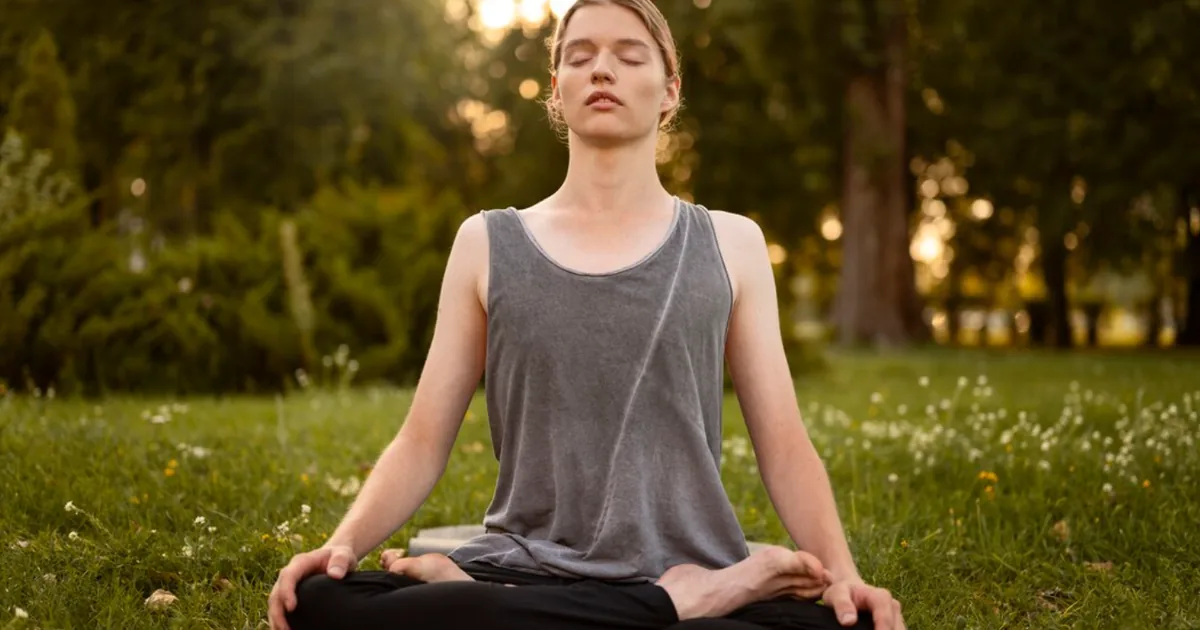
When we consciously control our breath, we influence the vagus nerve, which connects the brain to the internal organs. This triggers a cascade of reactions: cortisol levels drop, heart rate slows, muscles relax. That is why breathing practice for stress relief is considered one of the fastest and most accessible self-help techniques. You do not need special conditions — just a few minutes and the desire to restore your balance.
Technique 1: Box Breathing (4-4-4-4)
This technique comes from military training and has been adapted for civilians. It helps you quickly pull yourself together and reduce anxiety when you need to act clearly and calmly. The 4 4 4 breathing practice is a simple rhythm: inhale for 4 counts, hold for 4, exhale for 4, hold for 4. Repeat the cycle for 5 minutes, and you will feel your thoughts become clearer and your body calmer.
From an esoteric point of view, box breathing harmonizes the elements within us: the inhale is air, the hold is fire, the exhale is earth, the pause is water. By aligning the rhythm, we balance our energies. In psychology, this method is explained by the activation of the parasympathetic system, which is responsible for relaxation. Try it: sit comfortably, straighten your back, close your eyes. Slowly inhale through your nose, counting to four. Hold your breath without straining. Exhale through your mouth, also for four counts. Hold your breath again. After a few cycles, you will notice the anxiety receding.
Technique 2: Wim Hof Breathing
Wim Hof, known as "The Iceman," developed a system that allows you to control the autonomic nervous system. The wim hof breathing practice includes a series of deep inhales and exhales without pauses, followed by a breath hold after the exhale. This saturates the body with oxygen and changes blood pH, giving a surge of energy and reducing stress. The wim hof breathing practice in russian is available in numerous videos, but it is important to learn it under the guidance of an experienced instructor to avoid dizziness.
In the esoteric sense, Hof breathing is a way to "reset" the energy body and clear the channels of stagnation. Many people note that after the practice comes a feeling of lightness and clarity. Scientific studies confirm that regular performance of this breathing practice helps reduce inflammation levels and increase stress resilience. If you are a beginner, start with 3-4 cycles of 30 breaths, then gradually increase the load. Remember: it is important to practice in a safe environment, sitting or lying down, and not to overdo it.
Technique 3: Anuloma Viloma (Alternate Nostril Breathing)
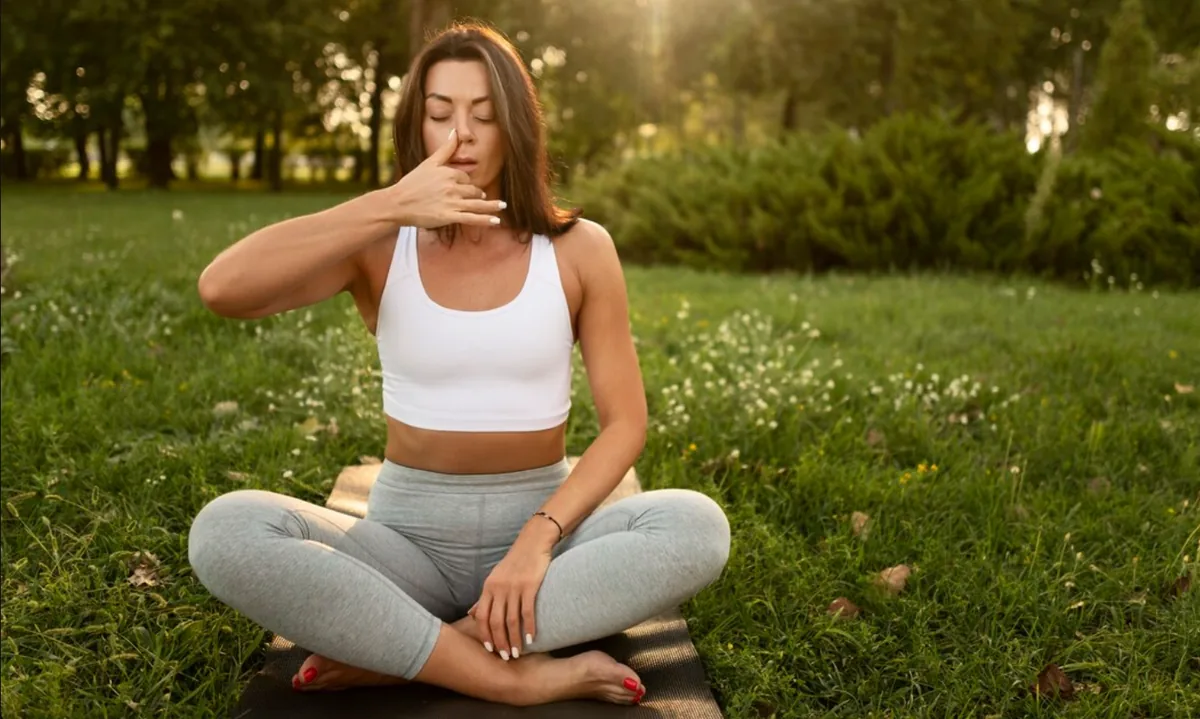
Anuloma viloma is a classic yogic breathing practice that balances the left and right hemispheres of the brain, as well as the ida and pingala channels. It is performed simply: close the right nostril with your thumb, inhale through the left, then close the left nostril with your ring finger and exhale through the right. Then inhale through the right, close it, and exhale through the left. That is one cycle. The anuloma viloma breathing practice helps with anxiety, insomnia, and emotional instability.
From a physiological standpoint, alternate nostril breathing synchronizes the work of the hemispheres, which improves cognitive function and emotional regulation. In esotericism, it is believed that this anulom vilom breathing practice cleanses the nadis — the energy channels — promoting the free flow of prana. Start with 5 minutes a day, gradually increasing to 15. You will notice that you become calmer and more balanced. This technique is especially useful before meditation or important negotiations.
Technique 4: Strelnikova's Breathing Practice
Strelnikova's breathing practice was developed in the USSR to restore the voice but proved effective for stress and panic attacks. Its essence lies in sharp, short inhales through the nose while simultaneously compressing the chest. This activates the diaphragm and improves gas exchange. Strelnikova's breathing practice includes many exercises, but for relieving anxiety, the basic one is enough: standing, arms bent at the elbows, palms facing up. On a sharp inhale, clench your fists; on the exhale, relax them. Repeat for 5 minutes.
Unlike other techniques, Strelnikova breathing is an active practice that requires movement. It helps "shake out" stagnant energy and shift attention from anxious thoughts to bodily sensations. In the esoteric context, this is a way to disperse stagnant energy in the lower chakras and allow it to rise. Many psychologists recommend it for hyperventilation caused by stress. Try it when you feel anxiety building, and you will notice how the body fills with vigor and the mind calms down.
Comparison of Techniques: How to Choose Yours
| Technique | Primary Effect | When to Use | Contraindications |
|---|---|---|---|
| Box Breathing | Balancing the nervous system | Before an exam, interview | None |
| Wim Hof Breathing | Energizing, stress relief | In the morning for vitality | Pregnancy, hypertension |
| Anuloma Viloma | Balancing hemispheres, calming | In the evening for relaxation | Cold, nasal congestion |
| Strelnikova's Breathing Practice | Activating blood circulation | During a panic attack | Spinal injuries |
The choice of breathing practice depends on your current needs. If you need to quickly calm down before an important event, box breathing will work. If you feel a loss of energy and anxiety at the same time, try Wim Hof breathing. Anuloma viloma is a universal tool for daily practice, and Strelnikova breathing is emergency help for acute stress. Do not be afraid to experiment: breathing practice systems are diverse, and you will surely find the one that resonates with you.
How to Integrate Breathing Practices into Daily Life
For breathing practices to help, they need to be performed regularly. Just 5 minutes in the morning and evening is enough to notice changes. You can combine different techniques: for example, do Wim Hof breathing in the morning for energy and anuloma viloma in the evening for relaxation. Breathing practices for calming the nervous system will become your anchor in stressful situations.
Try incorporating breathing exercises into your meditation practice. Meditation breathing practice is a natural alliance: conscious breathing deepens the state of presence. If you are just starting out, pay attention to breathing practice courses where experienced mentors will help you master safety techniques. For example, elena goleva breathing practices combine ancient knowledge with modern approaches, while the yakovichin breathing practice focuses on physical tension. Explore different schools, but remember: the main thing is your inner state.
Do not forget that breathing practices are not a panacea but a tool. They help relieve the symptom, but for deep work with the causes of anxiety, it is worth seeing a psychologist or using other self-discovery practices, such as articles on magic and self-discovery in our blog. Explore your inner world, and you will find harmony.
Breath and Energy: The Esoteric View
In esotericism, breath is considered the carrier of prana — life force. By controlling the breath, we control our energy. Breathing practices for calming help not only on the physical level but also on the subtle level: they cleanse the aura and strengthen the connection with oneself. When we are anxious, our energy scatters and we lose our inner core. Breath returns us to the center and helps gather energy into a whole.
Try the following exercise: sit with a straight back and close your eyes. Imagine that with each inhale you breathe in golden light, and with each exhale you release the gray fog of anxiety. This visualization enhances the effect of the breathing practice. You can combine breath with affirmations: on the inhale think "I am calm," on the exhale — "I let go." This approach helps reprogram the subconscious and reduce anxiety levels.
Remember that breathing practices are a bridge between body and spirit. They are accessible to everyone, regardless of experience. Start small — and you will be amazed at how powerful a tool you possess.
Beginner Mistakes in Breathing Practices
Many people starting to practice make mistakes that negate the entire effect. The first mistake is performing too quickly. Breathing should be slow and deep, otherwise you risk hyperventilation. The second mistake is ignoring the body's signals. If you feel dizzy or tingling, stop and return to normal breathing. The third mistake is expecting instant results. Breathing practices work cumulatively, so do not quit after the first session.
It is also important not to practice in unsuitable conditions: in a stuffy room, after a heavy meal, or while heavily intoxicated. Choose a quiet place where no one will disturb you. If you are doing the wim hof breathing practice in russian, follow the instructions and do not exceed the recommended number of cycles. Remember that breathing practices help but do not replace medical care for serious mental disorders.
| Mistake | Why It Hinders | How to Do It Right |
|---|---|---|
| Breathing too fast | Causes hyperventilation | Breathe slowly and evenly |
| Ignoring discomfort | Can lead to injury | Listen to your body |
| Irregular practice | No cumulative effect | Practice daily |
Breathing in Emergency Situations
When anxiety hits suddenly, it is important to have a quick way to calm down at hand. Breathing practice for stress relief can be done even in a public place. For example, the "4-4-4" technique is unnoticeable to others: you simply breathe in a certain rhythm. If you feel a panic attack approaching, try box breathing or holding your breath on the exhale — this reduces arousal.
The moriarty breathing practice is another method used by special services for rapid recovery. It consists of short inhales and long exhales, which activates the parasympathetic system. Use it when you need to quickly pull yourself together. The metelitsa breathing practice, on the contrary, involves frequent shallow breaths, which can increase anxiety, so it is better to avoid it under stress.
Emergency techniques do not replace regular practice, but they can become your "first aid." Write down a few algorithms for yourself: for example, box breathing for public speaking, anuloma viloma for sleep, Hof breathing for a morning charge. This way you will be ready for any situation.
Mindful Breathing Practice in Everyday Life
Mindful breathing is not only separate exercises but also a way of living. You can practice it while standing in line, driving, or before sleep. Simply pay attention to your breath: feel the air entering and leaving. This instantly returns you to the present moment, reducing anxiety levels. Whatever breathing practices you choose, the main thing is regularity.
Try linking breath to everyday actions: for example, take three deep breaths before answering a call, or exhale tension when you feel irritation. These are simple yet effective ways to integrate practice into life. You can also use breath as an anchor for meditation: focus on the flow of air and notice how thoughts drift away.
If you want to go deeper into the topic, check out the Human Design guide — perhaps your strategy will suggest which type of breathing suits you best. And in the astrology section, you can learn how lunar phases affect your emotional state and choose the right time for practices. Breath is a universal key, but everyone opens their own door with it.
Breath as a Path to Yourself
When we talk about breathing practices, it is important to remember: these are not just techniques for quick calming but an ancient tool that connects us to our own depth. In esotericism, breath has always been considered a bridge between the material and the subtle, between body and spirit. By mastering it, you not only learn to cope with anxiety but also begin to better understand your energetic rhythms, your strengths and weaknesses. This is a path to a more conscious life, where you do not fight yourself but cooperate with yourself.
In the EXETERIC media, we often say that esotericism is not an escape from reality but a way to see it more deeply. Breathing practices are a vivid example. They do not require complex rituals or special conditions, yet they open the door to inner silence. If you feel ready to explore yourself further, take a look at the EXETERIC guide to esotericism — there you will find materials to help you navigate the world of symbols, energies, and practices. Do not fear the unknown: often behind it lies something that can become your support.
Remember that breath is always with you. In any stressful situation, you can return to it as to an anchor. Practice mindfully, with respect for your body and your sensations. Do not wait for instant miracles — simply allow yourself to be in the process. And if you want to deepen your self-understanding, pay attention to the astrology section: perhaps your zodiac sign will suggest which type of breathing or meditation suits you best. Astrology and breathing practices are two tools that help us tune into our inner rhythms.
At EXETERIC, we believe that true magic lies in mindfulness. When you breathe, you are already creating: you are creating space for calm in your life. Do not stop at what you have achieved. Explore, try, ask questions. And may your breath become a faithful companion on the path to harmony. If you want to learn more about other practices and approaches, check out the EXETERIC blog — there we share knowledge that helps people live consciously and joyfully.
Frequently Asked Questions
Can breathing practices be done during pregnancy?
Pregnancy is a special time when a woman needs to be especially attentive to her body. Some breathing techniques, such as Wim Hof breathing, which involves intense hyperventilation and breath holds, may be contraindicated as they can cause dizziness or affect blood pressure. However, gentle practices such as box breathing or anuloma viloma are often recommended for relaxation and preparation for childbirth. Nevertheless, before starting any breathing exercises, be sure to consult your doctor. Listen to your body: if you feel discomfort, stop the practice. It is best to choose techniques that do not require strong breath holds and are performed at a calm pace.
Which breathing technique is most effective for a panic attack?
During a panic attack, it is important to quickly switch the nervous system from "fight or flight" mode to relaxation mode. One of the most effective techniques is box breathing (4-4-4-4): inhale for 4 counts, hold for 4, exhale for 4, hold for 4. This rhythm helps slow the heart rate and lower cortisol levels. Breathing with an extended exhale also works well, for example, inhale for 4 counts, exhale for 6-8. This activates the parasympathetic system. It is important to practice these techniques regularly so that they work automatically at the moment of panic. If panic attacks recur, be sure to consult a specialist.
Can breathing practices replace meditation?
Breathing practices and meditation are different tools, but they are closely related. Breath is often used as an object of focus in meditation, so breathing exercises can be excellent preparation for meditation or part of it. However, meditation is a broader practice that includes observing thoughts, developing mindfulness, and concentration. Breathing practices, especially those aimed at calming, help quiet the mind and prepare the body for meditation. You can combine them: first do a few minutes of breathing exercises, then transition to meditation. In this case, breath becomes a bridge to a deeper state of peace.
How often should breathing exercises be practiced to reduce anxiety?
Regularity is the key to success. For a noticeable reduction in anxiety, it is recommended to practice breathing exercises daily, at least 5-10 minutes. It is best to do this at the same time each day, for example, in the morning after waking up or in the evening before bed. This helps cement the skill and make practice a natural part of the day. However, even a few minutes of breathing at the moment of stress can bring relief. It is important not to expect instant results: the effect accumulates over time. After a few weeks of regular practice, you will notice that you have become calmer and handle stressful situations more easily. The main thing is not to quit, even if it seems like nothing is changing in the first few days.