Exorcism: How Demons and Devils Are Cast Out — The Rite Step by Step
What is exorcism and how demons are cast out: a look without panic
The word "exorcism" sends a chill down many people's spines: spinning heads, green slime, and a priest with a crucifix come to mind. Hollywood did its best. But if you strip away the special effects, exorcism is an ancient practice of casting out demons and devils that exists in Christianity, Judaism, Islam, and a number of pagan traditions. And we are not talking about a "terrible secret," but about a specific spiritual work with its own stages, rules, and safety procedures.
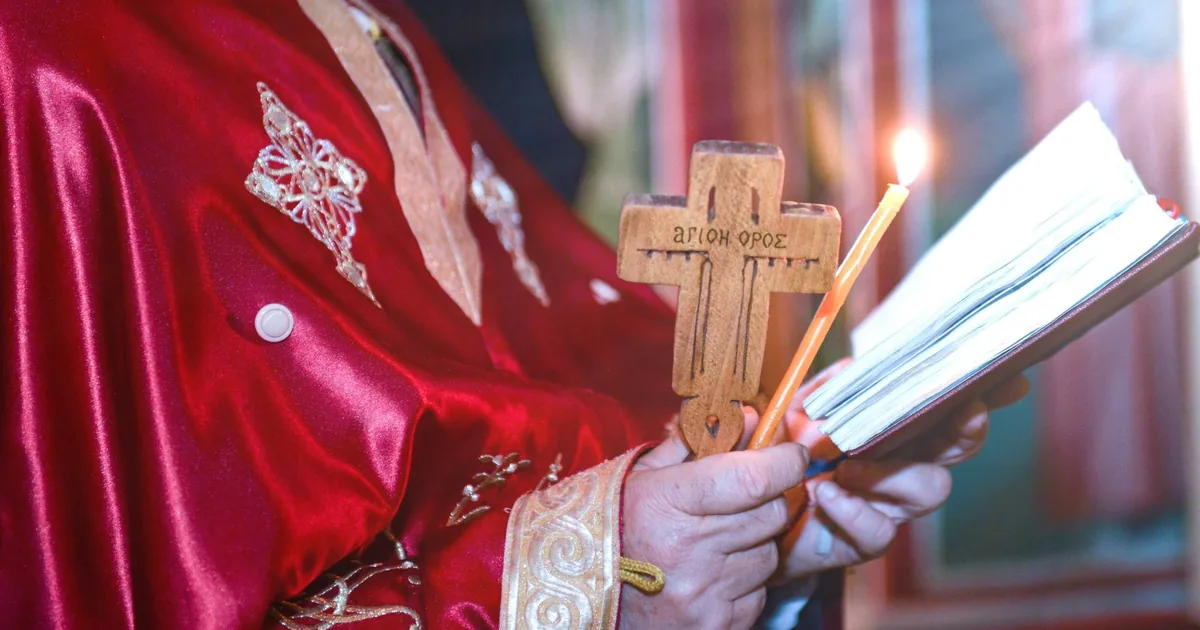
In the broad sense, exorcism how demons and devils are cast out is a set of prayers, rituals, and psychological support, the goal of which is to restore a person's wholeness. From an esoteric perspective, possession is seen as the extreme degree of discord between the soul, body, and will: an entity (demon, devil, larva) occupies a "hole" in the energy field that arose from trauma, fear, or deliberate contact with dark practices. And the task of the rite is not simply to "drive out," but to restore protection and connection with oneself.
It is important to understand: in 99% of cases, what people call possession turns out to be a psychiatric diagnosis, a severe neurosis, or the result of substance use. Therefore, a competent approach always begins with differentiation: where is the spiritual crisis, and where is the medical problem? At EXETERIC we hold to a position of awareness: esotericism is a tool for self-knowledge, not a substitute for a doctor. If you are looking, in other practices on the EXETERIC blog we have already covered how to distinguish spiritual crises from mental illness.
Historically, the rite of exorcism was described step by step as early as the Catholic Church's "Ritual" (1614) and in the prayer books of the Orthodox tradition. But long before Christianity, shamans, priests, and healers practiced the casting out of entities through sound, smoke, fasting, and symbolic actions. The common core everywhere is the same: isolation, cleansing, naming the name of the entity, and compelling it to leave. That is precisely why exorcism how demons and devils are cast out is not a chaotic waving of a censer, but a strict sequence.
Who performs the rite and how: the role of the priest and the exorcist
In the Catholic and Orthodox traditions, the rite of exorcism is performed only by a specially appointed priest — an exorcist. This is not an ordinary parish priest, but a person who has received a bishop's blessing, undergone training, and, what is more important, possesses personal spiritual stability. In Orthodoxy, such priests are called "reciters of prayers of exorcism": they read prohibitory prayers, the canon, and address the devil directly.
Why is this critical? Because exorcism is an energetic confrontation. If the practitioner lacks inner purity, fear, and self-interest, the entity may "jump over" onto them. In esotericism this is called interception or attachment. Therefore, exorcism how priests cast out devils always includes preparation of the exorcist themselves: fasting, confession, communion, and a prayer rule. Without this, the rite turns into a dangerous game.
In non-church practices (shamanism, folk magic), the role of the one who casts out is taken by a healer, a shaman, or an experienced practitioner. There is no single canon here, but there are iron rules: do not work alone, do not work without protection, do not work out of curiosity. If you encounter a "master" who promises to cast out a demon for money without diagnosis and preparation — that is a red flag. Real practice begins with an honest conversation and a diagnostic assessment of the condition.
Let us say a separate word about home attempts. The query "exorcism how demons are cast out at home" is one of the most common. And here we are honest: casting an entity out of another person on your own is dangerous and irresponsible. At home you can perform a cleansing of the space (candle, salt, ringing, prayer), but if we are talking about real possession, you need a specialist. It is another matter — working with your own fears and "inner demons" through awareness practices, which we describe in articles on magic and self-knowledge.
The rite of exorcism step by step: the stages of casting out demons
The classic church rite of exorcism includes several sequential stages. We will break them down as they appear in real practice — without mystical fog, but with respect for tradition. Understanding how exorcism takes place step by step helps dispel unnecessary fear and see the logic of the process.
Stage 1. Diagnosis and differentiation
Before reading the prayers of casting out, the priest or practitioner conducts a conversation and observation. Signs are checked: reaction to holy objects, changes in voice, knowledge of hidden things, physical strength, aversion to prayer. But at the same time, psychiatric causes are ruled out. In Catholic practice, a consultation with a psychiatrist is mandatory for this. In the esoteric approach — an assessment of the energy field and the person's behavior outside the ritual.
At this stage, an intention is formed: why are we doing this, what result do we want. If the motive is "to prove that demons exist" or "to become famous," the rite is not performed. The intention must be pure: the liberation of the person.
Stage 2. Preparation: fasting, confession, protection
The possessed person (or the one over whom the rite is being performed) prepares through fasting, confession, and communion. The exorcist strengthens the prayer rule, puts on the epitrachelion, takes the cross, the Gospel, and holy water. In the esoteric tradition, salt, wormwood, a black candle for severing, and a white one for protection are used. The room is cleansed with the smoke of incense or herbs.
This is not a formality. Preparation creates a "corridor" through which the energy will move. If it is skipped, the entity may anchor itself more deeply or attack the surroundings.
Stage 3. Reading prayers and addressing the entity
The central part is exorcism the rite and prayers of casting out. The priest reads prohibitory prayers, psalms, addresses the devil by name (if it has been revealed) and demands that it name itself. In Orthodoxy, the canon to the martyr Tryphon, the prayers of Basil the Great, and John Chrysostom are read. In Catholicism — the "Ritual" and the prayer of Pope Leo XIII.
At this moment, reactions may occur: screaming, convulsions, changes in voice, blasphemy. This is not a reason for panic, but a sign of contact. The exorcist's task is not to enter into dialogue, but to maintain the prayer rhythm and not give in to provocations.
Stage 4. Casting out and sealing
When the entity is weakened, the final formula of casting out is read. In the Catholic tradition: "Go forth, unclean spirit, and do not return." In the Orthodox tradition — "I forbid you, unclean soul, in the name of our Lord Jesus Christ." After this, the space and the person are sprinkled with holy water, thanksgiving prayers are read, and protection is applied.
Important: exorcism what is done to the demon after the casting out? It is not "killed" or "destroyed" — it is sent back to the place it came from, with a prohibition against returning. In esotericism, this may mean sending it to the lower layers or sealing it within an element. But always — with the closing of the "door" through which it entered.
Stage 5. Restoration and follow-up
After the rite, the person needs a period of rehabilitation: prayer, fasting, sacraments, psychological support. The energy field is weakened, and a new entity can easily enter it. Therefore, exorcism the casting out of a demon stages do not end with "go forth." This is a long process of returning to oneself.
| Stage | Goal | Actions | Risks if skipped |
|---|---|---|---|
| Diagnosis | Distinguish possession from psychiatry | Conversation, observation, doctor's consultation | Treating the wrong thing |
| Preparation | Create protection and purity | Fasting, confession, consecration of attributes | The entity strengthens and attacks the surroundings |
| Prayers of casting out | Weaken and draw out the entity | Reading canons, addressing by name | The entity anchors itself more deeply |
| Casting out and sealing | Close off access | Formula of casting out, holy water, protection | Return of the entity in an intensified form |
| Restoration | Restore wholeness | Prayer, sacraments, therapy | Relapse or attachment of a new entity |
How devils are cast out exorcism: method and tools
The method of casting out varies depending on the tradition, but the core is always the same: applying pressure on the entity through what weakens it. In Christianity this is the name of Christ, the cross, holy water, incense, and the reading of Scripture. In shamanism — the sound of the drum, smoke, stones, herbs. In folk magic — wax pourings, salt, amulets.
The key tool is the word. exorcism how demons are cast out by prayer works because prayer creates a stable vibration that resonates with the human soul and destroys the entity's connection to the body. This is not the magic of incantations, but the power of intention and faith. In esotericism this is explained through frequencies: demonic entities feed on low vibrations (fear, anger, lust), while prayer raises the vibration to a level where they cannot exist.
The second tool is the name. If the entity names itself, it loses its anonymity and power. Therefore, in the rite it is so important to obtain the name. But the exorcist must not enter into bargaining: naming the name is a compulsion, not a dialogue.
The third tool is physical influence. Holy water, the laying on of hands, the sign of the cross, and sometimes light strikes to the body (in extreme cases). This is not violence against the person, but a way to "shake out" the entity from the energy centers.
In non-church practices, wax pouring is used: melted wax is poured into water above the person's head, and the shape of the hardened figure is used to judge the entity. This is exorcism the method of casting out, which requires great experience: a misinterpretation can worsen the condition.
Let us say a separate word about video. The query "exorcism how demons are cast out rite video" often leads to shocking footage. We do not recommend watching such content without preparation: it can sow fear and even "attach" an entity through emotional resonance. It is better to study the theory from verified sources, and practice only with a mentor.
Myths and reality: what is wrong with exorcism in popular culture
So many myths have grown up around the casting out of demons that the real practice gets lost behind the special effects. Let us break down the most persistent misconceptions — and see how things actually stand. This matters because fear built on myths prevents a sober assessment of the situation.
| Common myth | Why this is not so | How it actually is |
|---|---|---|
| Exorcism always involves screaming, vomiting, and spinning heads | Hollywood amplifies the drama; in reality most cases proceed quietly | Most often it is long prayer, tears, trembling, and subsequent exhaustion |
| A demon can be cast out in a single session | The entity may resist and return | Several sessions, fasting, and recovery are required |
| Any priest can perform the rite | Without a blessing and preparation this is dangerous | Only an appointed exorcist with experience and spiritual stability |
| Possession is always the indwelling of a devil | 99% of cases are psychiatry or psychosomatics | First diagnosis, then spiritual work |
| A demon can be cast out at home on your own | Without protection and experience the entity transfers to the one casting it out | At home — only cleansing of the space, not casting out from a person |
Another myth: exorcism is a thing of the Middle Ages. In fact, the International Association of Exorcists still operates at the Vatican, and in Orthodoxy there are special courses for priests. In 2019 the Vatican updated the "Ritual," adding recommendations for working with psychiatrists. This shows that the Church takes the practice seriously and does not deny the importance of a scientific approach.
The esoteric community has its own myths too: for example, that a demon can be "reprogrammed" or used for one's own purposes. This is a dangerous illusion. Entities do not serve a person — they use them. Therefore, exorcism the rite of demons priest is always aimed at complete removal, not at a bargain.
Cleansing the home and space: what to do if you feel a presence
A separate topic is the cleansing of the dwelling. People often confuse the possession of a person with an "unclean" place. If heaviness, cold, strange sounds, or causeless quarrels are felt in the house, this may be a sign of energetic contamination. And here you can act on your own, without a complex rite of exorcism.
Here is a step-by-step practice for cleansing the space that we recommend:
- Ventilate all the rooms, open windows and doors for 15–20 minutes.
- Walk around the perimeter with a lit candle (preferably wax, not paraffin), reading a prayer or an affirming formula: "This house is my territory. Only light and peace are here."
- Wipe the thresholds and corners with salted water, and add a pinch of salt to the corners.
- Ring a bell or walk around with wormwood: the smoke clears stagnant energy.
After cleansing, it is important to fill the space with something bright: light a white candle, put out fresh flowers, play calm music. The emptiness that forms after the casting out must be filled, otherwise a new entity will come in. This is a principle that also applies to a person: after a demon is cast out, rehabilitation is needed.
If, however, we are talking about a person showing signs of possession, home methods will not help. Here you need exorcism the rite in church or a referral to an experienced practitioner. And the first thing you should do — is not to panic and not to look for a "master" from an advertisement, but to gather information, and talk to a psychiatrist and a priest.
In esotericism there is another aspect: work with the soul. exorcism how demons are cast out of the soul is not only the casting out of an entity, but also the healing of the trauma that opened the door. Often after the rite a person needs psychotherapy, work with the ancestral lineage, and forgiveness. Without this, the entity may return, because the "hole" remains.
This is why we at EXETERIC always emphasize: esotericism is a tool, not a panacea. Study the subject, but do not turn it into a cult of fear. If this approach resonates with you, take a look at other practices on the EXETERIC blog — there we cover protection, cleansing, and working with energy without intimidation.
Preparing for the rite: what you need to know and do in advance
If you or a loved one have encountered a situation where the rite of exorcism may be needed, it is important to prepare properly. This reduces risks and increases effectiveness. Here are the key steps recommended by both priests and experienced practitioners.
First, gather the medical history. Write down when the manifestations began, what preceded them (stress, trauma, contact with occultism, substance use). This will help distinguish a spiritual problem from a medical one. Second, undergo a medical examination: a neurologist, a psychiatrist, an endocrinologist. Rule out epilepsy, schizophrenia, and dissociative disorder.
Third, find the right specialist. In Orthodoxy, contact the diocese and find out which of the priests has a blessing to perform prayers of exorcism. In Catholicism — go to the bishop. In the esoteric community, look for a practitioner with recommendations and an open reputation. Do not be shy to ask questions: how the rite proceeds, how many sessions are needed, what preparation is required.
Fourth, prepare yourself. Fasting, prayer, giving up bad habits, forgiving offenses. The purer your state, the smoother the rite will go. And remember: exorcism how the rite is performed — this is not a spectacle, but serious spiritual work where every detail matters.
And last: do not face the problem alone. Possession is nothing to be ashamed of — it is an illness of the soul that can be treated. Seek help, but keep your critical thinking. If you are promised a "guaranteed result in one session" or asked for a large sum of money upfront — that is charlatanism. A true exorcist does not trade in salvation.
In the next section we will examine a specific example from practice that shows how the rite of exorcism works step by step in real life — without embellishment and without horrors.
An example from practice: how the rite of casting out proceeded in one case
Let us describe a case that often appears in the accounts of priests and practitioners. A 34-year-old woman, let us call her Anna, came after a series of strange events: nightmarish dreams, voices, aversion to prayer, sharp mood swings. A psychiatrist ruled out schizophrenia and epilepsy, but her condition was worsening. After a conversation and observation, the priest confirmed the need for the rite.
Preparation took two weeks: Anna fasted, confessed, and took communion. The exorcist strengthened the prayer rule and consecrated the room. The rite itself took place in the church, in the presence of two assistants. First the introductory prayers were read, then the canon. At the 20th minute Anna began to scream, her voice changed, and she started uttering phrases in an unknown language. The priest did not interrupt, continuing to read the prohibitory prayers.
The climax came at the 40th minute: the entity named itself and was cast out by the formula. Anna lost consciousness and was sprinkled with holy water. After the rite she slept for almost a day, and then a period of recovery began: prayer, sacraments, therapy. After three months her condition stabilized, but the priest warned: occult practices must be avoided and her condition monitored.
This example shows that exorcism the casting out of a demon step by step is not a single act, but a process with clear stages. And one more important point: Anna was not "evil" or "sinful" — she became a victim of circumstances. Therefore, such people must not be judged. They need support, not stigma.
If you feel that something similar is happening to you or a loved one, start with diagnosis. Do not self-treat and do not look for quick solutions. And remember: even after a successful rite, exorcism how demons and devils are cast out requires a person to work on themselves — otherwise the door may open again.
In esoteric practice there is a technique of "sealing": after the casting out, the person is given an amulet, protective prayers are read, and they are taught to track their states. This helps to hold the result. But the main thing is to regain one's will and desire to live. Without this, any rite will be temporary.
And the final piece of advice: if you are interested in the subject, study it with a clear head. Read books on demonology, but do not forget about psychology. Seek a balance between faith and reason. Then exorcism how demons are cast out rite will stop being a horror story for you and become an understandable practice — with its own rules, history, and place in spiritual work.

What to do with fear of the unknown: the path of awareness instead of panic
The topic of casting out demons and devils frightens us first and foremost because we poorly understand its nature. Fear of the unknown is a natural reaction of the psyche, but it is also the main ally of any dark entity: where horror lives, the will weakens and the connection with oneself is lost. Therefore, the most important step is not to urgently look for a "master" or a "powerful exorcist," but first to calm down, gather information, and honestly look at your own condition. Esotericism in this sense is not a collection of scary stories and not a way to frighten yourself even more, but a tool of self-knowledge that helps distinguish where a real spiritual problem lies and where there is an unprocessed trauma, fatigue, or a medical diagnosis.
We at EXETERIC have said many times: a conscious approach begins with a rejection of cultish extremes. You do not need to believe everything blindly, but neither should you arrogantly deny millennia of experience. Study the practices of EXETERIC — they gather calm, thoughtful materials on protection, cleansing, and working with energy without intimidation. If the topic of possession worries you, start with something simple: put your house, your thoughts, and your relationships in order. Often "demons" turn out not to be entities from outside, but our own fears, resentments, and unspoken desires that we have carried with us for years. And then working with them is no longer exorcism, but an honest conversation with yourself.
It is also useful to look into the astrology section and look at your zodiac sign: astrology does not cast out demons, but it helps you see your strengths and weaknesses, understand where recurring patterns come from, and why periods of decline occur in life. This is not a substitute for spiritual work, but an additional tool of self-understanding that lowers the level of anxiety and restores a sense of control. When a person understands themselves, it is much harder to convince them that they are possessed or cursed — they see their own states and know how to handle them.
If you want to delve deeper into the subject, read other practices on the EXETERIC blog — we cover protection, cleansing, work with lineage and energy, drawing on both tradition and common sense. And remember the main thing: no rite can replace your own inner work. Exorcism may close the door, but you will be the one living in the house. So do not fear what you do not understand — fear being left alone with it, without knowledge and support. Study, ask questions, try practices consciously and with respect for yourself and others. Then any darkness will stop being frightening and will simply become part of the map you are walking along toward your true self.
Frequently asked questions
Can a demon be cast out on your own, without a priest?
Casting an entity out of another person on your own is an extremely risky undertaking that experienced practitioners do not recommend. Without preparation, protection, and an understanding of the process, the entity may not leave, but transfer to the one doing the casting out, growing stronger from their fear and uncertainty. At home it is acceptable only to perform a cleansing of the space: candle, salt, ringing, prayer, or affirming formulas. If we are talking about real signs of possession — changes in voice, reaction to holy objects, knowledge of hidden things — you need a specialist: a priest with a blessing or a practitioner with a reputation. Improvisation in such cases is dangerous both for the "patient" and for the one trying to help.
How many sessions are needed to cast out a devil?
One session is almost never enough, although in the movies everything looks different. In real practice, the casting out can take anywhere from a few meetings to months and even years, depending on the depth of the problem, the person's condition, and the strength of the entity. Sometimes the entity leaves quickly, but then returns if the "door" through which it entered — trauma, fear, occult experience — has not been closed. Therefore, the rite is always accompanied by preparation, fasting, confession, and a long period of recovery. Priests and practitioners usually speak not of the number of sessions, but of the person's readiness to change and work on themselves.
How does possession differ from a mental disorder?
Distinguishing these states is difficult even for specialists, which is why a competent approach always begins with medical diagnosis. A psychiatrist rules out schizophrenia, epilepsy, dissociative disorder, and the effects of substance use — in most cases it is these that explain the strange behavior. Possession in the spiritual sense manifests through a reaction to holy objects, aversion to prayer, changes in voice, knowledge of hidden information, and unusual physical strength. But even with such signs present, the Church today recommends parallel work with a doctor. The spiritual and the mental do not exclude each other, and a true specialist never dismisses medicine.
What should be done after the rite of casting out so that the demon does not return?
After the rite, the person needs a period of recovery, and this is no less important a part than the casting out itself. The energy field is weakened, so it is important to fill the resulting emptiness with bright practices: prayer, sacraments, fasting, psychotherapy, a calm environment. It is useful to avoid occult experiments, heavy emotional upheavals, and contact with people who drag you down. Many practitioners advise wearing an amulet, reading protective prayers, and learning to track your own states so as to notice warning signals in time. And the main thing — is to regain your will and desire to live: without inner work, any protection will remain temporary.