Bedroom Feng Shui: Rules for Good Sleep and Harmony
Bedroom Feng Shui: Where to Begin?
Bedroom feng shui is not just a trendy fad, but an ancient art of creating a space that supports your health, relationships, and inner balance. We spend about a third of our lives in the bedroom, and its energy directly affects the quality of sleep, emotional state, and even how relationships with a partner unfold. Many perceive feng shui as a set of superstitions, but in reality, it is a coherent system based on observations of the flow of chi energy and its interaction with a person. If approached consciously, you can turn your bedroom into a place of power where strength is restored and harmonious unions are born.
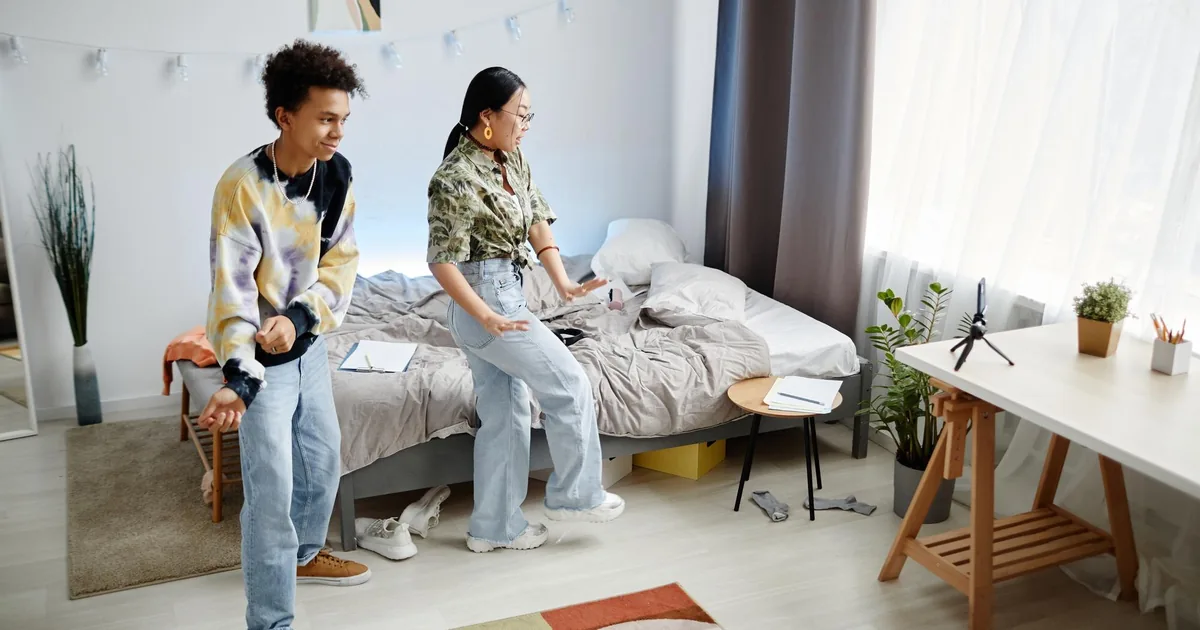
Before rearranging furniture or buying new curtains, it is important to understand the main principle: feng shui does not tolerate fanaticism. The rules work when you take into account your individual characteristics, layout, and even lifestyle. For example, a young couple dreaming of children has one set of recommendations, while elderly people who value peace have another. So let's start with the basic principles, and then move on to specific details — from bed placement to choosing pictures.
Where to Place the Bed: The Main Rule of Bedroom Feng Shui
The bed is the central element of the bedroom, and its placement determines everything. The question "feng shui bedroom where to place the bed" is one of the most common. According to tradition, the bed should be in the "command position": you should be able to see the door while lying in bed, but not be directly opposite it. This provides a sense of safety and control, which is especially important for deep sleep. If the bed is positioned so that you cannot see the entrance, it creates subconscious anxiety that prevents relaxation.
The ideal position is when the headboard of the bed is against a solid wall, with free space on both sides. This symbolizes support and balance. If the bed is by a window, chi energy will "leak" through the glass, disrupting sleep. You should also not place the bed flush against a wall behind which there is a bathroom or toilet — this creates an unfavorable flow of energy.
What to do if the layout does not allow for the perfect bed placement? Use thick curtains, screens, or a tall headboard to create a sense of protection. For example, if the bed is opposite the door, hang a light curtain on the door or place a decorative screen. This will soften the direct flow of energy and add coziness.
It is important to remember: feng shui for a marital bedroom requires that the bed be large enough and accessible from both sides. This symbolizes equality and harmony in the couple. If one partner has to "climb over" to get to their side, it can cause subconscious irritation. Therefore, even in a small room, try to leave passages on both sides.
Mirror in the Bedroom According to Feng Shui: Is It Allowed and Where to Hang It?
A mirror in the bedroom according to feng shui is a topic that sparks much debate. Traditionally, it is believed that mirrors reflect energy, and if they are directed at the bed, they can "double" problems or interfere with rest. It is especially dangerous to hang a mirror so that it reflects a sleeping couple — this can lead to cooling of feelings or even infidelity. But it is not all so categorical: a mirror in the bedroom is acceptable if it does not reflect the bed or the door.
The best place for a mirror is inside a wardrobe or on a door that can be closed. If you want a large mirror, hang it so that it reflects a beautiful landscape or interior, but not the bed. For example, behind a dressing table, if it is not opposite the bed. Also avoid mirrored ceilings and tiles — they create a sense of disharmony and deprive you of sleep.
If you have already noticed that a mirror reflects the bed and do not want to move it, simply cover it with fabric at night or hang a decorative panel on it. This neutralizes the negative influence.
Feng Shui Colors in the Bedroom: How to Choose a Palette
Feng shui colors in the bedroom are not just aesthetics, but a tool for tuning energy. Warm, muted tones (peach, cream, light pink) promote relaxation and a romantic atmosphere. Cool shades (blue, lavender) calm the mind and help with insomnia. Bright red or orange, on the other hand, can cause overstimulation and anxiety, so they are best used in small accents — for example, in pillows or decor.
If you want to enhance the energy of love and partnership, add elements of pink and terracotta. For improving health — green and brown tones reminiscent of nature. But the main rule is to listen to yourself: if a color causes you discomfort, even the most "correct" shade according to feng shui will not work.
It is also important to consider the direction the window faces. Blue and light blue tones suit a north-facing bedroom, green and earthy tones for the south, green and brown for the east, and white and metallic for the west. But do not overcomplicate it: just choose 2-3 main colors and use them in textiles, walls, and decor.
Pictures and Decor: What Can Be Hung in the Bedroom
Bedroom feng shui pictures are a powerful tool, as images carry specific energy. It is best to choose pictures with calming subjects: nature, water, pastoral landscapes, pairs of birds, or flowers. They promote harmony and restful sleep. Avoid images of predators, raging waterfalls, solitary figures, or abstract art with sharp angles — they can cause anxiety and aggression.
Pay special attention to paired images: two mandarin ducks, two swans, or a pair of cranes symbolize fidelity and a happy marriage. If you are single and want to meet a partner, hang a picture of a blooming tree or peonies — this will attract love.
Do not overload the walls: one or two pictures in the bedroom are enough. Also avoid pictures depicting water at the head of the bed — this can lead to financial losses or health problems. If you love photographs, place them on the nightstand, but not on the wall opposite the bed.
Organizing a Bedroom According to Feng Shui: Getting Rid of Clutter and Electronics
Organizing a bedroom according to feng shui begins with clearing the space of unnecessary items. Clutter creates stagnation of chi energy, leading to fatigue and apathy. Therefore, regularly sort through closets, get rid of broken items and clothes you do not wear. Pay special attention to the space under the bed: it should be free or contain only soft items (pillows, blankets). Storing old things under the bed symbolizes "stagnation" in life.
Electronics in the bedroom is a separate topic. Televisions, computers, and smartphones emit electromagnetic waves and create active energy that interferes with relaxation. If possible, remove them from the bedroom or at least turn them off at night. If you cannot do without a TV, cover it with thick fabric when not watching.
It is also important to ensure fresh air flow: regularly ventilate the room, use aroma lamps with lavender or sandalwood. Live plants in the bedroom are acceptable, but not too many — they can create an excess of yang energy. Ideally, one plant with rounded leaves, such as a jade plant or spathiphyllum.
Feng Shui for a Child's Bedroom: Special Considerations for the Little Ones
Feng shui for a child's bedroom requires a special approach, as children are more sensitive to the energy of a space. The basic principles are the same, but with consideration for the child's age and temperament. The child's bed should be positioned so that they can see the door but are not in a direct line with it. This provides a sense of security. If the child is afraid of the dark, place a nightlight with soft light — this will soothe them.
Colors in a child's room should be calm but not boring: light green, yellow, peach. Avoid aggressive red and black tones. For a school-age child, it is important to arrange the study area so that it is not opposite the bed — this helps separate sleep and study zones.
Toys should be put away in bins to avoid visual noise. If the child is often sick, add green elements and live plants to the interior — they strengthen health. And most importantly — listen to the child: if they feel uncomfortable in the room, they will themselves indicate what needs to be changed.
Couple's Bedroom According to Feng Shui: Strengthening Relationships
A couple's bedroom according to feng shui is a space that should support not only sleep but also romantic relationships. To achieve this, it is important to create an atmosphere of comfort and intimacy. Use paired items: two identical pillows, two nightstands, sconces on both sides of the bed. This symbolizes balance and reciprocity.
Avoid solitary images and items that remind of separation. For example, do not hang a picture of a lone tree or person. Also, do not keep belongings of former partners in the bedroom — this creates an energetic connection to the past.
If you want to enhance passion, add red or pink accents to the interior, but do not overdo it. Scents play an important role: use essential oils of ylang-ylang or jasmine to create a romantic mood. And do not forget about the quality of the mattress and bedding — this is the foundation of good sleep and health.
Feng Shui Bedroom for Health: What Else to Consider
Feng shui bedroom for health includes several aspects: air purity, lighting, and overall energy. Sick people often feel discomfort in a room with heavy energy, so it is important to regularly cleanse the space. For this, you can use salt lamps, which ionize the air, or smudging with sage.
Lighting in the bedroom should be soft and adjustable. Avoid overly bright chandeliers and cold light. It is better to use several light sources: bedside lamps, sconces, a floor lamp with warm light. This allows you to create the desired atmosphere at different times of the day.
Also pay attention to the ceiling: if it has beams or a sloped shape, it can create pressure on the sleeper. In such cases, the effect can be softened with a canopy or a raised headboard. And do not forget about sounds: try to insulate the bedroom from noise or use a white noise generator.
Common Mistakes and How to Fix Them
Many people, when starting to arrange a bedroom according to feng shui, make typical mistakes. One of them is the desire to follow all the rules literally, which leads to stress and discomfort. Remember: feng shui is a flexible system, and the main thing is your well-being. If you feel that a certain rule does not work for you, trust your intuition.
Another mistake is ignoring the condition of the room itself. If the bedroom has dampness, mold, or poor ventilation, no arrangements will help. First, put the room in order, and then work on the energy. Also, do not overload the bedroom with symbols and talismans — this creates chaos.
And one more important point: feng shui will not replace medical care. If you have serious sleep problems, consult a doctor. Feng shui will become a pleasant addition to treatment.
Feng Shui Bedroom Tips: For Small and Large Rooms
Feng shui bedroom tips often seem impossible to implement in typical apartments, but that is not the case. Even in a small room, you can create a harmonious space. The main thing is not to clutter it with furniture. Use multifunctional furniture: a bed with drawers, a wardrobe with mirrored doors (but not opposite the bed).
For large bedrooms, it is important not to create a feeling of emptiness. Divide the space into zones: sleeping, lounging, and possibly reading. Use screens or shelving for zoning. But avoid sharp corners directed at the bed.
If you have an irregularly shaped room with niches or protrusions, use them for storage or decor. For example, a niche can be turned into a cozy corner for meditation. The main thing is that the flow of chi energy is smooth and meets no obstacles.
Feng Shui as a Path to Yourself
Bedroom feng shui is not a set of rigid prohibitions, but rather an invitation to a dialogue with your own home and yourself. When we begin to pay attention to how the bed is positioned, what colors surround us, and what items we keep near our sleeping place, we learn to hear our true needs. Perhaps you have noticed that in one interior you sleep easily and peacefully, while in another — even after a long day, you toss and turn until morning. This is not magic, but a fine-tuning of the space to your personal energy.
It is important to remember: esotericism is not a panacea or a reason for fear. It will not replace a visit to the doctor if you have chronic insomnia, and it will not solve deep psychological problems. But it can become a tool for self-discovery and conscious living. When you arrange furniture according to feng shui, you are not just following ancient rules — you are learning to respect your space, your body, and your relationships. This is a practice of mindfulness that gradually extends beyond the bedroom and begins to influence your entire existence.
If you feel that you want to delve deeper into this topic, do not stop at what you have achieved. At EXETERIC media, we have gathered many materials that will help you explore different facets of esotericism — from astrology to energy work practices. Perhaps you would be interested in checking out the astrology section to learn how planetary positions influence your character and destiny. Or you might prefer to explore other articles on magic and self-discovery to broaden your horizons and find new tools for harmonizing your life.
The main thing is to approach everything consciously and with respect. Do not fear the unknown, but do not blindly follow advice from the internet either. Experiment, listen to yourself, notice what works specifically for you. Feng shui is not a dogma, but a living system that adapts to each person. And if you are ready to begin this journey, your bedroom will become not just a room for sleep, but a true place of power where you will recover and recharge with energy for new achievements.
May your home become a reflection of your soul, and may every night be a time of deep rest and harmony. And if you wish to continue exploring esoteric practices, we are always glad to see you on the pages of EXETERIC — your guide to the world of subtle energies and self-discovery.
Frequently Asked Questions
Can I hang a mirror opposite the bed?
From a feng shui perspective, a mirror opposite the bed is not a good idea. It is believed that it reflects chi energy, and when you sleep, your energy can be "doubled" or dispersed, leading to restless sleep and a feeling of fatigue upon waking. Additionally, a mirror reflecting a sleeping couple can symbolically introduce discord into the relationship. If you already have such a mirror, try hanging a thick curtain or decorative panel over it at night. Or simply move it so that it does not reflect the bed — for example, behind the dressing table or on a side wall. The main thing is that when you wake up in the morning, you do not suddenly see your reflection, as this can cause subconscious stress.
What colors are best for a bedroom according to feng shui?
For the bedroom, calm, muted tones that promote relaxation are ideal. These can be pastel shades: peach, cream, light pink, soft blue, or lavender. They soothe the nervous system and set the mood for rest. If you want to enhance the romantic atmosphere, add accents of terracotta or dusty rose. For improving health, green and brown tones reminiscent of nature work well. Bright red, orange, or aggressive yellow should be avoided — they stimulate and interfere with falling asleep. If you are unsure about your choice, trust your intuition: a color that is pleasant and calming to you is your best helper.
What to do if the bed is opposite the door?
If the bed is positioned opposite the door, it is considered unfavorable in feng shui, as chi energy enters the room and "strikes" directly at the sleeper, causing anxiety. To soften this effect, you can use several techniques. First, place a screen or tall cabinet between the door and the bed — this creates a barrier to the energy flow. Second, hang a light curtain or mobile on the door that will disperse the energy. Third, make sure the headboard of the bed is against a solid wall — this provides a sense of support. If the bed cannot be moved, you can hang a mirror on the outside of the door to "reflect" the energy back, but this is already a complex technique — it is better to consult a specialist.
Can I keep houseplants in the bedroom?
Houseplants in the bedroom are acceptable, but with certain caveats. Too much greenery creates an excess of yang energy, which can interfere with relaxation. Ideally, one or two plants with rounded, soft leaves, such as a jade plant (money tree), spathiphyllum, or chlorophytum. They purify the air and promote restful sleep. However, avoid plants with thorns or sharp leaves, such as cacti — they carry aggressive energy. Also, do not place plants too close to the bed, especially at the headboard — this can disrupt the energy flow. It is better to place them on the windowsill or in a far corner of the room. And remember: live flowers require care, and wilting plants create energy stagnation, so regularly remove dry leaves.