Yoga: How Yoga Changes the Body and Consciousness — Where to Start Practicing
Yoga: How Practice Changes the Body and Consciousness
Yoga of yogis. Yoga is not just a trendy physical workout or a religion for the chosen few. It is an ancient system of self-knowledge that leads to mental clarity and spiritual peace through the body. If you are looking for a way to regain energy, flexibility, and inner balance, yoga will become a reliable guide. In this article, we will explore how practice changes the body and consciousness, how a beginner can start, and how to fit classes into everyday life without strain or fanaticism.
From an esoteric perspective, yoga is work with energy: through asanas (poses) and breathing, you cleanse the channels, awaken the vital force, and learn to listen to your intuition. From a psychological perspective, it is training in awareness and returning to the body, which often suffers from chronic stress. Both viewpoints do not contradict each other: yoga helps build a connection with oneself on all levels.
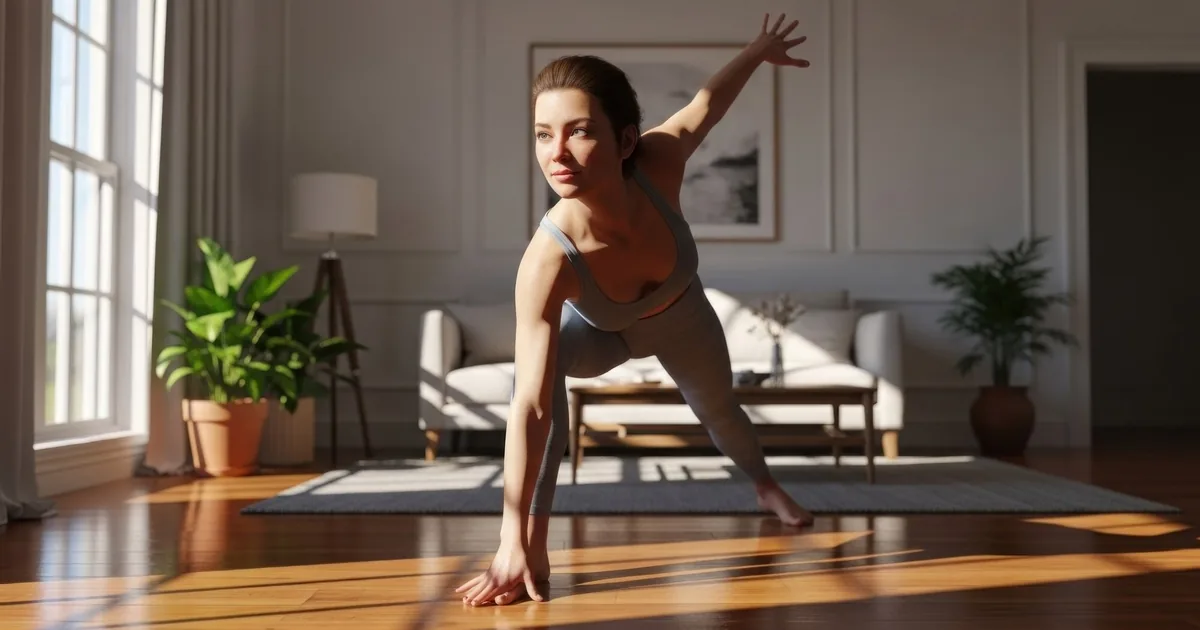
Many come to yoga through back pain or a desire to lose weight, but stay for what happens in the mind: anxiety decreases, sleep becomes deeper, and decisions are made more calmly. A beginner yogi is often surprised at how 20 minutes of practice changes the perception of the day. This is not magic, but physiology plus intention—and that is exactly what we will discuss next.
What is Yoga and Where Did It Come From: A Brief Excursion for Skeptics
Yoga originated in India over 5,000 years ago as part of a philosophical system leading to liberation. The classic text "Yoga Sutras" by Patanjali describes eight limbs, where asanas are just one of them, alongside ethics, breathing, and meditation. Modern yoga is mainly focused on physical exercises, but its roots are deeper: it is a practice of uniting individual consciousness with the universal.
In the esoteric tradition, it is believed that through asanas, a yogi cleanses the energy channels (nadis) and awakens kundalini—the dormant force at the base of the spine. Kundalini yoga works specifically with this aspect: through kriyas, mantras, and breathing, it raises energy through the chakras. Hatha yoga, which is more familiar to us, balances the solar and lunar flows, preparing the body for meditation.
Today, yoga is both fitness, therapy, and a spiritual practice. In yoga studios, you can find different styles: from dynamic vinyasa to relaxing yoga nidra. It is important to understand that yoga is not a dogma but a tool. You can practice it as purely physical exercise, or you can add breathing techniques and meditation—the depth depends on your intention.
If you want to delve into the esoteric foundations, check out other practices on the EXETERIC blog—there we explore the connection between body, energy, and consciousness in detail.
How Yoga Changes the Body: Flexibility, Posture, Health
Regular practice of yoga asanas makes the body more flexible and strong without exhausting loads. Muscles lengthen, joints receive nourishment, and the spine aligns. After just a month of practice, many notice that back pain disappears and gait becomes lighter. This happens because yoga exercises affect the deep stabilizer muscles, which are rarely engaged in everyday life.
Additionally, yoga improves the function of internal organs: twists and bends massage the stomach, liver, and intestines, stimulating digestion and toxin elimination. Breathing practices saturate the blood with oxygen, which positively affects the skin and overall tone. A woman yogi often notes that hormonal balance stabilizes and the menstrual cycle becomes less painful.
But most importantly, yoga teaches you to feel your body. You begin to notice where tension accumulates and release it in time. This is not just flexibility but conscious management of your physical state.
| Body Area | Reactive Approach (Without Yoga) | Conscious Practice (Yoga) | Result |
|---|---|---|---|
| Back | Sitting hunched, enduring pain | Regular asanas for spinal elongation | Even posture, no pain |
| Joints | Low mobility, stiffness | Dynamic and static yoga poses | Mobility, joint lubrication |
| Breathing | Superficial, tense | Pranayama, abdominal breathing | More energy, calmness |
To achieve this effect, you don't necessarily have to go to a yoga studio—home yoga, with the right approach, is equally effective. The key is regularity and attention to sensations.
How Yoga Changes Consciousness: From Stress to Awareness
Yoga is meditation in motion. When you perform asanas, the mind is forced to focus on the body, and the internal dialogue quiets down. This provides a respite from anxious thoughts and teaches you to observe them from a distance. Over time, you notice that you react to stress more calmly, and emotions no longer overwhelm you.
From an esoteric perspective, yoga clears the mind and opens intuition. Through practice, you establish a connection with the subconscious, begin to hear the inner voice, and trust it. Many decisions come naturally during savasana or yoga nidra—deep relaxation often called yogic sleep.
Yoga also teaches acceptance. You don't fight the body but listen to it. This attitude transfers to life: you stop forcing yourself, choosing more harmonious paths. The spiritual path is not about achieving an ideal but about being honest with yourself.
If you are interested in how chakras and energy are connected, read in the energy section—there we explore these subtle mechanisms.
How to Start for a Beginner: First Steps and Yoga for Beginners
A beginner yogi is often lost: where to start? First, define your goal: do you want to improve your figure, relieve stress, or deepen spiritual practices? This determines which yoga is right for you. For beginners, hatha yoga is best—it provides a foundation in asanas and breathing. Also good is yoga for beginners at home: you practice at a comfortable pace and don't feel self-conscious about your body.
Second, prepare your space. You will need a yoga mat (non-slip), comfortable clothing, and 20–30 minutes of quiet. Yoga conditions are simple: a ventilated room, no distractions. You can play calm music or practice in silence.
Third, start with simple asanas: mountain pose, cat-cow, downward-facing dog, child's pose. Spend 1–2 minutes on each, focusing on your breath. Yoga minutes of 15–20 per day are enough to start. Gradually increase the time to 40–60 minutes.
Fourth, use yoga videos for beginners. A visual example helps avoid mistakes. But remember: it's better to do less but correctly than to chase complex poses.
Fifth, be patient. The body doesn't change immediately, but after a week you will feel a surge of energy. The main thing is not to compare yourself with others. Yoga is your personal path.
What Types of Yoga Are There: Choosing a Style for Yourself
There are many styles of yoga, and it's easy for a beginner to get confused. Here are the main directions that will help you understand which yoga is closer to you.
| Style | Features | Who It's For |
|---|---|---|
| Hatha Yoga | Static asanas, focus on breathing | Beginners, for the foundation |
| Kundalini Yoga | Dynamic kriyas, mantras, energy work | Those seeking spiritual growth |
| Yoga Nidra | Deep relaxation, "yogic sleep" | For stress relief and insomnia |
| Morning Yoga | Awakening sequence | Those wanting an energy boost |
Hatha yoga is the perfect start. Kundalini yoga might seem strange due to the mantras and dynamics, but it powerfully clears the mind. Yoga nidra is not about physical exertion but about rest. Morning yoga helps you wake up better than coffee.
If you don't know where to start, try different styles via videos. The girl yoga on screen will show you how to move, and you'll quickly understand what resonates.
Yoga at Home: How to Organize Practice
Home yoga is convenient and effective if approached wisely. Here are some tips to make practice regular.
- Choose a consistent time: morning or evening. Morning yoga energizes you for the day, evening yoga calms you down.
- Create a ritual: light a candle, play music, put on comfortable clothes. This is a signal for the subconscious.
- Start with 15 minutes and gradually increase. Yoga for beginners at home doesn't require much time.
It's important not to turn practice into a routine. If you don't feel like it today, do at least 5 minutes of breathing. Yoga is not a sport but a connection with yourself. A woman yoga practicing at home often notes that she has become calmer and more confident.
For variety, you can visit a yoga studio once a week to get feedback from an instructor. But the foundation is personal practice.
Common Myths About Yoga: Debunking Misconceptions
There are many myths around yoga that hinder starting. Let's address the most popular ones.
| Myth | Why It's Not True | How It Really Is |
|---|---|---|
| Yoga is only for flexible people | Flexibility is a result, not a prerequisite | You can start with any flexibility |
| Yoga is a religion | It's a philosophical system, not a faith | You can practice without religious context |
| Yoga requires a lot of time | Even 15 minutes give an effect |
Another myth: yoga is only for women. In reality, a yoga practitioner can be of any gender, and many men have appreciated its benefits for body and mind. It's also wrong to think that yoga is just stretching. It is a comprehensive practice including breathing, meditation, and ethics.
Once the myths are cleared, it's easier to take the first step. Don't let stereotypes deprive you of a tool for self-knowledge.
Yoga and Esotericism: Connection with Energy and Chakras
In esotericism, yoga is seen as a way to work with energy. Yoga asanas affect the chakras—energy centers located along the spine. For example, cobra pose stimulates the manipura (solar plexus), responsible for willpower and confidence. Forward bends calm the vishuddha (throat), helping to express thoughts.
Kundalini yoga uses mantras and breathing to awaken kundalini—the energy dormant at the base of the spine. It is believed that its ascent leads to enlightenment. But even without seeking enlightenment, regular practice harmonizes the energy field, making you more resilient to stress.
If you want to explore this topic deeper, check out the energy section on EXETERIC. There we explain chakras and methods of working with them in detail.
Remember: the esoteric aspect of yoga does not negate its practical benefits. You can practice solely for health, and that will already be a spiritual practice because you are developing awareness.
Yoga for Beginners at Home: A 30-Day Step-by-Step Plan
To avoid giving up halfway, we offer a month-long plan. It will help you get into a rhythm and feel the changes.
Week 1: Master basic yoga asanas—mountain pose, cat, downward-facing dog, child's pose. Practice for 15 minutes daily. Watch yoga videos to check your technique.
Week 2: Add breathing exercises (pranayama). Learn to breathe with your abdomen. Practice time—20 minutes.
Week 3: Introduce simple twists and balances. You can add yoga nidra before bed for relaxation.
Week 4: Increase time to 30 minutes, include dynamic sequences. Try morning yoga to energize yourself.
After a month, you will notice that your body has become more flexible, your mind calmer, and your sleep deeper. The girl yoga from the video will no longer seem like an unattainable ideal—you will become an example yourself.
The main thing is not to chase results. Yoga loves patience. And remember: even 5 minutes of practice is better than nothing. Start today, and in a year you won't recognize yourself.

Yoga as a Path to Yourself: Calmly, Without Fear and Rush
Yoga is not a magic pill or a way to instantly solve all problems. It is a quiet but reliable tool that helps you better understand your body, emotions, and desires. Esotericism, of which yoga is a part, is not a reason to fear the "unknown" but an invitation to a conscious life. You can start small: five minutes of breathing in the morning or one asana before bed. The key is to do it with respect for yourself, without force or comparison with others.
If you want to delve deeper into energy practices, check out EXETERIC practices—there we carefully explain complex things in simple words. And for inspiration and broadening your horizons, read other practices on the EXETERIC blog—articles on magic and self-knowledge will help you see the connection between body, spirit, and everyday life. And don't forget to visit the astrology section to learn more about your zodiac sign and its influence on your practice.
Don't be afraid to start. Yoga doesn't require perfect flexibility or special conditions—only your presence and genuine interest. Try, make mistakes, return. Over time, you will notice that you have become calmer, more resilient, and kinder to yourself. May your path be gentle and conscious, and each step a small discovery.
Frequently Asked Questions
How long do I need to practice yoga to notice the first changes?
Many notice the first changes in the body and consciousness after just 1–2 weeks of regular practice. The body becomes more flexible, morning stiffness disappears, and the mind becomes a bit calmer. However, lasting results, such as improved posture, reduced anxiety, and deep sleep, usually come after 1–3 months. It's important to practice not for record-breaking lengths but regularly: even 15 minutes a day will give more than an hour once a week. The main thing is not to compare yourself with others and listen to your sensations.
Can I practice yoga at home without harming myself?
Yes, home yoga can be safe and effective if approached mindfully. Start with simple asanas and be sure to study the technique via videos or instructions—this will help avoid mistakes. Don't force things: if a pose causes pain, stop and simplify it. Ventilate the room, use a non-slip yoga mat, and wear comfortable clothing. If you have injuries or chronic conditions, it's better to consult a doctor and an experienced instructor first.
Is yoga a religion? Do I need to believe in chakras to practice?
No, yoga is not a religion but a philosophical and practical system that originated in India. You can practice it solely for physical health and psychological balance, without accepting esoteric concepts. Chakras and energy channels are part of the traditional model, but belief in them is not necessary to benefit. Many people practice yoga as fitness or a way to relieve stress. If you are interested in the spiritual aspect, you can always explore it deeper without pressure or dogma.
What if I'm not flexible at all and can't even do simple poses?
Flexibility is not a prerequisite for starting yoga but one of its results. Start with the simplest variations of asanas, using blocks, straps, or pillows for comfort. For example, in a forward bend, you can bend your knees, and in downward-facing dog, place your hands on an elevation. Over time, your body will adapt, and you will notice progress. The main thing is not to force yourself and not to chase perfect form. Yoga teaches acceptance, and that acceptance begins with your body today.