Breathing Practices of Power: 4 Techniques for Gathering Energy
If by the evening you feel like a drained phone at 3%, it is not just about sleep and coffee. Most often it is a question of contact with yourself and the ability to manage attention. This is exactly where breathing practices of power work — simple, embodied techniques that help gather scattered energy, calm the mind, and bring back a sense of inner support. Let's look at breathing practices of power what is it really: an ancient tool of self-attunement or a fashionable esoteric trend? We will talk calmly, without pathos: about breathing practices of power meaning, types, history, and four working techniques you can do at home starting today.
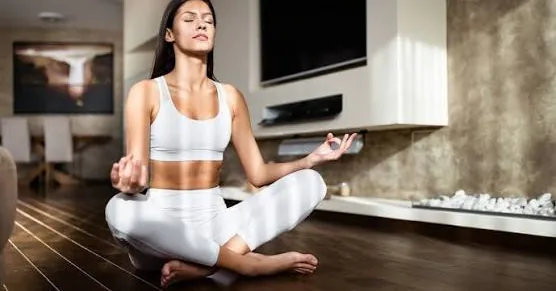
Breathing Practices of Power: What Is It and How to Understand That It Works
Let's start with the basics. Breathing practices of power are guided cycles of inhalation, retention, and exhalation with attention, intention, and a specific rhythm. In yoga this is pranayama, in Taoist schools it is breathing qigong, in modern mindfulness schools it is breathwork. The essence is the same: breath is a bridge between body and psyche. You cannot directly order yourself to "calm down" or "pull yourself together," but you can change the rhythm of breathing — and the nervous system will follow it. That is why breathing practices of power and energy are so stable across cultures: they rely on physiology, not on belief.
Breathing practices of power how to understand whether it is for you? Imagine an ordinary morning: you wake up, you are already scrolling the news, thoughts are racing, shoulders are hunched up to your ears. You do 5 minutes of slow breathing with an extended exhale — and suddenly you notice silence in your head, warmth in your palms, a desire to act. These are breathing practices of power signs of correct practice: clearer attention, a more even emotional state, a rush of warmth or light tingling, a feeling of collectedness in the center of the body. This is not magic in the sense of a miracle, it is breathing practices of power and abilities of the nervous system for self-regulation.
It is important to separate practice from expectations. Breathing practices of power how to recognize the effect for a beginner? Keep a simple journal for 7 days: before practice rate your state from 1 to 10 (energy, anxiety, clarity), then again after. Record sleep, appetite, reaction to stress. After just a week you will see a pattern. For example, one of our readers, a 34-year-old manager, did the 4-7-8 technique before calls and noticed that she stopped snapping at colleagues — these are her breathing practices of power daytime manifestations: more pause between stimulus and reaction. And for another reader the effect was breathing practices of power nighttime manifestations — deeper sleep and vivid, calm dreams, which he later looked up in the EXETERIC dream book to better understand the signals of the subconscious.
| Common myth | Why it is not true | How it really is |
|---|---|---|
| You need to breathe as intensely as possible to get more energy | Hyperventilation causes dizziness and anxiety, not strength | Strength lies in rhythm and attention, not in effort. Soft deep breathing gives more resource |
| The effect must be mystical right away | Expecting special effects creates tension | The first signs are calmness, warmth, clarity. Subtle sensations come with regularity |
| Breathing alone will clear all blocks | Without intention and bodily awareness it is just gymnastics | Add intention, relaxation of the jaw and shoulders, observation of sensations |
Breathing Practices of Power: History and Interesting Facts
Breathing practices of power history goes back not centuries, but millennia. In Patanjali's Yoga Sutras, pranayama is the fourth stage of the path, preparing the mind for meditation. Taoists considered breathing a way to cultivate qi — vital force — and practiced "embryonic breathing" — so quiet and deep, as if breathing with the belly like an infant. In the Tibetan tum-mo tradition, monks combined breathing with visualization of inner fire to keep warm in the cold. Sufis in dhikr synchronized breath with sacred phrases, and in the Slavic tradition there were its own breathing practices of wind power — going out into an open place, inhaling against the wind with the intention to release heaviness and exhaling downwind.
Breathing practices of power interesting facts that our readers love: first, an exhale longer than the inhale activates the parasympathetic system — the "rest and restore" system. Second, breathing through the left and right nostrils affects the hemispheres differently — this is what nadi-shodhana is built on. Third, modern breathwork research shows a reduction in cortisol and improved heart rate variability after just 5-10 minutes of practice. That is, ancient intuitions are confirmed by instruments.
What to do with this knowledge in practice? Treat tradition with respect, but without blind copying. You do not need to become a yogi in the Himalayas to use the principle. Try a small breathing practices of power rite of respect for tradition: before practice sit upright, place your palms on your knees, take three calm breaths and mentally thank those who preserved this knowledge. This attunes the psyche to depth and removes fuss. If the theme of cycles and rhythms is close to you, take a look at the astrology section — understanding your lunar rhythms helps you choose the best time for active and calm breathing techniques.
Breathing Practices of Power: Types and Meaning for Energy
Breathing practices of power types are conventionally divided into three families: calming, energizing, and balancing. Calming ones — with an extended exhale, they reduce anxiety and prepare for sleep. Energizing ones — active, rhythmic, with an emphasis on inhalation, they invigorate and switch on willpower. Balancing ones — with equal phases and retentions, they gather attention into the center. Breathing practices of power meaning of each group is different: the first restore safety, the second give fuel, the third give manageability.
How to choose? Focus on the task, not on the "I want something stronger" mood. In the morning before an important day — an energizing technique. In the evening after overload — a calming one. Before a decision, negotiations, intention practice — a balancing one. This is the conscious approach instead of superstition: you are not "opening chakras at random," but selecting a tool for your state.
A practical step for self-diagnosis: stand up, close your eyes, take 10 natural breaths and observe. Where does the breath live — in the collarbones, chest, or belly? If only at the top — you are in mobilization mode, start with calming practices. If breathing is sluggish, shallow — you need energizing ones. If you want stability — balancing ones. Write the observation down in your notes. These are your personal breathing practices of power signs of imbalance and resource.
| Situation | Reactive approach | Conscious practice | Result |
|---|---|---|---|
| Morning, no energy, a deadline ahead | A third cup of coffee and scrolling the news | 3 minutes of active breathing + intention for the day | Vigor without nervousness, focus on what matters |
| Conflict, boiling inside | Blurting out an answer and regretting it | Pause, 4 cycles with a long exhale | A calm response from an adult position |
| Evening, mind won't switch off | A TV series until 2 a.m. | Calming breathing lying down + body relaxation | Fast falling asleep and recovery |
4 Energy-Gathering Techniques: Step-by-Step Practice
Let's move to the main part. Below are four proven techniques. Do them sitting with a straight back, without rushing, on an empty or light stomach. All breathing practices of power tips for beginners come down to three rules: do not push to dizziness, do not practice through pain, stop and breathe normally if you feel discomfort.
1. Grounding 4-4-6 Breathing for Protection and Calm
This is the foundation to start with if you are anxious or sensitive to atmosphere. Sometimes it is searched for as breathing practices of power how to protect yourself — and rightly so: a calm nervous system is the best protection. Sit down, feet on the floor. Inhale through the nose for 4 counts, hold for 4, exhale through the mouth with a light hiss for 6. Imagine the exhale going into the earth through your feet. 6-8 cycles. You can add a short breathing practices of power prayer in your own words: "I am safe, I am in my body, I choose calm." This is not a religious canon, but a focusing of will.
2. Energizing Breath of Fire for Daytime Strength
A technique from Kundalini yoga for gaining energy in the morning. Short active exhales through the nose powered by pulsing the belly, the inhale comes by itself. Rhythm — about 1 exhale per second, 30 seconds of practice — 30 seconds of rest with deep breathing. 3 rounds. It works well before sports, public speaking, problem-solving. This is a vivid example of breathing practices of power and energy in action: you literally warm up the body and attention. If you feel dizzy — stop, this is normal for a start.
3. Balancing 4-7-8 Breathing and Nadi-Shodhana
Two classics in one combination. First 4 cycles of 4-7-8: inhale for 4, hold for 7, exhale for 8. Then nadi-shodhana: close the right nostril, inhale with the left, close both — pause, exhale through the right. Inhale through the right, pause, exhale through the left — this is one round. Do 5-7 rounds. The mind calms down, inner dialogue quiets. Excellent preparation for meditation, working with intention, or exploring symbols from the Human Design guide, where a calm mind helps you hear your authority rather than the noise of others' expectations.
4. Wind Breathing: Cleansing and Releasing
And these are the very breathing practices of wind power that people ask about most often. Stand facing the wind or an open window. A deep inhale through the nose — imagine gathering everything heavy from the day into your chest. A sharp but soft exhale through the mouth downwind with a "ha" sound — release it. 7-9 cycles. At the end — a quiet inhale and a pause with your palm on your heart. This technique can be framed as a breathing practices of power cleansing ritual: after the exhales wash your face with cool water, air out the room. To enhance the effect at home, breathing is often combined with cleaning and salt — read more about a comprehensive approach to space in other practices in the EXETERIC blog, where we explore how breathing practices of power home protection is connected with order and intention.
Breathing Practices of Power: Tips for Beginners and Safety
Breathing practices of power tips for beginners are not restrictions, but care. Start with 5 minutes a day at the same time, preferably in the morning or evening. Do not combine active techniques with driving, bathing, alcohol. For pregnant women, people with hypertension, asthma, panic attacks — only gentle techniques and after consulting a doctor. This is mature esotericism: respect for the body is more important than ambition.
Another frequent question — breathing practices of power what to do upon encountering strong dizziness, emotions, tears? The answer is simple: return to normal breathing, open your eyes, name 5 objects around you, drink water. Strong emotions during breathwork are a release of tension, not a sign of a curse. There is no need to be frightened and look for breathing practices of power how to protect yourself from "entities." Most often grounding is enough: walk barefoot, hug yourself, eat something warm.
And about subtle points. If you are impressionable, do not practice active techniques at night — leave breathing practices of power nighttime manifestations for soft breathing lying down. During the day, use energizing techniques in moderation. Keep a tracker: time, technique, duration, well-being before and after. In a month you will have a personal map that will tell you more about yourself than any calculator. By the way, if you like a systematic self-knowledge approach through date of birth, try the Matrix of Fate calculator — it complements bodily observations well with an understanding of your arcana and tasks.
15-Minute Home Breathing Cleansing Ritual
The last block is applied. This breathing practices of power cleansing ritual is suitable when the home feels "heavy": after a quarrel, guests, illness, moving. You will need an open window, a candle if you wish, and 15 minutes of silence. This is not a complex breathing practices of power rite with memorized texts, but a living sequence of attention and breathing.
Step 1 — attunement (3 minutes). Stand in the center of the room, feet shoulder-width apart. Three cycles of grounding 4-4-6 breathing. Voice your intention: "I air out the space and return clarity to it." Step 2 — walkthrough (7 minutes). Slowly walk around the perimeter of the apartment clockwise. In each room, inhale through the nose, and on the exhale imagine stagnant air shifting toward the window. At the window — pause, deep exhale outward. Step 3 — filling (5 minutes). Return to the center, close the windows, light a candle. Breathe evenly and softly, imagining warm light in your chest expanding to the whole apartment. Finish with palms on your heart and gratitude. Airing, light, order — this is real breathing practices of power home protection without fear and fuss.
Do this ritual once a week or as needed, combining it with regular cleaning. The rule "one breath — one action" works well: inhale — gather things in the corner, exhale — take them out. The body remembers the rhythm, and home begins to be associated with lightness. If after practice you crave silence, lie down for 5 minutes with closed eyes and observe your breath without controlling it — this consolidates the effect and teaches self-trust.

Strength Is Calm Attention to Yourself Every Day
If you have read this far, you have already done the main thing — treated yourself attentively, without rush and mysticism of fear. Breathing practices of power do not promise instant enlightenment, they give something more valuable: they restore contact with the body, teach you to notice where you lose energy, and gently gather it back. Five minutes in the morning, a pause before a difficult conversation, a quiet evening exhale — these small steps build resilience that cannot be bought or downloaded.
Treat esotericism as a tool of self-knowledge, not as a panacea or a reason to worry. Breathing does not solve life's tasks for you, but helps you meet them in a clear and collected state. This is exactly the approach we carefully cultivate in EXETERIC practices — calm, respectful, without intimidation and without promises of miracles. The body is wise, the psyche is flexible, and attention trains like a muscle.
Do not be afraid of the unclear — understand it calmly. Choose one technique out of the four, try it for a week consciously and with respect for your limits, keep short notes about your state. And when you want to go deeper, look into other practices in the EXETERIC blog and the astrology section to find a rhythm for your character and cycle. May your breath become a quiet support you can always return to.
Frequently Asked Questions
How many minutes a day should a beginner breathe to benefit?
For a beginner, 5 minutes once or twice a day at the same time is enough, for example in the morning and evening after airing the room. Sit with a straight back, choose one simple technique with an extended exhale and breathe softly, without effort and without holding to discomfort. The effect is usually noticeable after 7-10 days of regularity: calmer sleep, less fuss in thoughts, easier to focus before tasks. Increase the time gradually, up to 10-15 minutes, only if the practice is pleasant and does not cause dizziness. The main rule — regularity is more important than duration and intensity.
Which energy-gathering technique invigorates best in the morning?
For morning vigor, energizing rhythmic techniques with an emphasis on inhalation are best, for example breath of fire with short active exhales through the nose powered by the belly. Do 30 seconds of practice, then 30 seconds of calm deep breathing, 3 rounds in total sitting with a straight back. Such stimulation warms up the body, clarifies attention, and gives an impulse of will without coffee jitters. If you feel dizzy, ringing in the ears, or nausea, stop immediately and return to normal breathing. Do not do active techniques on a full stomach, in heat, with hypertension, or before sleep.
What to do if I feel dizzy or emotional during breathing?
Slight dizziness, tingling, yawning, warmth, or tears are a common reaction of the nervous system to a change of rhythm and release of tension, usually it is not dangerous. Stop the technique immediately, open your eyes, breathe naturally, name aloud 5 objects around you, drink warm water and sit for a while. Do not intensify the practice through discomfort, do not hold to the limit, and do not practice standing, while driving, or in the bath. If you have asthma, hypertension, pregnancy, panic attacks, or heart conditions, use only gentle techniques and consult a doctor. If strong reactions repeat, reduce the duration to 2-3 minutes.
Can breathing practices be done every day?
Yes, gentle balancing and calming techniques with an extended exhale can be done daily, they fit well into morning and evening rituals. Active energizing practices are better done in courses 5-6 days a week in the morning or daytime, leaving one day of rest and not using them late in the evening. Monitor your well-being with a simple journal: energy, anxiety, and clarity from 1 to 10 before and after practice. If irritability, insomnia, or fatigue increase, reduce the load and return to calm breathing. Daily practice works when you adjust the intensity to your state rather than pushing through force.