Tarot forecast for the month: step-by-step guide for self-practice
Tarot forecast for the month: what it is and why you need it
A tarot forecast for the month is not just a card spread, but a way to tune into the rhythm of upcoming events. Many perceive it as a prediction of fate, but in reality it is a tool for self-observation and planning. Working with cards, we connect to our own intuition and subconscious, which often know the answers to questions not yet formulated by the conscious mind. In this sense, a tarot forecast for the month becomes a kind of meditation, where each card is a mirror of our inner states and outer circumstances.
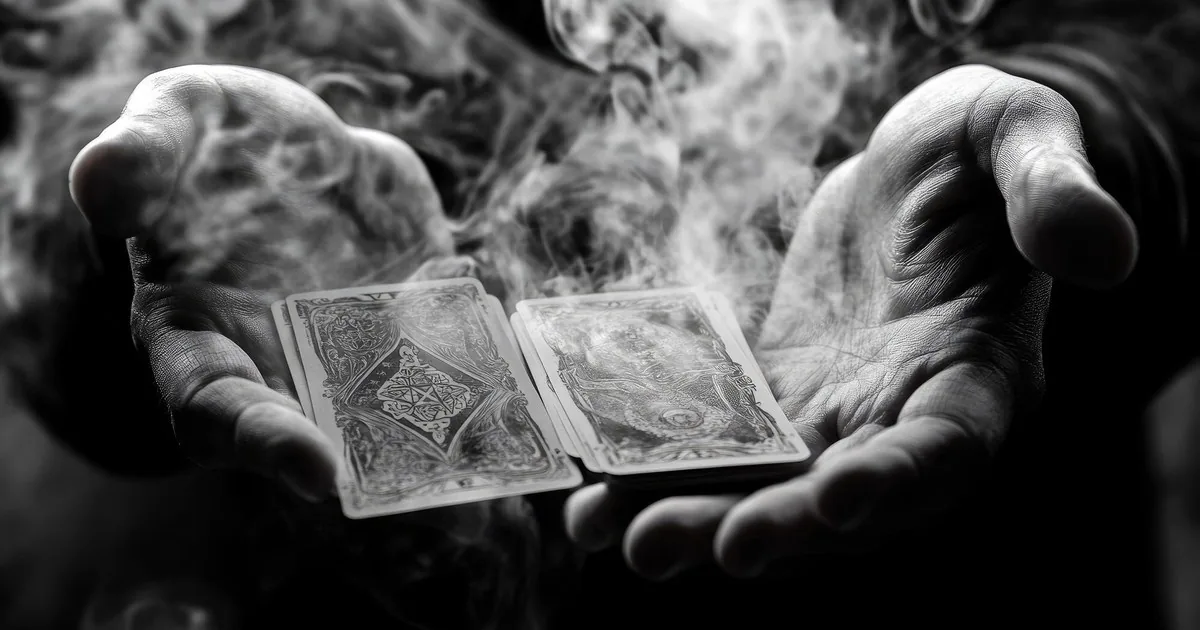
Why even create such a forecast? In the hustle of everyday life, we rarely stop to reflect on where we are heading and what awaits us. Tarot helps us pause and ask the right questions: what to focus on, what risks to consider, where to expect support. Unlike horoscopes, which speak of general trends, a tarot forecast for the month gives a personal snapshot of your situation. It is like a map of the terrain that shows not only the road but also possible obstacles and hidden paths.
It is important to understand: tarot is not fatalistic. Cards are not a verdict but a hint. If you see an unfavorable arcana, it does not mean disaster is inevitable. Rather, it is a warning that in a certain area you need to be more attentive or act differently. A conscious approach to the forecast turns it from superstition into a practical tool for improving life. That is why in this article we will explore how to create a tarot forecast for the month yourself, without consulting specialists, but with respect for tradition and common sense.
How to prepare for the spread: mindset and questions
Before pulling the first card, it is important to prepare the space and your own state. Tarot requires focus and respect. Start by removing distractions: turn off your phone, create a quiet environment. Some prefer to light candles or use incense sticks — this helps tune into the right wavelength. However, it is important not to turn the ritual into an end in itself, because the main thing is your inner attitude.
Define the question that the tarot forecast for the month should answer. It can be general: "What energies will dominate my life in the coming month?" Or more specific: "How will my relationship with my partner develop?", "What should I focus on in my career?". The more precise the question, the more specific the answer. But do not ask several questions at once — this disperses energy. Better to do one spread, and if you need more information, conduct several sessions.
Think about how you relate to the cards. If you are a beginner, you may feel awe or skepticism. This is normal. Tarot is not magic in a primitive sense, but a symbolic system that activates your intuition. Try to let go of expectations and simply allow the cards to speak to you. Write down your questions in a notebook — this will help structure your thoughts and, after the spread, compare the answers with reality.
When you are ready, shuffle the deck. Do this calmly, thinking about your question. You can ask the cards to give honest advice. Then pull the cards. It is important to do this intuitively: without overthinking, choose the cards that catch your eye or feel "right". This process is a dialogue with the subconscious, so trust your first impulse.
Spread layouts for the monthly forecast
There are many spread layouts, but for a tarot forecast for the month, those that cover different areas of life are most suitable. The classic option is three cards: past-present-future. It is simple and gives a general idea of the month's dynamics. However, for a more detailed forecast, you can use a 12-card spread — one for each aspect: career, finances, love, health, spirituality, etc. But for beginners, it is better to start small.
The "Celtic Cross" spread is one of the most informative but also complex. It shows not only events but also hidden influences, hopes, and fears. If you feel confident, try it. However, for a monthly forecast, a simplified version is often used: 4 cards — situation, action, result, advice. This spread helps you understand what to do in the coming month.
Another popular layout is "Seven Spheres of Life": cards are laid out in a circle, each corresponding to a specific area: relationships, work, money, health, family, self-development, spirituality. This spread gives a holistic picture of the month and allows you to see where to focus your efforts. Choose a layout that resonates with you, but do not overload yourself. Start simple, gradually making the practice more complex.
It is important to remember: a tarot forecast for the month is not a one-time act but a regular practice. The best time to do the spread is at the end of the current month or on the first day of the new one. This will help you enter the month consciously, with a clear understanding of your tasks. Record your results: over time, you will be able to assess how accurate your forecasts were, and this will improve your understanding of the symbols.
Interpreting the cards: core meanings and nuances
Interpreting the cards is the heart of the tarot forecast. Each card has many meanings that depend on the context, neighboring cards, and your question. However, there are basic meanings to start with. The Major Arcana describe important life lessons and turning points. For example, the Fool — a new beginning, the Empress — abundance and creativity, the Tower — destruction of the old. The Minor Arcana reflect everyday events and emotions: Wands — action and passion, Cups — feelings and relationships, Swords — thoughts and conflicts, Pentacles — the material sphere.
When interpreting, pay attention to reversed cards. In the classical tradition, a reversed position usually indicates blocked energy, delay, or inner conflict. For example, the reversed Empress may speak of a creative crisis or issues with self-esteem. However, some modern tarot readers do not use reversed meanings, believing that a card always speaks in one sense. Choose the approach that suits you best, but be consistent.
Do not forget about card combinations. Two cards can reinforce each other or point to a contradiction. For example, the Lovers card next to the Ten of Swords may mean a painful choice or a breakup. Practice reading combinations, and over time you will see the whole picture. Start simple: pay attention to the suit and numerical value, then move on to the Major Arcana.
For a tarot forecast for the month, it is useful to create a table where you record the card, its traditional meaning, and your intuitive interpretation in the context of the month. This will help structure your thoughts and see patterns.
| Card | Traditional meaning | Manifestation in life | What to do |
|---|---|---|---|
| Chariot | Victory, control, movement | Successful completion of a project, self-confidence | Take initiative, but do not forget about balance |
| Five of Pentacles | Hardship, material loss | Lack of money, feeling of isolation | Seek help, review your budget |
| Ace of Cups | New feelings, beginning of love | Romantic encounter, surge of inspiration | Open yourself to new emotions, do not fear vulnerability |
How to apply the tarot forecast for the month in life
A forecast is not just information but a guide to action. After you have created a tarot forecast for the month, it is important to reflect on it and decide how to use the knowledge gained. For example, if the Three of Cups appears in the spread, it may indicate a period of friendly gatherings and joy. Use this time to strengthen social connections. If the Ten of Swords appears, be prepared for the completion of a difficult stage — perhaps it is worth accepting the end and starting something new.
Do not perceive the forecast as a rigid script. You are the creator of your life, and tarot merely highlights probable trends. If you see an unfavorable sign, think about how you can change the situation. For example, if the card points to conflict, you can plan your behavior strategy in advance to avoid it or mitigate the consequences. Thus, the forecast becomes a tool for prevention, not a source of anxiety.
It is also important to track how the forecast comes true. At the end of the month, return to your notes and compare them with real events. This will help you better understand the language of the cards and improve the accuracy of your interpretations. Remember that tarot is not fortune-telling in a primitive sense, but a way to tune into your intuition. The more you practice, the finer the connection becomes.
Use the forecast for goal setting. If the cards indicate energy of growth, plan important undertakings for this month. If the emphasis is on completion, dedicate time to letting go of the excess and preparing for the new. Tarot helps you live in the flow of life cycles, not resisting them but using their power.
Beginner mistakes and how to avoid them
Many novice practitioners make the same mistakes that can distort a tarot forecast for the month. The first mistake is asking too general questions. For example, "What awaits me?" is a vague request that is hard to answer specifically. Instead, ask: "What should I pay attention to in my career next month?" or "How can I improve my relationship with my partner?".
The second mistake is ignoring the context. The meaning of a card can change depending on the question and neighboring cards. For example, Death does not always mean physical death; more often it is transformation and the completion of one stage. Therefore, interpret cards in connection with your life situation, not as isolated symbols.
The third mistake is taking things too literally. If you pulled the Devil, it does not mean you will commit a crime. Rather, it points to temptation, addiction, or inner limitations. Use the symbolism of the cards for reflection on your tendencies, not for frightening conclusions.
To avoid mistakes, keep a practice journal. Record your spreads, interpretations, and real events. This will help you track which interpretations were accurate and which were not. It is also useful to study classic books on tarot, but remember that the main authority is your own intuition. Over time, you will develop your own style of reading cards.
Tarot and psychology: how cards help you understand yourself
A tarot forecast for the month is not only a prediction but also a tool for self-discovery. The cards reflect your inner states and attitudes that often go unnoticed. For example, if Swords cards constantly appear in your spread, it may indicate excessive rationality or inner conflict. Pay attention to recurring arcana — they point to important themes that require your attention.
From a psychological perspective, tarot works as a projective technique, similar to the Rorschach test. You imbue the cards with meaning born from your subconscious. Therefore, interpreting cards is a dialogue with yourself. When you see a card, ask yourself: "What does this say about me? How does this relate to my life?" This will help you become aware of hidden motives and desires.
Tarot can also become a tool for developing emotional intelligence. By studying the cards, you learn to recognize and name feelings, understand their causes. For example, the Ten of Cups may evoke a sense of happiness and harmony, and you can reflect on what in your life brings these feelings and what is missing for fullness.
Use the tarot forecast for the month as an occasion for reflection. At the end of each month, ask yourself: "What did I learn about myself? What patterns do I notice? What do I want to change?" This turns fortune-telling into a practice of personal growth, far from superstition.
Advice: how to integrate the forecast into daily life
So that a tarot forecast for the month is not a one-time event but becomes part of your life, integrate it into regular rituals. For example, choose one day a week to pull a single card of the day and reflect on its meaning. This will help you develop intuition and maintain a connection with the cards.
You can also use tarot for planning specific tasks. If you know that the monthly forecast includes a card indicating creative uplift, schedule important creative projects for that time. If the card speaks of the need for rest, plan time for recovery in advance. Thus, the forecast becomes your personal planner that takes into account energetic cycles.
Do not forget that tarot is a tool, not a substitute for common sense. Do not let the cards control your life. Use them as a source of inspiration and advice, but make decisions yourself. Combine intuition with rational analysis, and you will get the best results.
Finally, practice gratitude. After you have created the forecast, thank the cards for their wisdom. This creates positive feedback and deepens your connection with the tool. Remember that tarot is a journey, not a destination. Enjoy the process, and your forecasts will become more accurate and meaningful.

Tarot is not fate, but a path to yourself
When we work with cards, we are not trying to glimpse an inevitable future, but learning to hear our inner voice. A tarot forecast for the month is not a way to offload responsibility for your life, but on the contrary, an opportunity to take it into your own hands. The cards illuminate what we often fail to notice amid the bustle of everyday life: our true desires, hidden fears, unused resources. This is a conversation with yourself in the language of symbols, which becomes clearer with each practice.
It is important to remember: tarot does not dictate, it advises. If you see an unfavorable card, do not fall into despair. Perceive it as a warning that allows you to adjust your actions. For example, if the Five of Swords appears, perhaps it is worth avoiding conflicts and not wasting energy on pointless arguments. If the card promises success, use that impulse for bold undertakings. Such a conscious approach turns tarot from a mystical ritual into a practical tool for improving the quality of life.
Many are afraid to look into the future, fearing they will hear something frightening. But tarot is not prophecy, but a mirror reflecting your current state. Working with cards, you learn to see your strengths and weaknesses, which helps you make more balanced decisions. This is especially valuable in the modern world, where we often act on autopilot without thinking about consequences. The practice of tarot returns mindfulness to us, allowing us to live more fully and harmoniously.
If you want to delve deeper into this topic, pay attention to EXETERIC practices. Our media project is created for those who seek not ready-made answers, but tools for independent exploration. In articles and guides, we talk about various esoteric systems, helping you understand their symbolism and application in everyday life. Here you will find deck reviews, meditation techniques, and advice on working with energies.
I also recommend exploring other practices on the EXETERIC blog. There you will find materials on runes, astrology, numerology, and other directions that can become your faithful companions on the path of self-development. Each article is written in simple language and equipped with practical recommendations, so you can immediately apply the knowledge gained.
And if you want to look into your zodiac sign and learn how the stars influence your life, check out the astrology section. There you will find personal horoscopes, character descriptions, and daily advice. Perhaps astrology will become another key to understanding yourself.
Do not fear the unknown. Esotericism is not a dark forest, but a garden full of wisdom. Approach it with respect and an open heart, and it will respond with calm and clarity. Try creating your first tarot forecast for the month today, and you will be surprised at how accurate your own intuitive insights can be. Remember: the cards only point the way, but it is you who must walk it.
Frequently asked questions
Can a beginner do a tarot forecast for the month?
Yes, a beginner can certainly create a tarot forecast for the month if they follow the basic rules. The main thing is to choose a simple spread layout, for example, three cards for the past, present, and future. Before starting practice, it is important to study the meanings of the major arcana and learn to feel the cards. Do not be afraid to make mistakes: experience comes with practice. Start by recording your interpretations and compare them with real events at the end of the month. This will help you quickly understand the language of the cards and improve the accuracy of your forecasts.
How often can you do a tarot forecast for the month?
A tarot forecast for the month is recommended once a month, preferably on the first day of the new month or at the end of the previous one. Doing it more often is not advisable, as you may get confused in interpretations and lose connection with the cards. Regularity — once a month — allows you to track the dynamics of events and see how forecasts come true. If you feel the need for more frequent guidance, it is better to additionally use a card of the day, but not do a full monthly spread more often. Remember that tarot is a tool for conscious planning, not for daily fortune-telling.
Do you need to cleanse the cards before a monthly spread?
Cleansing the cards before a monthly spread is a good practice that helps shed old energy and tune into a new theme. There are several ways to cleanse: you can wave the cards over a candle flame, place them under moonlight overnight, or smudge them with herbs such as sage. However, if you have a new deck, it is enough to simply shuffle it while thinking about the coming month. The main thing is your attitude and respect for the tool. If you feel that the cards are "tired" or have accumulated negative energy, cleansing will be useful. But do not turn it into a ritual for ritual's sake — your intuition matters most.
What to do if a frightening card appears in the tarot forecast for the month?
If a frightening card appears in the tarot forecast for the month, such as the Tower or the Ten of Swords, do not panic and do not perceive it as a verdict. Cards do not predict inevitable catastrophes, but point to possible trends and inner states. Perceive such a card as a warning that gives you the opportunity to prepare or change the situation. For example, the Tower may mean sudden changes, but you can soften them if you are flexible and ready for change. Think about which areas of life the card touches and what you can do to avoid negative consequences. Remember that you are the creator of your destiny, and tarot merely illuminates probable paths.