Yoga: benefits, techniques and tips for beginners
What Is Yoga: What It Really Is and Why It Works
Yoga is an ancient system of self-knowledge that combines physical exercises, breathing practices, and meditation. Unlike simple physical training, yoga is a holistic approach that affects not only muscles but also energy, emotions, and thoughts. Many people come to yoga for stretching or weight loss, but they stay because they find inner balance. From an esoteric perspective, yoga helps harmonize the flows of energy in the body, cleansing the channels and restoring the connection with oneself. It is not a religion or magic, but a tool that works on several levels.
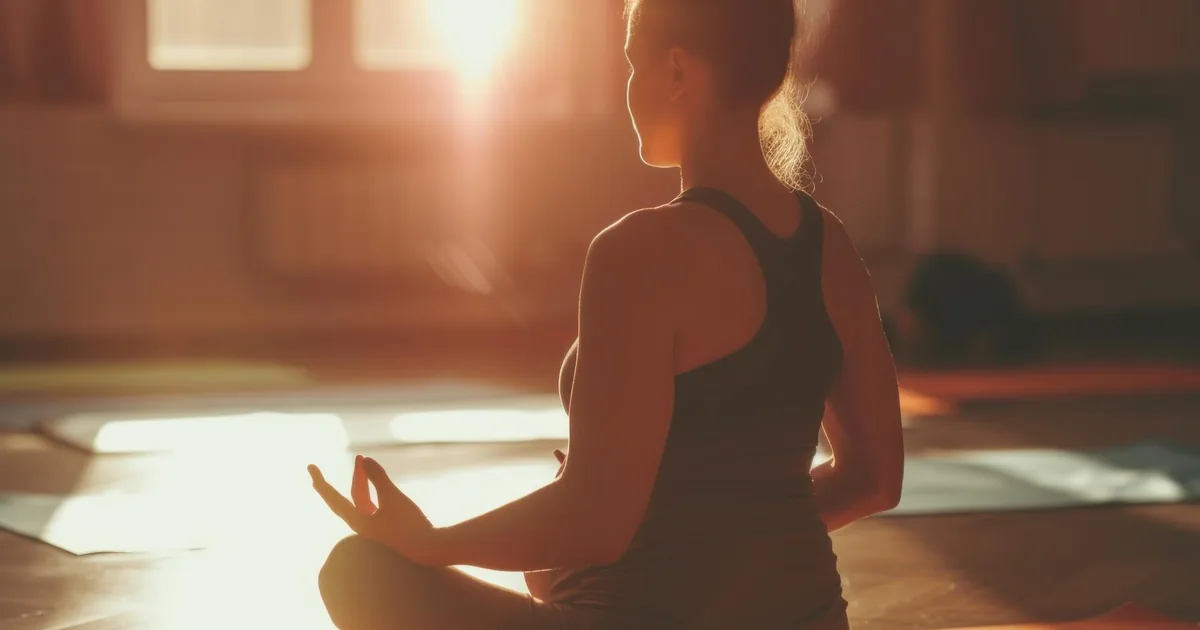
Why is yoga for health so effective? Research confirms: regular practice reduces cortisol levels (the stress hormone), improves flexibility and blood circulation, and normalizes blood pressure. But beyond physiology, yoga activates the parasympathetic nervous system, which is responsible for rest and recovery. That is why after a session you feel not fatigue but a surge of energy and mental clarity. Yoga exercises are not just physical exertion but a dialogue with the body that teaches you to hear its signals.
It is important to understand: yoga does not require flexibility or special abilities from you. It begins where you are. Even simple yoga stretching, performed mindfully, can change how you feel within a few weeks. The main thing is regularity and attention to your sensations. If you are a beginner, start with basic asanas and simple breathing techniques — and gradually deepen your practice.
Yoga for Beginners: Where to Start and How Not to Quit
For those just getting acquainted with yoga, the main advice is not to chase complex poses. Yoga for beginners is the foundation on which the entire practice is built. Start with simple asanas that are safe and accessible: cat-cow, child's pose, downward-facing dog, warrior pose. These poses gently stretch the muscles, strengthen the joints, and teach proper breathing. Do not strive for perfect execution right away — listen to your body and do not allow sharp pain.
Organize a space for your practice. Yoga at home is convenient and economical but requires discipline. Set aside a place where no one will disturb you, lay out a mat, and air out the room. You can turn on calm music or use an aroma lamp with lavender — this will help you get into the right mindset. Practice at the same time, preferably in the morning or evening, and gradually the practice will become a habit. To avoid quitting, start with 15-20 minutes a day — that is enough to begin.
The mistake of many beginners is expecting instant results. Yoga requires patience. Do not compare yourself to others, especially those who have practiced for years. Your path is unique. After a month of regular practice, you will notice that you have become calmer, more flexible, and more energetic. If you want to deepen your understanding of your energy processes, pay attention to other practices on the EXETERIC blog — there you will find materials on meditation and working with energy.
Basic Yoga Poses: Technique and Effect
Yoga poses (asanas) are not just physical exercises but tools for managing energy. Each pose has its own meaning and impact. Let us look at several basic asanas that are suitable for beginners and provide a powerful effect.
| Pose | Technique | Effect | Contraindications |
|---|---|---|---|
| Tadasana (Mountain Pose) | Stand straight, feet together, arms along the body. Distribute weight evenly, reach upward with the crown of the head. | Improves posture, teaches balance, calms the mind. | None |
| Adho Mukha Svanasana (Downward-Facing Dog) | Get on all fours, lift the pelvis up, straighten the back and legs, forming an inverted V. | Stretches the back of the thighs, strengthens arms and shoulders, improves blood circulation. | High blood pressure, glaucoma |
| Balasana (Child's Pose) | Sit on your heels, bend forward, forehead on the floor, arms extended forward. | Relaxes the back, relieves stress, calms the nervous system. | Knee problems |
When mastering yoga poses, remember your breathing: it should be even and calm. Do not hold your breath unless the instructor says otherwise. If a pose causes discomfort, come out of it or use a modification. For example, in downward-facing dog you can bend your knees to reduce the load on the lower back. Practice regularly, and you will feel the body becoming stronger and more flexible.
Yoga Breathing: Pranayama for Energy and Calm
Breathing is the bridge between the body and the mind. In yoga, breathing techniques are called pranayama, which means "control of life force." Yoga breathing is not just inhalation and exhalation but a way to influence your state. When we are nervous, breathing becomes shallow and rapid; when calm — deep and slow. Pranayama allows you to consciously regulate this process.
One of the simplest and most effective techniques is full yogic breathing. Sit comfortably, straighten your back. Take a slow inhale through the nose, filling first the belly, then the chest, and finally the collarbones. Exhale in reverse order: lower the collarbones, the chest, draw in the belly. Breathe this way for 5-10 minutes. This exercise saturates the blood with oxygen, calms the mind, and helps relieve stress. Practice it in the morning or before bed.
Another technique is nadi shodhana (alternate nostril breathing). Sit comfortably, close the right nostril with the right thumb, inhale through the left. Then close the left nostril with the ring finger, exhale through the right. Inhale through the right, exhale through the left. This balances the brain hemispheres, harmonizes energy, and improves concentration. If you feel tired or irritable, this practice will help restore balance.
Remember that breathing techniques are a powerful tool. Do not perform them on a full stomach or during an exacerbation of chronic illnesses. Start with short sessions of 3-5 minutes and gradually increase the time. For a deeper understanding of energy practices, you can refer to the human design guide — it will help you understand how your type influences the choice of practices.
Yoga Exercises for Health: A Daily Routine
Yoga exercises are not only stretching but also strengthening the entire body. Regular practice helps maintain spinal health, improves the functioning of internal organs, and strengthens the immune system. Here is a simple routine that you can do at home every day.
- Warm-up: head, shoulder, and wrist rotations — 2-3 minutes.
- Sun salutation (Surya Namaskar) — 5-10 rounds. This is a dynamic sequence that warms up the body and charges it with energy.
- Warrior pose 1 and 2 — 30 seconds on each side. Strengthens the legs, opens the chest.
- Triangle pose (Trikonasana) — 30 seconds on each side. Improves flexibility of the lateral muscles, stimulates digestion.
- Bridge pose (Setu Bandhasana) — 1 minute. Strengthens the glutes and lower back, opens the chest.
- Spinal twist pose (Ardha Matsyendrasana) — 30 seconds on each side. Massages internal organs, improves spinal mobility.
This routine takes about 20-30 minutes and is suitable for any level of preparation. Perform it at a calm pace, synchronizing movements with breath. Yoga for health is not a competition but self-care. If you feel pain, come out of the pose and rest. After a few weeks, you will notice that your back has stopped hurting, lightness has appeared in the body, and sleep has become deeper.
For those who want to understand how yoga relates to other esoteric practices, we recommend exploring the astrology section — perhaps you will find clues about which practices suit you best.
Yoga Stretching: How to Improve Flexibility Without Injury
Flexibility is not a goal but a means. Yoga stretching helps relieve muscle tension, improve joint mobility, and prevent injuries. Many believe that stretching requires enduring pain, but this is a mistake. In yoga, the principle of "non-violence" (ahimsa) applies: you work with the body gently, gradually increasing the range of motion.
To improve flexibility, include poses such as forward fold (Uttanasana), butterfly pose (Baddha Konasana), and pigeon pose (Eka Pada Rajakapotasana) in your practice. Hold each pose for 30-60 seconds, breathing evenly. Do not bounce; instead, smoothly deepen the stretch on the exhale. If you feel sharp pain — you have overdone it, come out of the pose.
Regularity matters more than intensity. It is better to practice 15 minutes every day than an hour once a week. Over time, you will notice that muscles become more elastic and the body more obedient. Yoga stretching also improves blood circulation and lymph flow, which promotes toxin elimination. If you want to diversify your practice, pay attention to dream interpretation — perhaps your dreams will hint at which areas of the body need attention.
Yoga at Home: How to Create a Personal Space for Practice
Yoga at home is convenient but requires self-discipline. For the practice to be effective, it is important to create the right atmosphere. Choose a place where no one will disturb you. It could be a corner in the bedroom or living room. Lay out a mat, place a blanket and a meditation cushion nearby. Prepare everything in advance so you are not distracted during the session.
Set a regular time. It is best to practice in the morning to charge yourself with energy for the whole day, or in the evening to release tension. Start with 15-20 minutes, gradually increasing to 45-60 minutes. Use online lessons or apps, but do not forget to listen to yourself. If you feel tired, choose a softer practice, such as yoga nidra or breathing exercises.
It is also important to get into the right mindset for practice. Turn off your phone, air out the room, and you can light a candle or incense. Take a few deep breaths to calm the mind. Remember that yoga is not only physical exercises but also time for yourself. If you practice regularly, you will notice that not only your physical but also your emotional state improves. For deeper self-knowledge, you can explore the destiny matrix calculator — perhaps it will help you understand your strengths and areas of growth.
Yoga and Meditation: How to Enhance the Effect of Practice
Meditation is a natural continuation of yoga. If asanas prepare the body, meditation calms the mind. Yoga and meditation are inextricably linked: without mindfulness, physical exercises turn into ordinary gymnastics. Include 5-10 minutes of meditation at the end of your session. Sit comfortably, close your eyes, focus on your breath. Observe your thoughts without getting involved in them. This will help relieve stress, improve concentration, and develop intuition.
One of the simple techniques is candle meditation (trataka). Place a lit candle at arm's length, look at the flame without blinking for 1-2 minutes. Then close your eyes and imagine the flame in the area of the third eye. This exercise improves vision, calms the mind, and develops the ability to concentrate. Practice it in the evening to release tension after a workday.
Meditation also helps you become aware of the connection between the body and emotions. For example, if you feel anxiety, observe where it is felt in the body: in the chest, in the belly, in the throat. Simply breathe into that area, and the tension will gradually dissolve. This is a mindfulness practice that makes yoga truly holistic. If you want to go deeper into the topic, read articles on magic and self-knowledge — you will find much that is useful there.
Common Mistakes in Yoga and How to Avoid Them
Many beginners make mistakes that can lead to injuries or disappointment. Let us look at the most common ones.
| Mistake | Why It Is a Problem | How to Fix It |
|---|---|---|
| Too intense practice | Overloading muscles and joints, risk of injury | Start with gentle styles of yoga (hatha, yoga nidra), increase the load gradually |
| Comparing yourself to others | Causes feelings of inadequacy, reduces motivation | Focus on your own sensations, do not look at others |
| Irregularity | No progress, the body does not adapt | Practice at least 15 minutes a day, preferably at the same time |
| Ignoring pain | Can lead to serious injuries | Distinguish between muscle tension and sharp pain. With sharp pain — come out of the pose |
It is also important not to practice on a full stomach — wait 2-3 hours after eating. And do not forget about the warm-up: even if you are in a hurry, spend 5 minutes warming up the muscles. Yoga is not a race but a path. Treat yourself with respect, and the practice will bring benefits.
Yoga and Energy: How Asanas Affect the Chakras
From an esoteric perspective, yoga poses affect not only the physical body but also the energy centers — the chakras. Each asana stimulates specific chakras, harmonizing the flows of energy. For example, backbends (cobra, bridge) activate the heart chakra (anahata), which is responsible for love and compassion. Inverted poses (downward-facing dog, headstand) stimulate the throat chakra (vishuddha) and improve communication.
If you feel stagnation in some area of life, you can choose asanas that will help. For example, with problems of self-expression, poses that open the chest and neck are useful: fish, camel, plow. With self-doubt — poses that strengthen the root chakra (muladhara): warrior, chair, tree. Practice these poses with intention, visualizing energy flowing freely.
It is important to remember that chakras are not physical organs but a metaphor for understanding energy. You should not be fanatical about this, but mindful practice that takes energy aspects into account can deepen your experience. If you want to learn more about your energy, refer to the bodygraph analysis — it will help you understand which practices suit you best.
Yoga for Beginners: 10 Tips for a Successful Practice
Anyone can start practicing yoga, regardless of age and physical fitness. Here are a few tips to help you take your first steps confidently.
- Choose a style of yoga that suits you. For beginners, hatha yoga, vinyasa, or yin yoga are best.
- Practice regularly, even if it is 10 minutes a day. Consistency matters more than duration.
- Listen to your body. Do not compare yourself to others and do not force things.
- Use props: a mat, blocks, straps. They will help you perform poses safely.
- Drink water before and after the session, but not during.
- Do not practice on a full stomach.
- Practice in a ventilated room, in comfortable clothing.
- End the session with relaxation (savasana) for 5-10 minutes.
- Keep a practice journal, noting your sensations.
- Do not be afraid to ask questions to the instructor or seek information from trusted sources.
These tips will help you avoid typical mistakes and enjoy the practice. Remember that yoga is a lifelong journey, and every step matters.
Yoga as a Path to Yourself: From Practice to Mindfulness
When we talk about yoga, we often imagine complex poses or meditation in the mountains. But in reality, yoga is a much deeper tool that helps us return to our true selves. In the hustle of everyday life, we lose connection with the body, emotions, and inner voice. Yoga gives us the opportunity to stop, listen, and restore that connection. It is not just physical exercises but a way to live more mindfully, to notice our habits, reactions, and desires.
The esoteric view of yoga does not require believing in anything supernatural. It is about subtle energies that we can learn to feel and direct. By practicing asanas and pranayama, we harmonize the flows of energy in the body, which is reflected in our emotional state and even in the events of our lives. But it is important to remember: yoga is not a panacea or a way to escape reality. It is a tool for self-knowledge that helps us become more whole and resilient.
If you want to deepen your understanding of the esoteric aspects of yoga, I recommend turning to EXETERIC practices. There you will find materials that will help you connect physical practice with energy work and self-knowledge. Also, do not forget that yoga is just one of many paths. Explore, try, find what resonates with you.
Do not be afraid of the unknown. Esotericism is not scary or mysterious; it is simply a way to look at the world more broadly. Start small: set aside 15 minutes a day for practice, observe your sensations. Perhaps you will discover new facets of yourself. And if you want to go deeper, check out the astrology section — perhaps the stars will tell you which practices suit you best.
Remember that the path to yourself is a lifelong journey. There is no need to rush or set rigid goals. Just take the next step with respect for yourself and the world. And may yoga become your faithful companion on this path.
Frequently Asked Questions
Can yoga help with chronic back pain?
Yes, yoga can be effective for chronic back pain, but it is important to approach the practice with caution. Gentle asanas such as child's pose, cat-cow, and twists help strengthen the back muscles, improve flexibility, and relieve tension. However, before starting classes, be sure to consult a doctor to rule out serious pathologies. Start with simple poses, avoid sudden movements, and listen to your sensations. Regular practice combined with proper breathing can significantly alleviate the condition and improve quality of life.
How many times a week should I practice yoga to see results?
For noticeable results, it is recommended to practice yoga at least 2-3 times a week. However, even 15-20 minutes of daily practice can bring benefits. The key factor is regularity. If you practice once a month, the effect will be minimal. It is better to practice a little but systematically. After 2-3 weeks, you will feel improved flexibility, reduced stress, and increased energy. The main thing is not to overload yourself and choose a practice that brings pleasure.
What is pranayama and how does it affect the body?
Pranayama is a set of breathing techniques in yoga aimed at controlling life energy (prana). They include various ways of breathing: deep, alternate nostril, and breath retention. Pranayama affects the nervous system, helping to reduce stress, improve concentration, and balance emotions. For example, alternate nostril breathing harmonizes the brain hemispheres, while deep abdominal breathing activates the parasympathetic system, promoting relaxation. Regular pranayama practice improves lung function, saturates the blood with oxygen, and increases overall tone. You should start with simple techniques, gradually increasing the time.
Can you lose weight with yoga?
Yes, yoga can help with weight loss, but it is not the fastest way. Dynamic styles such as vinyasa or ashtanga burn calories and strengthen muscles, which contributes to weight loss. In addition, yoga normalizes hormonal balance and reduces cortisol levels, which decreases stress-related overeating. However, for significant weight loss, it is important to combine practice with proper nutrition and overall physical activity. Yoga also helps you become more mindful of your body and food, which in the long term leads to a healthy weight.