Chakra stones: how to choose and use
What are chakra stones and why do you need them
Chakra stones are not just beautiful minerals, but an ancient tool for working with the body's energy centers. In esoteric tradition, it is believed that a person has seven main chakras — from the root to the crown — and each one is responsible for certain aspects of life: from survival and safety to intuition and connection with the higher. When energy in a chakra becomes blocked or disrupted, we feel imbalance: fatigue, anxiety, problems in relationships or creativity. Crystals for chakras help restore harmony by influencing the body's subtle vibrations.
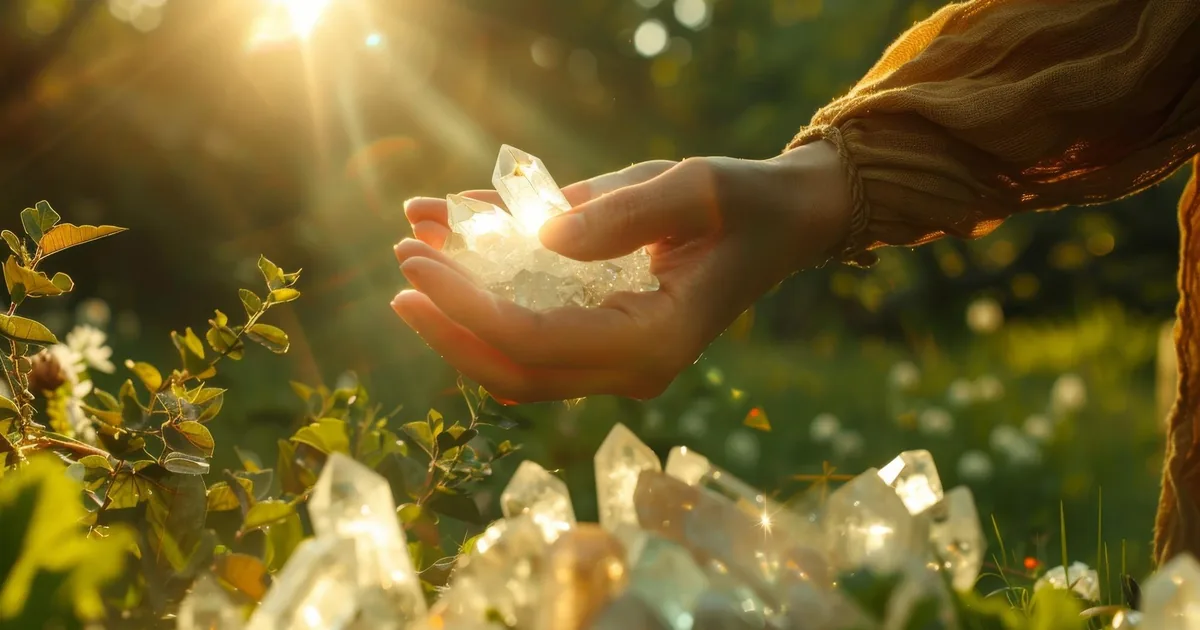
But let's skip the mystical pathos. From a psychological perspective, stones work as an anchor for intention. When you choose a stone and tune into its energy, you focus on a specific task — for example, confidence or love. This is a conscious practice that helps shift your attention and trigger inner changes. So chakra stones are not a magic pill, but a tool for self-discovery, like meditation or journaling.
In this article, we will break down how to choose stones by chakra, what correspondences exist, and how to use them in everyday life. You will learn that it's important not just to buy a beautiful mineral, but to understand which stone for which chakra suits you specifically, and how to work with it properly.
Seven chakras and their stones: basic correspondence
Before diving into practice, let's break down the basic correspondence: stones and chakras. Each chakra has its own color and vibration, so crystals of the corresponding shade are traditionally selected. However, it's important to remember: this is not a strict rule, but a guideline. Sometimes a stone of a different color can work even better if it resonates with your personal energy.
| Chakra | Color | Stone | Sphere of influence |
|---|---|---|---|
| Muladhara (root) | Red | Garnet, red jasper, hematite | Survival, safety, physical energy |
| Svadhisthana (sacral) | Orange | Carnelian, amber, orange calcite | Creativity, sexuality, emotions |
| Manipura (solar plexus) | Yellow | Citrine, tiger's eye, yellow aventurine | Confidence, willpower, self-esteem |
| Anahata (heart) | Green/pink | Rose quartz, amazonite, malachite | Love, compassion, relationships |
| Vishuddha (throat) | Blue | Aquamarine, lapis lazuli, sodalite | Communication, self-expression, truth |
| Ajna (third eye) | Indigo | Amethyst, labradorite, falcon's eye | Intuition, clairvoyance, wisdom |
| Sahasrara (crown) | Purple/white | Clear quartz, selenite, amethyst | Spirituality, connection with the higher |
This basic correspondence is a starting point. But don't blindly follow the table. For example, rose quartz is traditionally associated with the heart chakra, but it also helps with inner child work and self-acceptance. And amethyst, although considered a third eye stone, works great for the crown chakra if you're seeking spiritual peace.
When you choose stones by chakra, pay attention to your feelings: sometimes a stone "itself" attracts you, even if it doesn't match the needed chakra by color. This could be a sign that its energy is exactly what you need right now. Trust your intuition, but don't forget common sense: if you want to work on communication but you're drawn to red garnet, maybe it's worth first understanding why you're pulled toward the root chakra.
How to choose a stone for a chakra: practical tips
Choosing a stone is not just a trip to the store. It's important to approach it consciously. Here are a few steps to help you find "your" stone.
The first step — determine which chakra needs attention. Ask yourself: where do you feel tension? In finances (root), in relationships (heart), in self-expression (throat)? You can also turn to astrology: for example, if you have a weak Mars, maybe it's worth strengthening the root chakra. But don't overcomplicate it: often it's enough to listen to your body and emotions.
The second step — choose a stone that resonates with you. It can be a stone from the table above or any other that catches your attention. Hold it in your hand, close your eyes, and feel: warmth, tingling, calm? If the stone evokes pleasant sensations, it suits you.
The third step — check the stone for authenticity. Unfortunately, there's a lot of synthetic and dyed minerals on the market. A real stone is usually cool to the touch and has natural inclusions. If in doubt, turn to trusted sellers or a gemologist.
And remember: chakra stones are not just about color. Structure, shape, and even origin matter. For example, malachite is considered a powerful protector, but it's fragile and requires careful handling. And clear quartz is a universal energy amplifier that can be used with any other stones.
How to use crystals for chakras: main methods
There are many ways to use crystals for chakras. Here are the main ones you can practice at home.
The first method — meditation with a stone. Lie down or sit comfortably, place the stone on the area of the chakra you want to work on. Close your eyes, breathe deeply, and imagine the stone's energy penetrating your body, cleansing and filling the chakra. You can visualize the chakra's color, amplified by the stone's color. Practice for 10-15 minutes daily.
The second method — wearing the stone. You can wear the stone as jewelry (pendant, bracelet) or simply in your pocket. It's important that the stone touches your skin or is close to your body. For example, a pendant at the throat chakra level will help with communication, and a bracelet on the wrist — for overall balance.
The third method — placing stones in your space. Arrange chakra stones in the room where you spend a lot of time. For example, on your desk — citrine for productivity, in the bedroom — rose quartz for love. The stones will create a harmonious atmosphere.
The fourth method — elixirs. Some stones can be used to make elixirs: place the stone in water overnight, and in the morning drink that water. But be careful: not all stones are safe for water (for example, malachite is toxic). Better to use quartz or amethyst.
The fifth method — cleansing and charging stones. Stones accumulate negative energy, so they need regular cleansing. Rinse them under running water, place them in salt overnight, or in sunlight (but not all stones tolerate the sun). After cleansing, charge the stone with intention: hold it in your hands and mentally formulate what you want to receive.
Stones and chakras correspondence: myths and reality
There are many myths surrounding chakra stones. Let's break down the most common ones.
| Myth | Why it's not true | How it actually is |
|---|---|---|
| The more expensive the stone, the more effective it is | Price doesn't determine energy | Even an inexpensive quartz can work great if you're tuned in |
| Stones must be chosen strictly by chakra color | Color is just one aspect | Personal resonance and stone quality matter |
| Stones can fully heal diseases | They are not a medical tool | They support energetic balance but don't replace a doctor |
Another myth is that stones must be worn all the time, otherwise the energy will leave. In reality, regular practice is enough, not constant wearing. Many also think stones need to be "activated" with complex rituals. In reality, simple intention and belief are enough.
Remember: stones and chakras correspondence is not a rigid system, but a flexible tool. Don't be afraid to experiment and find your own ways of working.
Which stone for which chakra: detailed breakdown
Let's go deeper into the details and look at which stone for which chakra works best, and how to work with it.
Root chakra (Muladhara)
The root chakra is responsible for feelings of safety and stability. If you feel anxiety, uncertainty about tomorrow, red jasper or hematite will help you. These stones ground you and give a sense of support. Practice: place the stone at the base of your spine during meditation, imagine roots growing from it into the earth.
Sacral chakra (Svadhisthana)
The sacral chakra is connected to creativity and pleasure. Carnelian is an excellent choice if you want to awaken inspiration or improve relationships. Wear it in your pocket or use it in creative practices: for example, place it near your workspace when drawing or writing.
Solar plexus (Manipura)
This chakra is responsible for confidence and willpower. Citrine is a sunny stone that fills you with energy and optimism. If you have an important presentation or conversation coming up, hold citrine in your hand for a few minutes, visualizing yourself speaking confidently.
Heart chakra (Anahata)
Rose quartz is a classic for the heart chakra. It helps open up to love and heal old wounds. Wear it as a pendant or place it under your pillow to attract love in your sleep. Amazonite is also useful for balancing emotions.
Throat chakra (Vishuddha)
Aquamarine is the stone of bold speech. It helps express thoughts clearly and calmly. If you're afraid of public speaking, wear aquamarine on your neck. Lapis lazuli — for those who want to speak the truth but tactfully.
Third eye (Ajna)
Amethyst is a powerful stone for intuition. It helps you see deeper and develop clairvoyance. Meditate with amethyst on your forehead to enhance inner vision. Labradorite — for those who want to uncover hidden talents.
Crown chakra (Sahasrara)
Clear quartz is a universal stone for connecting with the higher. It amplifies the energy of other stones and helps in spiritual practices. Selenite — for deep meditation and space cleansing. Place selenite on your altar or at the head of your bed.
Chakra stones in everyday life: practical examples
Chakra stones can be integrated into an ordinary day. Here are a few examples of how to do it consciously.
Morning: start your day with a short meditation with a stone for the chakra you want to strengthen. For example, if you have an important meeting, take citrine for confidence. Place the stone on your solar plexus and take 10 deep breaths.
Work: place stones for productivity and calm on your desk. For example, tiger's eye for concentration and clear quartz for clarity. Periodically look at them, reminding yourself of your intention.
Relationships: carry rose quartz in your pocket when going on a date or wanting to improve relationships with loved ones. It will remind you of love and compassion.
Evening: before bed, place amethyst under your pillow to improve sleep and intuitive dreams. If you want to remember your dreams, keep a notebook and pen nearby.
It's important to remember: stones are not amulets that work on their own. They work in conjunction with your intention and actions. So when using stones, don't forget to take real steps toward change.
Cleansing and charging chakra stones
Regular cleansing of stones is a mandatory part of the practice. Stones absorb energy, and if you don't cleanse them, they can become "dull" and stop working. There are several methods of cleansing.
Water: rinse the stone under running water (if it's not water-soluble). Imagine the water washing away negativity. Do this once a week or after intense practices.
Salt: place the stone in a container with sea salt overnight. Salt draws out negativity. But not all stones tolerate salt (for example, hematite can oxidize). Check beforehand.
Earth: bury the stone in the ground for 24 hours. This returns it to the natural elements. A great method for deep cleansing.
Smoke: smudge the stone with incense smoke (sandalwood, sage). This cleanses and charges it.
After cleansing, charge the stone with intention: hold it in your hands, formulate what you want to receive from it. You can say an affirmation, for example: "I fill this stone with the energy of confidence."
Don't forget to also cleanse stones you wear constantly — they accumulate energy faster. And don't give your stones to other people, so they don't "pick up" someone else's energy.
How to enhance the effect of chakra stones
Chakra stones work better when you combine them with other practices. For example, with meditation, affirmations, or journaling. Here are a few ways to enhance the effect.
Meditation with stones: choose a stone for the chakra that needs attention. Sit in silence, place the stone on the corresponding area. Breathe deeply, visualize the stone's energy cleansing the chakra. You can repeat an affirmation connected to that chakra.
Creating an energy grid: arrange chakra stones in a specific order in a room to create a harmonious space. For example, in a circle or in a line from root to crown. This helps maintain balance in the home.
Use in rituals: stones can be included in intention rituals. For example, when making a wish, hold the stone in your hands and clearly formulate your goal. The stone becomes a physical anchor for your intention.
Combining with astrology: if you know your zodiac sign, you can choose stones that correspond to your ruling planet. For example, Leos suit tiger's eye (Sun), and Cancers — moonstone. This strengthens the connection with your energy.
Remember that stones are a tool, not a goal. They help you focus, but the changes happen within you. So use them consciously, and they will become faithful helpers on your path.
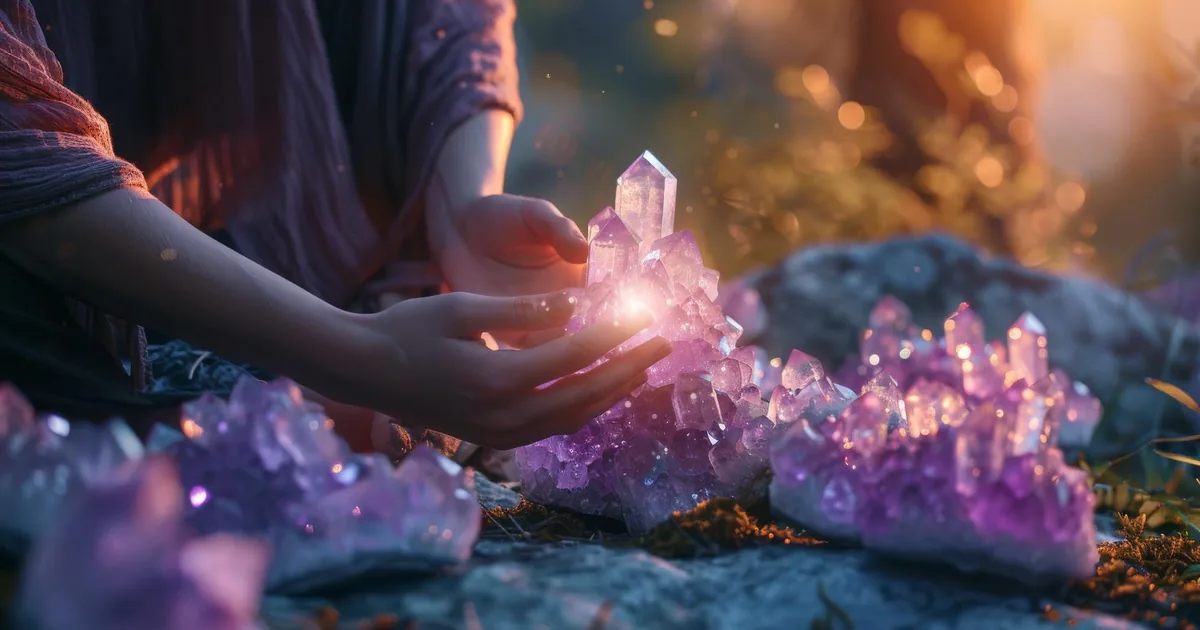
Stones as helpers, not a magic wand
When we talk about chakra stones, it's important to remember: they are not magical artifacts that solve all problems at the snap of a finger. They are rather tools that help us tune into the right wavelength, focus our intention, and remember that we ourselves are the creators of our reality. Working with crystals is a practice of mindfulness, a way to slow down, listen to yourself and your sensations. It doesn't require special rituals or complex techniques — just a sincere desire to understand yourself and a little attention to detail.
In a world where we are constantly surrounded by noise and bustle, chakra stones can become a quiet harbor, a reminder that within us there are resources for harmony and balance. They won't replace self-work, but they can become faithful companions on this path. Don't be afraid to experiment, try different stones and ways of interacting with them. Trust your intuition: if a stone responds to you, it means you need it. If not — maybe it's worth looking for another one.
Remember that esotericism is not an escape from reality, but a way to better understand yourself and the world around you. It's a tool for self-discovery that helps you live more consciously and fully. In EXETERIC practices, we strive for exactly this approach — without fear and prejudice, with respect for ancient knowledge and a modern view of life. If you want to go deeper into the topic, check out our EXETERIC blog — there you'll find many articles about stones, chakras, and other esoteric practices.
And if you're curious about how stones can combine with your personal horoscope, pay attention to the astrology section — perhaps your zodiac sign will hint at which minerals will be especially in tune with your energy. And don't forget: the main thing is your inner state and intention. The stone merely helps you tune into it.
Try starting small: choose one stone you like and carry it with you for a few days. Observe what changes happen in your mood, thoughts, and interactions with people. You might be surprised at how subtle and gentle this practice works. And may stones become for you not just pretty trinkets, but true helpers on the path to harmony and self-discovery.
Frequently asked questions
How do I know which stone suits my chakra?
Start with the basic correspondence: red stones (garnet, red jasper) — for the root chakra, orange (carnelian, amber) — for the sacral, yellow (citrine, tiger's eye) — for the solar plexus, green and pink (rose quartz, malachite) — for the heart, blue (aquamarine, lapis lazuli) — for the throat, indigo (amethyst, labradorite) — for the third eye, purple and white (clear quartz, selenite) — for the crown. But this is just a guideline. Listen to yourself: which color or stone catches your eye? Hold it in your hand, feel warmth or tingling. If the stone evokes pleasant sensations, it suits you. You can also orient by the problem area: if you lack confidence, choose yellow stones; if love — pink.
Can I wear several stones for different chakras at once?
Yes, you can. But it's important to do it consciously. If you wear several stones, they can interact, amplifying or complementing each other. For example, clear quartz amplifies the energy of other stones, so it's often added to combinations. However, don't put on all seven stones at once — this can create an energetic overload. Better to choose 2-3 stones that match your current tasks. For example, to strengthen confidence and improve communication, you can wear citrine (solar plexus) and aquamarine (throat chakra). Listen to your sensations: if you feel discomfort, reduce the number of stones.
How often should I cleanse chakra stones?
Stones are recommended to be cleansed once a week or after intense practices, especially if you used them for meditation or working with negativity. A simple method — rinse the stone under running water for a minute, imagining the water washing away accumulated energy. You can also place the stone overnight in a container with sea salt (if the stone isn't afraid of salt) or bury it in the ground for 24 hours. Smudging with incense smoke (sage, sandalwood) also cleanses well. After cleansing, charge the stone with intention: hold it in your hands and mentally formulate what you want to receive from it. Regular cleansing helps the stone maintain its effectiveness.
Can chakra stones cause harm?
Chakra stones are considered safe if used wisely. They are not medical tools and don't replace treatment by a doctor. However, there are a few points: not all stones can be placed in water (for example, malachite is toxic), not all tolerate salt (hematite can oxidize). Also, don't use stones as a substitute for professional help with serious psychological or physical problems. If you feel strong discomfort when working with a stone, better to stop the practice and listen to yourself. Overall, stones are a gentle tool that helps tune into positive changes but causes no harm with a reasonable approach.