Meditation for beginners: where to start and how not to quit
Why meditation for beginners seems difficult
When we first think about meditation, images of monks sitting in lotus position on a mountain top often come to mind, or gurus with perfectly straight backs who spend hours in deep trance. We imagine that it requires special conditions, a special mindset, and, of course, time, which is always in short supply. Because of this, many people put off getting acquainted with the practice for later, thinking that "this is not for me." In reality, meditation is not an esoteric ritual available only to the chosen few, but a natural skill that anyone can master. It is like training a muscle: difficult at first, but with regular practice it becomes easier.
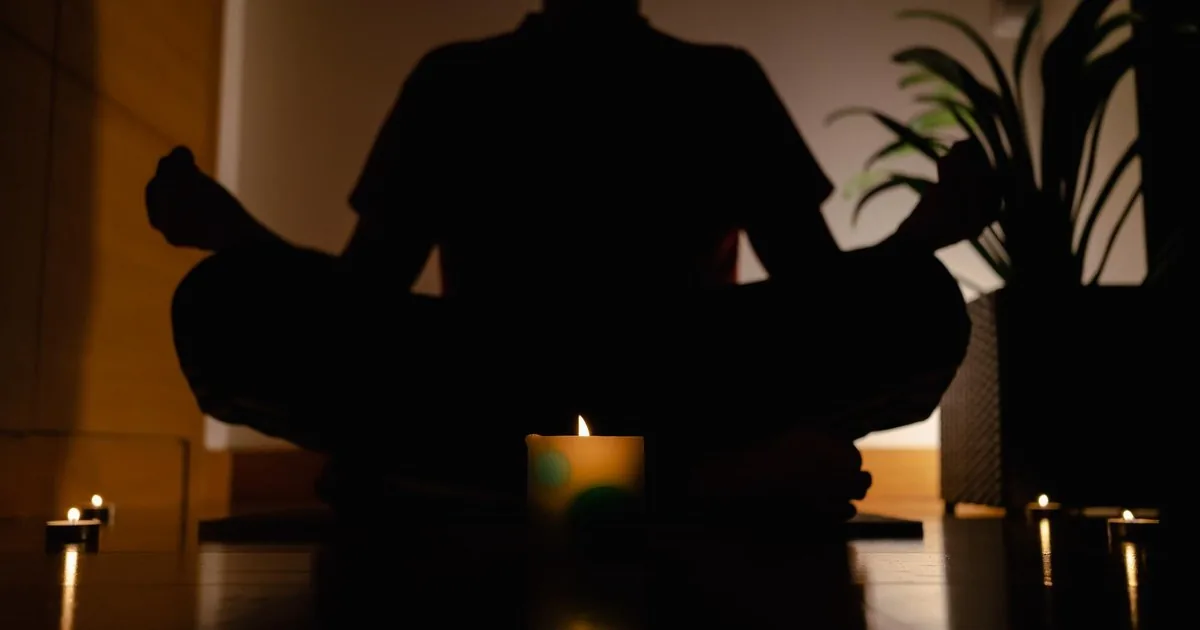
The secret is to start small and not demand instant results from yourself. Meditation for beginners does not mean sitting in silence for 20 minutes and completely clearing the mind of thoughts — this is a common misconception. Even five minutes of mindful breathing already counts as meditation. What matters is not the amount of time, but the quality of attention you bring to the practice. Agree, it is hard to expect that after a couple of sessions you will become enlightened. But you can feel calmness, clarity, and lightness after just the first week.
One of the main reasons beginners give up meditation is unrealistic expectations. They think they should "switch off" their thoughts, and when this does not work, they become disappointed. But meditation is not about fighting thoughts; it is about observing them. Imagine sitting on a riverbank and watching clouds drift by. You do not try to stop or change them; you simply notice them and let them be. The same goes for thoughts: you do not cling to them, but gently return your attention to the breath or another object. This is a skill that gets trained, and each time it becomes easier to maintain focus.
What meditation is from the perspective of esoterics and psychology
Meditation is a bridge between the outer world and the inner world. In the esoteric tradition, it is considered a tool for connecting with the higher Self, for developing intuition and awareness. It is believed that through meditation we can hear the voice of the soul, receive answers to important questions, and restore energetic balance. From a psychological perspective, meditation is a practice of training attention and emotional regulation. Numerous studies show that regular meditation reduces stress and anxiety levels, improves concentration, and even helps combat depression.
In the context of esoterics, meditation is not just relaxation, but an active process of interacting with subtle energies. During practice, we tune into the vibrations of calmness and harmony, which allows us to cleanse the aura of negative accumulations. Many practitioners note that after meditation they feel a surge of energy, mental clarity, and inner stability. This happens because we learn to step out of the "autopilot" state and return to the present moment, where there is no room for fuss and worry.
The psychological aspect of meditation is no less important. When we meditate, we activate the parasympathetic nervous system, which is responsible for rest and recovery. This lowers cortisol levels — the stress hormone — and promotes the production of serotonin and dopamine, the "happiness hormones." Thus, meditation is not an escape from reality, but a way to become more resilient to life's difficulties. You learn to observe your reactions rather than respond to them impulsively. This quality is especially valuable in the modern world, where we are constantly under pressure from information and obligations.
Simple techniques for the first step
If you are a beginner, start with simple techniques that do not require special preparation. Here are a few options you can practice at home, in the office, or even in transit.
Breath meditation
This is the basic technique that most practitioners start with. Sit comfortably, close your eyes, and focus on your breath. Do not try to control it — simply notice how the air flows in and out. If thoughts lead you astray, gently return your attention to the breath. Start with 5 minutes a day, gradually increasing the time to 10-15 minutes.
Body scan
This technique helps develop awareness and relax the body. Lie down or sit comfortably, close your eyes, and mentally walk through your entire body from the crown of your head to your toes. Notice any sensations: warmth, tingling, tension. Do not try to change anything; simply observe. This is an excellent way to release muscle tension and calm the mind.
Mantra meditation
A mantra is a sound or phrase repeated aloud or silently for concentration. For example, you can repeat "Om" or "I am calm." A mantra helps distract the mind from thoughts and enter a state of deep peace. Choose a mantra that resonates with you and repeat it for 10 minutes, maintaining a steady breathing rhythm.
Common beginner mistakes and how to avoid them
At first, meditation may feel uncomfortable: we do not know how to sit properly, where to put our hands, or how to breathe. Because of this, we often make mistakes that hinder the practice. Here are the most common ones and ways to overcome them.
| Mistake | Why it happens | How to fix it |
|---|---|---|
| Sitting too long in an uncomfortable position | The desire to immediately achieve the perfect lotus position | Start with a comfortable seated position on a chair or cushion; the main thing is a straight back |
| Expecting quick results | Not understanding that meditation is a skill | Focus on the process, not the result; celebrate small successes |
| Fighting thoughts | The belief that thoughts are a hindrance | Allow thoughts to come and go; do not cling to them |
| Irregular practice | Lack of discipline | Choose a time and place, practice every day, even for 5 minutes |
One of the most frequent mistakes is "on-the-go" meditation, when you try to combine practice with other activities. For example, meditating while washing dishes or on the way to work. Although this is better than nothing, a full practice requires complete attention. Set aside a separate time and place where no one will disturb you. Turn off your phone, warn your loved ones. Create a ritual: light a candle, play calm music — this will help you get into the right mindset.
How to integrate meditation into daily life
Many people think that meditation requires solitude and silence, but in reality it can be integrated into any day. The secret is to turn meditation into a habit as natural as brushing your teeth. Start small: decide that you will meditate every morning right after waking up. Even 5 minutes of mindful breathing will set the tone for the whole day. Or practice in the evening before bed to release tension and prepare the mind for rest.
If you have absolutely no time, use "micro-meditations": 1-2 minutes of deep breathing before an important meeting, in line, or in traffic. This will help maintain calmness and clarity. The main thing is not to skip practice. As soon as you feel the first positive changes — calmness, clarity, improved mood — you will want to continue.
Meditation in motion
Meditation does not necessarily imply stillness. Practices such as yoga, qigong, or simply mindful walking are also meditative. You can meditate while strolling in the park: pay attention to each step, to the sensations in your legs, to the wind, to the sounds. This helps you connect with the present moment and relieve stress.
Meditation and energetic protection
From an esoteric point of view, meditation is not only a way to calm the mind, but also a powerful tool for strengthening energetic protection. When you meditate regularly, you cleanse your energy field of negative influences that accumulate throughout the day. This is especially important for people who interact with others a lot, work in crowded places, or are sensitive to other people's energy.
During meditation, you create a "protective cocoon" of calmness and harmony around yourself. Visualize golden light surrounding you, reflecting everything negative. This not only protects you, but also helps you radiate positive vibrations, attracting favorable events into your life.
One practice of energetic protection is root grounding meditation. Imagine a root growing from your tailbone that goes deep into the earth. Feel how the earth's energy rises through this root, filling your body. This will help you feel stable and confident in any situation.
The "10 minutes of morning silence" practice
One of the most effective ways to start meditating is the "10 minutes of morning silence" practice. It is ideal for beginners because it does not require special conditions and takes very little time. Here is how to do it:
- Wake up 10 minutes earlier than usual. Do not grab your phone, do not get up immediately. Stay in bed or sit on a chair.
- Adopt a comfortable posture. Sit with a straight back, place your hands on your knees, and close your eyes.
- Take three deep breaths in and out. Feel how your body relaxes.
- Switch to natural breathing. Simply observe it without controlling it.
- When thoughts begin to distract you, gently return your attention to the breath. Do not scold yourself — this is normal.
- After 10 minutes, open your eyes and stretch. Feel how your body has filled with calmness and energy.
This practice will set a positive tone for the entire day and help you cope with stress more mindfully. Over time, you will notice that you have become calmer and more focused, and your intuition has sharpened.
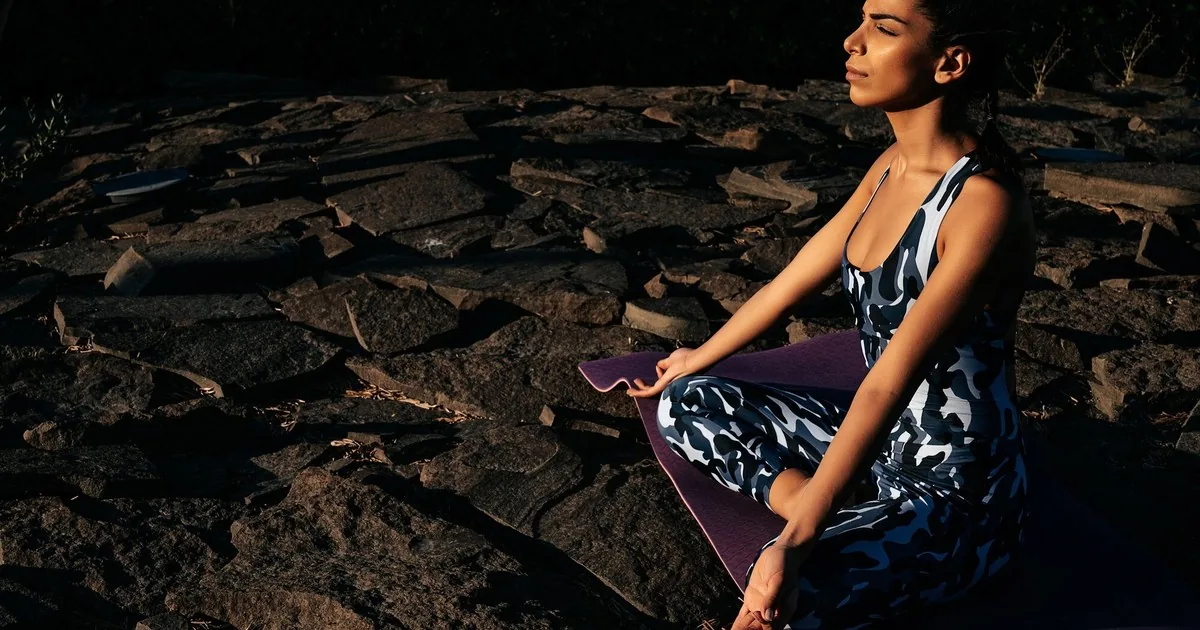
Meditation — your key to a mindful life
When you begin to practice meditation, you take the first step toward yourself — your true Self, which is hidden behind the hustle of thoughts and daily worries. This is not just a relaxation technique, but a deep tool of self-discovery available to everyone. In esoterics, meditation is often called the "gateway to the soul": through it, you learn to hear your inner voice, discern your true desires, and find answers to questions that have long troubled you. And most importantly, you begin to live not on autopilot, but mindfully, filling every moment with presence and meaning.
Many people are afraid of esoterics, considering it something complicated or even dangerous. But in reality, it is simply knowledge about the subtle laws of the world and how we interact with them. Meditation is a safe and natural practice that helps you tune into harmony with yourself and the surrounding space. There is no need to wait for miracles or fear the unknown — just try it, with respect and curiosity. The EXETERIC practices, which combine ancient traditions with a modern understanding of psychology and energy, will help you with this.
Start small: with those ten minutes of morning silence we talked about, or with simple observation of your breath throughout the day. Gradually, you will notice how your state changes: calmness, clarity, and confidence appear. You will become less reactive, learn to choose your responses rather than act impulsively. This is the path of a mindful life that opens up through meditation.
If you want to delve deeper into the topic, check out other practices in the EXETERIC blog — there you will find much useful information on how to work with energy, develop intuition, and understand your place in the world. And if you are curious about how the stars influence your predisposition to meditation and spiritual practices, check your zodiac sign in our astrology section — you may discover unexpected hints from the Universe.
Remember: meditation is not an escape from reality, but a way to become its full-fledged creator. Do not be afraid of silence — your power is hidden within it. Start today, and within a week you will feel the first changes. And when you gain more experience, you will be able to go deeper — to new levels of awareness and harmony. May your path be light and joyful.
Frequently asked questions
How long should a beginner meditate to see results?
Even five minutes a day is a good start. The main thing is regularity. Practicing daily for 5-10 minutes, you will notice the first changes within two weeks: anxiety levels will decrease, sleep will improve, and you will feel calmer in stressful situations. Increasing the time to 15-20 minutes will enhance the effect, but do not chase duration — the quality of attention matters more. If you missed a day, do not blame yourself — simply return to practice the next day. Gradually, meditation will become a natural part of your life, and you will feel your inner stability and mental clarity grow.
What to do if thoughts constantly distract during meditation?
This is absolutely normal, especially at the initial stage. Thoughts are the natural activity of the mind, and your task is not to fight them, but to gently return attention to the object of concentration, such as the breath. Imagine sitting on a riverbank and watching clouds drift by — you do not try to stop them, you simply notice and let them go. Every time you realize you have been distracted and return your focus, you are training your attentiveness. With practice, such returns become fewer, and the gaps between thoughts become longer. Do not scold yourself for distractions; instead, praise yourself for noticing them. This is the essence of meditation — awareness.
Can I meditate lying down, or do I have to sit?
Technically, you can meditate in any position, but a seated position with a straight back is considered optimal for maintaining alertness and concentration. When you lie down, there is a risk of falling asleep, especially if you are tired. However, if sitting is physically difficult for you, you can meditate lying down, but try to maintain awareness and not drift into sleep. To do this, you can slightly open your eyes or direct attention to the breath in the area of the nostrils. Sitting on a chair with back support also works — the main thing is that your back is straight. Choose what is comfortable for you, and remember that posture is merely a tool for practice, not an end in itself.
How does meditation help in daily life?
Regular meditation teaches you to be in the present moment, which directly improves the quality of life. You become less reactive: instead of instantly responding to stimuli, you pause and choose a mindful response. This helps in communication with people, at work, and in relationships. Meditation also reduces stress levels, normalizes blood pressure, and improves emotional state. You begin to notice small joys that previously passed you by and better understand your true desires. In the esoteric sense, meditation cleanses your energy field, making you more resilient to negativity. So, by setting aside just 10 minutes a day, you gain a tool that makes you calmer, wiser, and happier — and it pays off a hundredfold.