Tarot for Beginners: Where to Start Learning the Cards
Tarot for Beginners: Where to Start Learning the Cards
Tarot is not just a deck of cards, but an entire system of symbols that helps us look into the depths of our own subconscious. For many beginners, the path into the world of tarot begins with anxiety: "What if I don't understand?", "What if it's dangerous?", "How do I even approach this?" Let's figure it out calmly and without haste. In this article, we'll talk about how to choose your first deck, how to master the meanings of the arcana, how to do your first spreads and develop intuition. And yes, "tarot for beginners, magic for beginners from scratch" is not just a phrase, but a real step into the world of self-discovery. There is no room for fear here — only respect, awareness, and practice.
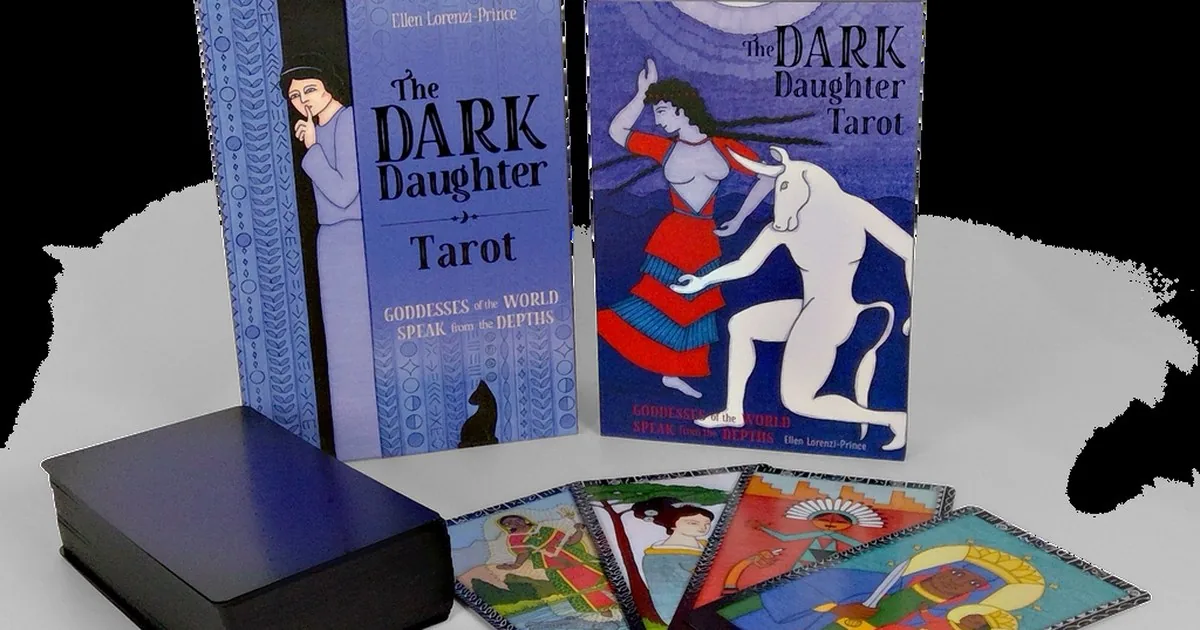
What Is Tarot: Not Divination, but a Tool for Self-Discovery
Many perceive tarot as a way to predict the future, but in reality it is much deeper. Tarot is a map of our psyche, a mirror that reflects our thoughts, feelings, and hidden motives. Each card is an archetype, a universal image that is understandable to every person. For example, the Empress is a symbol of fertility and care, while the Hermit represents wisdom and solitude. When we draw a card, we don't receive a ready-made answer, but rather a hint, a direction for reflection.
Why does tarot work? From a psychological perspective, tarot activates our subconscious through symbols. Carl Jung called this the "collective unconscious" — a layer of the psyche shared by all people, where archetypes reside. When we look at a card, our brain begins to search for connections between the symbol and our life situation, and often finds unexpected solutions. Magic for beginners from scratch in tarot is precisely the ability to listen to yourself, not to receive ready-made answers.
Practical step: before picking up the cards, sit down and think about what question you want to ask. Formulate it clearly. For example, not "What awaits me in love?", but "What do I need to understand about my relationships so they become more harmonious?" This approach makes tarot a tool for growth, not a way to escape responsibility.
How to Choose Your First Deck: Practical Tips
Choosing a deck is a very personal process. Many advise starting with the classic Rider-Waite deck, and this is indeed sensible. Its images are rich in symbols that are easy to read intuitively, and countless books have been written about it. But it's equally important that the deck "resonates" with you. If you feel that the images don't inspire you, look for another. There are decks in various styles: from minimalist to fantasy, from classic to author-designed.
Tip: hold the deck in your hands, feel its energy. If it evokes pleasant sensations, warmth, curiosity — that's your choice. Don't chase trends, trust your intuition. And remember: the deck shouldn't be "scary" or "mysterious" — it's simply a tool, like a brush for an artist. You can even make your own deck by printing images, but at first it's better to buy a ready-made one.
Also pay attention to the print quality and card size. They should be comfortable for shuffling. Some prefer mini-decks for travel, but for starters, standard size is better.
Structure of the Deck: Major and Minor Arcana
A tarot deck consists of 78 cards, divided into two large groups: the Major Arcana (22 cards) and the Minor Arcana (56 cards). The Major Arcana describe the main life themes and spiritual lessons. They begin with the Fool (0) and end with the World (XXI). Each card is a stage of the journey we go through in life. For example, the Fool is the beginning of the journey, the Lovers — choice, Death — transformation, and the World — completion of a cycle.
The Minor Arcana resemble playing cards: they are divided into four suits — Wands, Cups, Swords, and Pentacles. Each suit corresponds to an element and a sphere of life:
| Suit | Element | Sphere of Life |
|---|---|---|
| Wands | Fire | Energy, action, passion |
| Cups | Water | Emotions, relationships, intuition |
| Swords | Air | Thoughts, conflicts, decisions |
| Pentacles | Earth | Material matters, work, health |
In the Minor Arcana, there are numbered cards (from Ace to Ten) and court cards (Page, Knight, Queen, King). The numbered cards describe the development of a situation within a given sphere, while the court cards represent personality types or aspects of our own personality.
For beginners, it's important to remember that each card has several meanings: upright and reversed. The reversed meaning is often interpreted as weakened or opposite. But at first, you can do without reversed cards so as not to overload yourself.
How to Learn the Meanings of the Cards: Effective Methods
Learning tarot is not rote memorization, but gradual immersion. There are several proven methods:
- Daily card of the day: Every morning, draw one card and throughout the day observe how its energy manifests in events. In the evening, write down your observations. This develops your connection with the cards and intuition.
- Study by suits: First master one suit of the Minor Arcana, then another. Compare the meanings of Aces, Twos, etc. across different suits.
- Using keywords: For each card, compile a list of 3-5 keywords. For example, for the Three of Cups: friendship, celebration, abundance. This helps quickly recall the essence of the card.
- Meditation on a card: Choose a card and sit with it for a few minutes, examining the details. Ask yourself: "What do I see? What do I feel? What associations come up?" Write down your thoughts.
It's also useful to keep a tarot journal where you record your spreads, interpretations, and results. Over time, you'll notice how your interpretations become deeper and more accurate.
First Spreads: From Simple to Complex
Once you're comfortable with the meanings of the cards, you can move on to spreads. For beginners, simple layouts are ideal:
The "One Card" Spread
This is the simplest way to get advice or an answer to a question. Formulate your question, shuffle the deck, and draw one card. Think about how its meaning relates to your question. For example, on the question "How should I act in this situation?", the Six of Swords appears — perhaps it's worth sailing away from problems and looking at them from a distance.
The "Three Cards" Spread
This spread helps examine a situation in motion: past, present, future. Draw three cards and lay them out from left to right. The first — what led to the situation, the second — what is happening now, the third — where it's all heading if nothing changes.
The "Celtic Cross" Spread
This is a more complex 10-card spread that provides a deep analysis of a situation. But for beginners, it may be too confusing. It's better to master simple layouts first, then move on to this one.
It's important to remember: tarot does not predetermine fate. The cards show probabilities and tendencies, but you always have free choice. A spread is an invitation to reflect, not a verdict.
Typical Mistakes of Beginners and How to Avoid Them
Beginners often make the same mistakes. Here are some of them:
| Mistake | Why It's Not So | How to Do It Right |
|---|---|---|
| Asking the cards about specific dates | Tarot shows energies, not exact events. Predicting dates is an illusion. | Formulate questions like "what do I need to know?" or "how should I act?" |
| Fearing "bad" cards | Cards are neither bad nor good. They merely reflect aspects of life. | Perceive challenging cards as a challenge or warning, not as a curse. |
| Using tarot for every little thing | Frequent use of the cards creates dependency and diminishes their value. | Turn to tarot for important questions when you truly need clarity. |
Also, don't rely on tarot for health issues, financial investments, or legal decisions — these require professionals. Tarot is a tool for self-discovery, not a substitute for common sense.
How to Develop Intuition with Tarot
Intuition is a key skill in working with tarot. Anyone can develop it with regular practice. Here are a few exercises:
- Guessing the suit: Take the deck and try to guess the suit of a card without looking. At first, it may be chance, but over time you'll begin to feel the energy of each suit.
- Intuitive reading: Draw a card and, before recalling its meaning, describe what you see and feel. What details stand out? What associations come up? This develops your personal connection with the symbols.
- Meditation on a blank card: Imagine a blank card in front of you, and in your imagination fill it with an image that comes naturally. This exercise helps open the inner flow of imagery.
Remember that intuition is not a mystical gift, but the ability to notice subtle signals. The more you practice, the better you hear your inner voice.
Tarot and Magic for Beginners from Scratch: Ethics and Safety
Many beginners wonder whether working with tarot is dangerous. In reality, tarot is a safe tool if approached with respect. But there are a few rules:
- Do not use tarot to manipulate other people. For example, don't try to "cast a love spell" on someone or learn others' secrets without permission.
- Do not do spreads in a state of severe stress or alcohol intoxication — this will distort your interpretations.
- Respect your deck: store it in a special pouch or box, don't give it to others without permission.
- Don't become too attached to the cards. Tarot is a tool, not an idol. If you feel the deck is "not yours," you can change it.
It's also important to remember that tarot is not a substitute for professional psychological help. If you're going through serious emotional difficulties, it's better to consult a specialist.
Practice with Reversed Cards: When and How
Reversed cards often scare beginners, but in reality they add depth to interpretation. Once you're comfortable with upright meanings, you can start incorporating reversed ones. Here are a few approaches:
- Weakened meaning: A reversed card may mean that the card's energy is manifested weakly or is in deficit. For example, reversed Strength may speak of self-doubt.
- Opposite meaning: Sometimes a reversed card points to the opposite quality. For example, reversed Lovers may mean disharmony in relationships.
- Inner aspect: A reversed card may indicate that the card's energy is directed inward rather than outward. For example, reversed Hermit may speak of social isolation.
To practice, draw a card and interpret it as upright, then think about how the meaning would change if it were reversed. Write down your thoughts in your journal.
Tarot in Everyday Life: How to Ask Questions
Tarot can become a reliable helper in everyday situations if you formulate questions correctly. Here are a few examples:
| Situation | Reactive Approach | Conscious Practice | Result |
|---|---|---|---|
| Conflict with a colleague | "Who's to blame?" | "What can I do to improve the situation?" | You get concrete advice, not accusations. |
| Doubts about career choice | "What job suits me?" | "What strengths of mine can I develop?" | You focus on your resources, not on searching for a ready answer. |
| Relationship problems | "What does he/she feel?" | "What can I do to strengthen our relationship?" | You take responsibility for yourself rather than shifting it onto another. |
This way of framing questions makes tarot a tool for personal growth, not passive divination.
Creating a Personal Connection with the Deck: Rituals and Tuning
Many practitioners recommend "getting acquainted" with a new deck to establish a connection with it. Here are a few simple rituals:
- Cleansing the deck: Hold the deck in your hands, close your eyes, and imagine light passing through it, cleansing it of foreign energy. You can smudge it with incense or place it on a windowsill overnight under moonlight.
- Meditation with the deck: Sit in a quiet place, place the deck in front of you, and simply look at it for a few minutes. Allow images to arise in your mind.
- First spread: Do a simple "Introduction" spread: draw three cards that symbolize your past, present, and future in working with tarot. Write down your impressions.
These rituals help you tune into the work and create a sense of partnership with the deck. But remember, the most important thing is your intention and respect.
Deepening Your Practice: Studying Symbolism and Numerology
Once you've mastered the basic meanings, you can delve deeper into the study of symbolism. Each card contains many details: colors, numbers, symbols. For example, the Chariot card depicts sphinxes with black and white faces, symbolizing opposites that need to be reconciled. The numbers on the cards also carry meaning: one is a beginning, two is choice, three is growth, and so on.
Numerology in tarot is a separate field. It allows you to understand why cards with the same numbers share a common theme. For example, all Threes are connected with growth, cooperation, and joy. Studying numerology will help you memorize meanings faster and see connections between cards.
To deepen your practice, you can also study astrology and Kabbalah, which are closely connected to tarot. But don't rush — immerse yourself gradually so as not to overload yourself.
The "Card of the Day" Practice as a Daily Ritual
One of the best ways to strengthen your connection with tarot is the daily "Card of the Day" practice. Here's how to do it:
- Every morning, draw one card from the deck.
- Look at it and think about what it might mean for you today.
- Write in your journal: the card's number, its name, and your first impression.
- Throughout the day, pay attention to events that may be connected to the card.
- In the evening, write down how the card manifested.
This practice develops observation and intuition. After a few weeks, you'll notice that your interpretations become more accurate and your connection with the deck grows stronger.
Now that you know the basics of tarot, you can begin your journey. Remember that tarot is not just divination, but a way to better know yourself. Practice, be patient, and trust your intuition.
Your First Step into the World of Tarot
Tarot is not magic that solves problems for you, nor is it a frightening ritual that can bring misfortune. It is a mirror in which you can see your thoughts, feelings, and hidden motives. When you begin working with the cards, it's like turning on a light in the dark room of your own soul. And this light helps you make conscious decisions, better understand yourself and those around you.
We at EXETERIC practices are confident: esotericism is not an escape from reality, but a way to become its creator. Tarot is one of the most accessible and profound tools for this. There's no need to fear complex symbols or "scary" cards — each one merely reflects one or another facet of life. And the more you practice, the clearer you see that the cards don't predict fate, but help you build it.
If you feel ready to go deeper, check out other practices in the EXETERIC blog — there you'll find materials on meditation, runes, astrology, and other directions that will help expand your esoteric horizons. And perhaps you'll be interested in the astrology section, where you can learn more about your zodiac sign and its influence on your life.
The main thing is to remember: your path in tarot is unique. Don't compare yourself to others, don't chase quick results. Practice regularly, keep a journal, trust your intuition. And don't forget that tarot is not an instruction manual, but a dialogue. A dialogue with yourself, with the world, and with something greater than you.
Start small: take the deck, sit in a quiet place, and simply look at the cards. Allow them to speak to you. And soon you'll feel how the world of tarot becomes your faithful companion on the journey to self-discovery. Don't fear the unknown — understand it calmly, step by step. Good luck on this amazing path!
Frequently Asked Questions
Do I need a special gift to learn how to read tarot?
No, working with tarot does not require a special gift or supernatural abilities. Tarot is a tool that anyone willing to learn and practice can master. The main thing is your desire to understand yourself and the world around you, as well as the ability to listen to your intuition. At the initial stage, it's important to learn the meanings of the cards, and then gradually develop your own associations and feelings. Practice is the key to success: the more you work with the deck, the better you begin to feel its energy and the more accurately you interpret spreads.
How often can I read tarot?
The frequency of turning to tarot depends on your personal preferences and goals. Some practitioners recommend drawing a card of the day every morning to tune into events and develop intuition. For more serious questions, you can do spreads once a week or as needed. However, it's important not to fall into dependency: if you start asking the cards about every little thing, it diminishes the value of the practice. It's better to turn to tarot when you truly need clarity or advice. Remember that the cards are a helper, not a replacement for your own reason.
Is it dangerous to use tarot?
Tarot itself is not dangerous — it's just cardboard cards with symbolic images. Danger can only arise from a wrong approach: for example, if a person uses tarot to manipulate others, intimidate, or treats spreads as a fatal verdict. Also, you shouldn't turn to tarot in a state of severe stress, alcohol, or drug intoxication, as this distorts perception. It's important to remember that tarot is a tool for self-discovery, not a prediction of inevitable fate. Treat it with respect and common sense — and it will become your faithful helper.
Which deck should a beginner choose?
For beginners, the classic Rider-Waite deck is the best choice. It's considered universal because its images contain many symbols that are easy to interpret intuitively. Moreover, a huge number of books and guides have been written about it, which makes learning easier. However, the main criterion is your personal connection with the deck. Hold it in your hands, look at the pictures: if they evoke a response, warmth, or curiosity in you, then it's your choice. Don't chase trendy designs, trust your feelings. Also, make sure the deck is comfortable to shuffle and pleasant to work with.