How to read tarot: a technique for beginners
Where to Begin: Choosing a Deck and Setting Your Intention
The first step in learning how to read tarot is choosing a deck. Don't grab the first one you see or the one that looks prettiest in the picture. Listen to yourself: which deck resonates with you? The classic is Rider-Waite — its symbolism is intuitively clear even to a beginner. But there are others: Thoth Tarot, Marseille Tarot, and author decks with unique imagery. If you're just starting out, choose a deck where the minor arcana cards have narrative scenes rather than just wands and cups — this makes it easier to read the meanings.
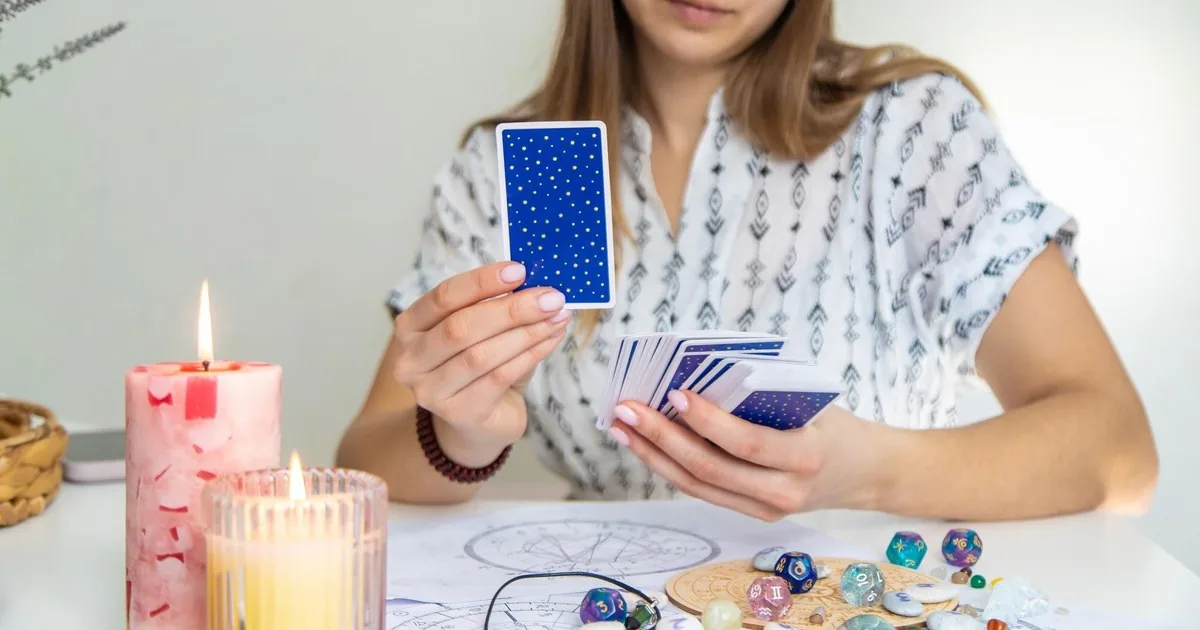
Once the deck is in your hands, it's important to set your intention. Create a calm environment: dim the lights, light a candle, put away your phone. Some people like to cleanse the deck beforehand — hold it in their hands, breathe on it, tap it. This isn't a ritual but a way to establish a connection. Your intention is to receive an honest answer, not to be entertained. Formulate your question clearly: "What do I need to know about my career?" instead of "Will I be rich?" This way, you'll get a more useful answer.
Remember that tarot is not magic but a tool for self-discovery. The cards reflect your subconscious and the energy of the moment. So don't be afraid to make mistakes: intuition develops with practice. Start with simple one-card spreads, then move on to three or more.
How to Properly Shuffle and Draw Cards
The shuffling technique is an important part of how to read tarot. There are several methods, and they all work. You can shuffle the deck like regular playing cards, or you can fan them out and choose at random. The key is to do it mindfully, thinking about your question. Some practitioners advise shuffling with your left hand because it's closer to the heart and intuition. But this isn't mandatory — listen to yourself.
As you shuffle, ask your question mentally or out loud. If cards fall from your hands or flip over, this could be a sign, but don't take it fanatically. Just continue. After shuffling, cut a portion of the deck toward yourself with your left hand — this is a symbolic gesture representing acceptance of the answer. Then draw cards either from the top, from the fan, or one by one from the deck — whichever feels comfortable.
If you're reading for another person, ask them to hold the deck or think about their question. This helps tune into their energy. For yourself, you can simply focus. There is no "right" way — only your personal ritual that works.
Spreads for Beginners: From Simple to Complex
Once you've mastered drawing cards, it's time to learn spreads. For beginners, the "Card of the Day" is ideal: draw one card in the morning and think about how it relates to your day. This develops daily practice and understanding of symbols. Within a week, you'll notice the cards starting to speak to you.
The next step is the three-card "Past-Present-Future" spread. It's simple and informative. Lay out three cards from left to right: the first is the past, the second is the present, the third is the future. Interpret them in the context of your question. For example, a question about relationships: past — what lessons you've learned, present — what's happening now, future — where the situation is heading.
A deeper spread is the "Celtic Cross" with 10 cards. It gives a complete picture of the situation, but it can be challenging for a beginner. Start small and gradually increase complexity. Remember: even in a simple spread, cards can reveal a lot if you're attentive.
Understanding Card Meanings: Archetypes and Symbolism
How to read tarot without knowing the meanings? Many beginners are intimidated by the need to memorize 78 cards. But in reality, it's enough to understand the logic. The major arcana represent the hero's journey, the main life lessons. The minor arcana are everyday situations, divided into four elements: wands (fire), cups (water), swords (air), and pentacles (earth).
Each card has a traditional meaning, but it's also important to look at the image and feel it. For example, the Three of Cups is celebration, friendship, joy. But in the context of a work question, it might mean team success. Use your intuition: what do you see on the card? What emotions does it evoke? Combine this with the meaning.
For practice, you can keep a journal: write down the card, the question, and your associations. Over time, you'll develop your own language of symbols. Don't rely only on books — they provide a foundation, but your connection with the deck is unique.
Interpreting Cards in a Spread: Interaction and Intuition
Cards in a spread don't exist in isolation — they interact. When interpreting, pay attention to neighboring cards: they can amplify or soften a meaning. For example, the Tower next to the Three of Cups might suggest a sudden celebration after a crisis or the destruction of a friendship. It all depends on the question and context.
Another key is card position: a reversed card changes the meaning. But not everyone uses reversals, and that's fine. If you don't want to account for them, simply turn cards upright. If you do use them, remember: a reversed card often indicates a blockage, delay, or an internal aspect.
Intuition is the tarot reader's main tool. The more practice you have, the stronger it becomes. Don't be afraid to make mistakes: even experienced masters sometimes interpret differently. Trust your first impression, then go deeper.
Common Beginner Mistakes and How to Avoid Them
Many beginners think that tarot card reading can only be done on special days or after complex rituals. This isn't true. Tarot is a tool available to everyone. A mistake is asking the same question repeatedly, hoping for a different answer. Cards show the probable course of events under the current circumstances, but the future can be changed.
Another mistake is fearing "bad" cards. Death, the Devil, the Tower are frightening. But Death is transformation, the end of the old, not physical death. The Devil is attachments, addictions, but also awareness of the shadow side. The Tower is the destruction of illusions, liberation. Perceive cards as hints, not verdicts.
Finally, don't read when you're emotionally unstable or too biased. This will distort the answer. It's better to postpone the reading until a calmer moment. And don't try to predict exact dates and events — tarot speaks of tendencies and energies.
The "One Card a Day" Technique: A Simple Way to Practice Daily
This technique is ideal for beginners who want to learn how to read tarot. Every morning, you draw one card and observe throughout the day how its energy manifests. This develops attentiveness and connection with the deck. For example, if the Five of Pentacles appears, pay attention to feelings of lack or, conversely, to help from others.
In the evening, write down your observations: what happened, what you felt. After a month, you'll see patterns and learn to understand the cards better. This will also help you with more complex spreads because you'll have accumulated personal experience.
Don't overcomplicate it: draw a card, look at it, think about what it might mean for your day. Use books or intuition. The key is consistency. Over time, you'll notice the cards becoming your ally in self-discovery.
Tarot Is a Dialogue with Yourself
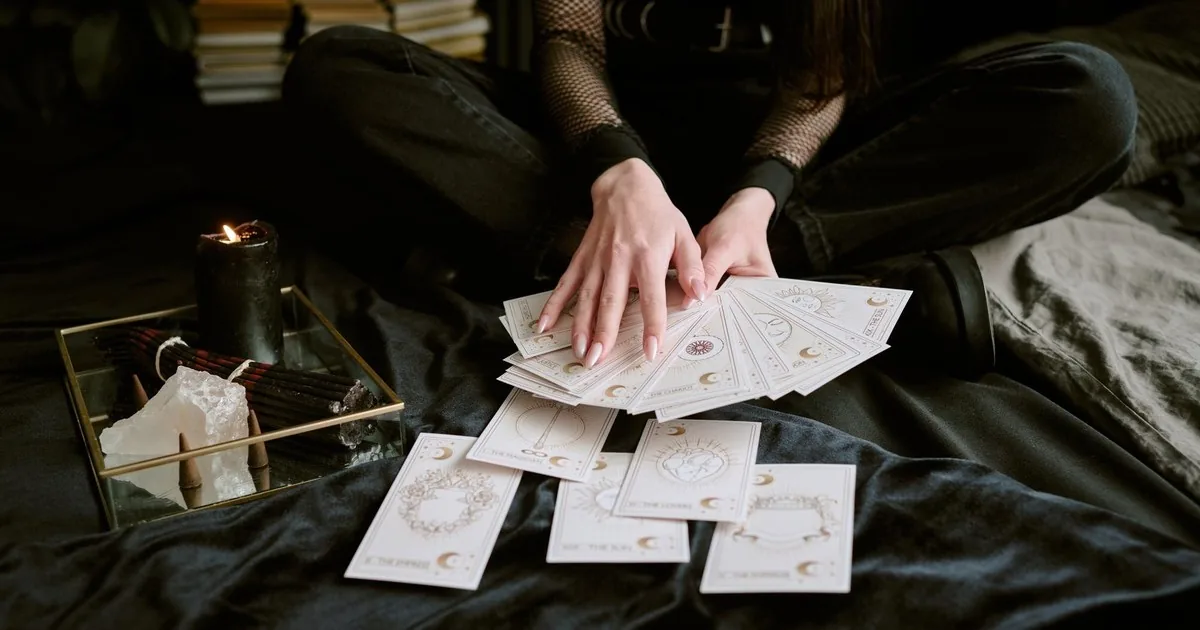
When you first pick up a deck, it might seem like you're holding an ancient mystical system accessible only to the chosen few. But in reality, tarot is not magic or fate prediction — it's a mirror reflecting your thoughts, feelings, and deep-seated beliefs. Cards don't dictate destiny; they help you see the hidden patterns of your life and become aware of what's already growing within you. So don't fear "scary" arcana and don't expect fatal prophecies — instead, listen to what resonances the images evoke.
Start with simple spreads, trust your intuition, and don't rush to memorize all the meanings at once. Each card is an archetype that can be explored endlessly. Over time, you'll develop your own language of symbols, and the deck will become your personal advisor. Practice is the key to mastery: the more often you read, the more attuned you become. But remember that tarot is just a tool, and responsibility for decisions always lies with you. It doesn't replace common sense — it complements it.
Esotericism in the broad sense is a path to self-knowledge, and tarot is one of its trails. If you feel interest in this topic, don't stop at what you've achieved. Draw inspiration from the practices of EXETERIC, explore different approaches, and find what resonates personally with you. Don't be afraid to ask questions and seek answers — that's what conscious living is all about. And when you feel ready to expand your horizons, check out other articles on magic and self-discovery on our portal — you'll find plenty of useful and inspiring content there.
And remember: tarot is neither a panacea nor a toy. It's a way to better understand yourself, your desires, and your fears. Approach it with respect and an open heart, and it will reciprocate. Try to practice calmly and mindfully, without haste or expectation of miracles. Perhaps you'll discover a new perspective on familiar things. And if you'd like to learn how the stars influence your character, check out the astrology section and find your zodiac sign. May this path be fascinating and wise for you.
Frequently Asked Questions
Can I read tarot for myself?
Yes, reading tarot for yourself is possible and even beneficial, but with caution. When you read for yourself, you more easily sink into your emotions and expectations, which can distort the interpretation. That's why it's important to remain calm and impartial. Ask clear questions and try not to read on a troubling topic multiple times in one day — this will cause confusion. To reduce subjectivity, you can write down interpretations and return to them later when emotions have settled. With practice, you'll learn to separate your biases and get more honest answers.
What should I do if "scary" cards appear in a spread?
If cards commonly considered negative appear in a spread — such as Death, the Tower, or the Devil — don't panic. In tarot, there are no absolutely bad cards; they point to important processes of transformation and liberation. Death symbolizes the end of one stage and the beginning of another, the Tower is the destruction of illusions, and the Devil represents addiction but also the opportunity to become aware of your shadow side. Perceive these cards as hints that changes are brewing in your life — changes that may be painful but are ultimately necessary for growth. Think about which aspects of your life require change, and use this knowledge for self-discovery.
How often can I read on the same question?
It's not recommended to ask the same question more than once or twice a month. When you repeat a question, the cards may show the same tendency, but you'll be inclined to interpret them in a favorable light, which distorts the answer. It's better to give the situation time to develop and return to the question when something has changed. If you feel an obsessive need to read again and again, this may indicate anxiety or insecurity. Instead, try to sort through your feelings or ask a different, more specific question about the same aspect of life.
Do I need to cleanse a tarot deck before first use?
Many practitioners recommend cleansing a new deck before starting work to remove foreign energies and establish a connection with it. Simple methods include holding the deck in your hands for a few minutes, stroking each card, breathing on it, or placing it under your pillow overnight. Some use incense smoke or place the deck on a crystal. The key is to do this with the intention of tuning in for work. However, this is not a strict ritual but a personal choice. If you feel the deck is already "yours," you can start right away. What matters is that you feel comfortable and trusting toward the deck.